“A photograph is just raw material,” Singh says, “it needs a structure, a housing, an architecture. A form best suited to experiencing the image.” The book had always been Singh’s primary form but, in the case of Museum Bhavan, this architecture materialized first as a family of ‘museums’ and only later as a book.
Museum Bhavan (wooden structures)
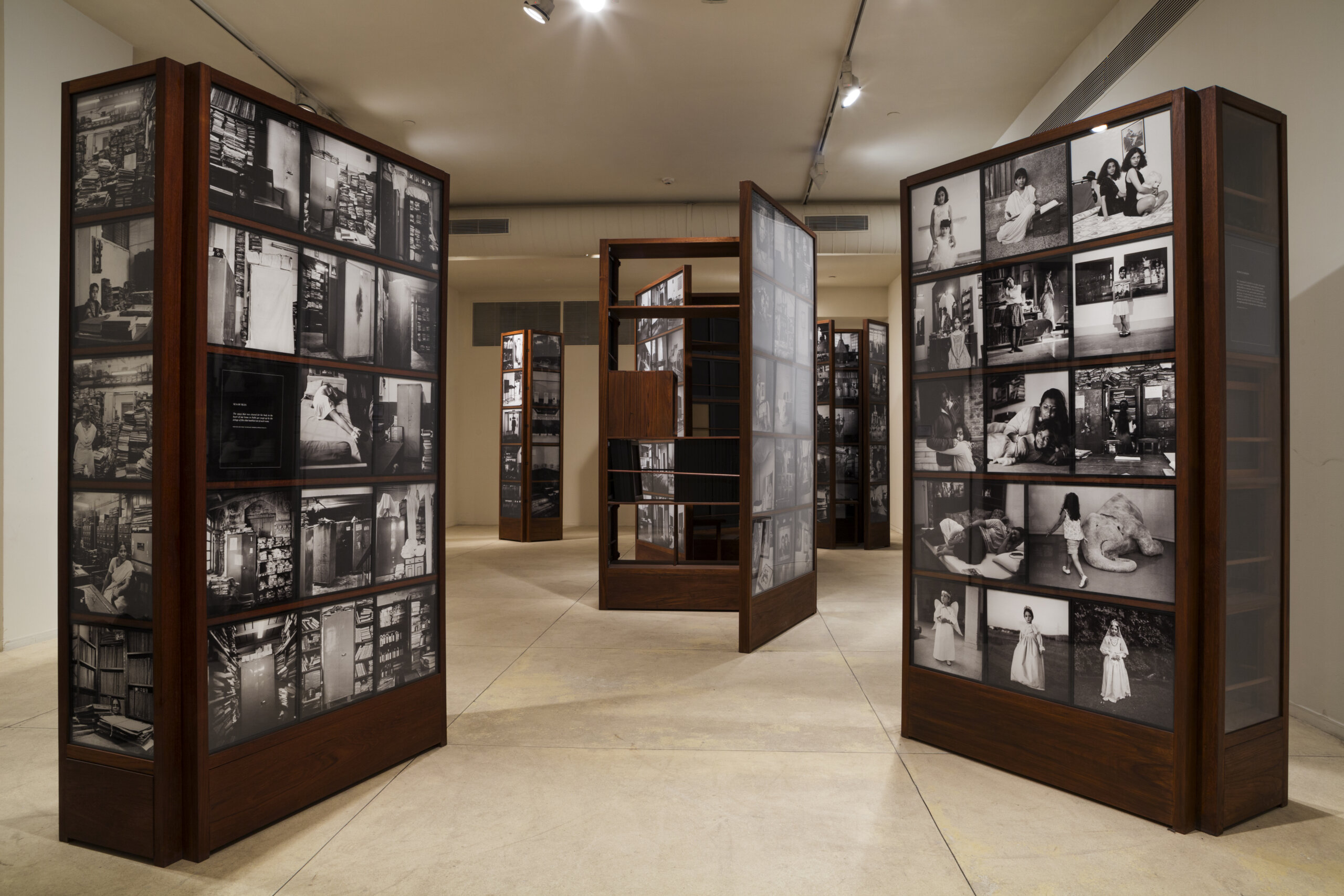
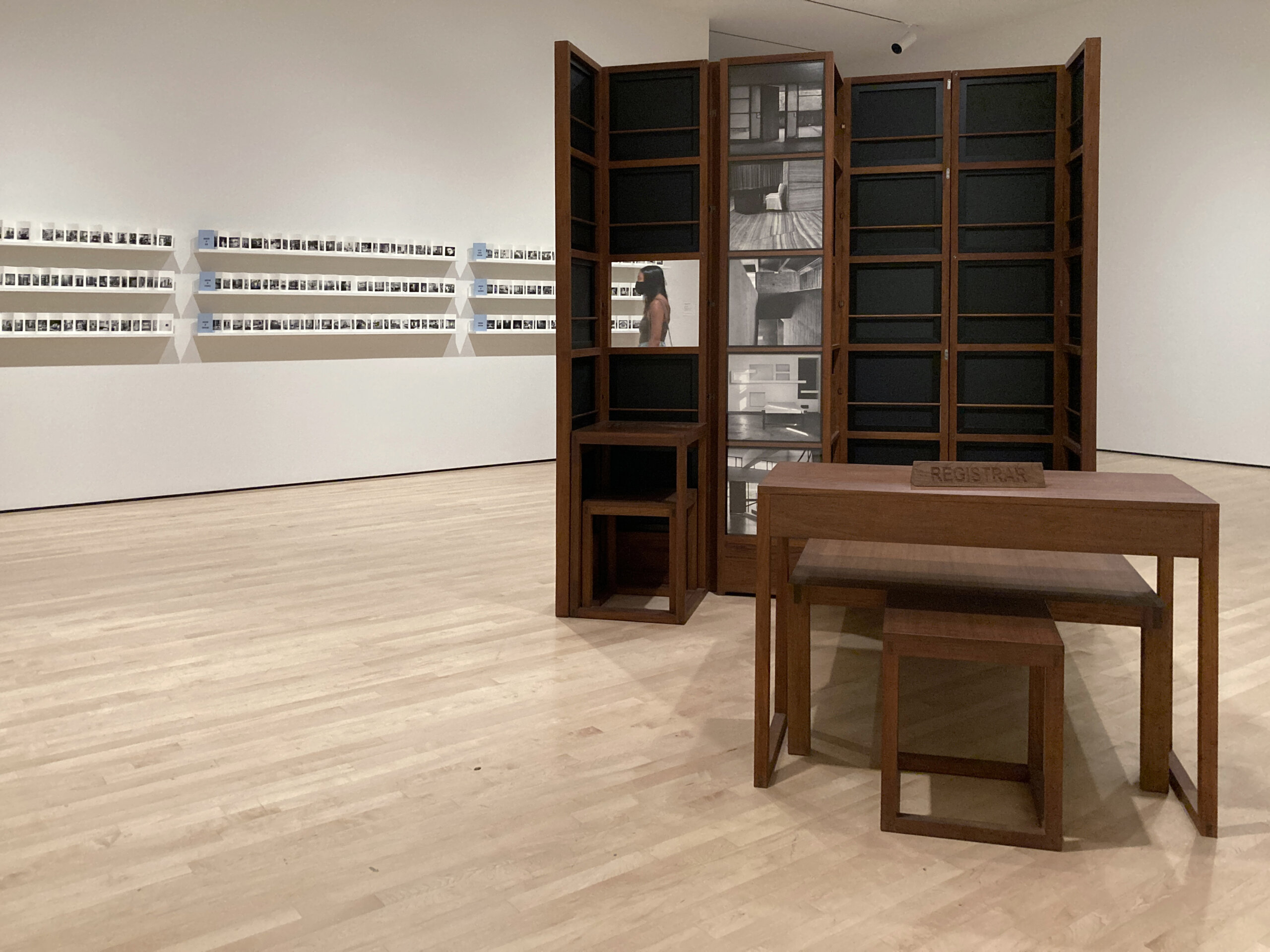
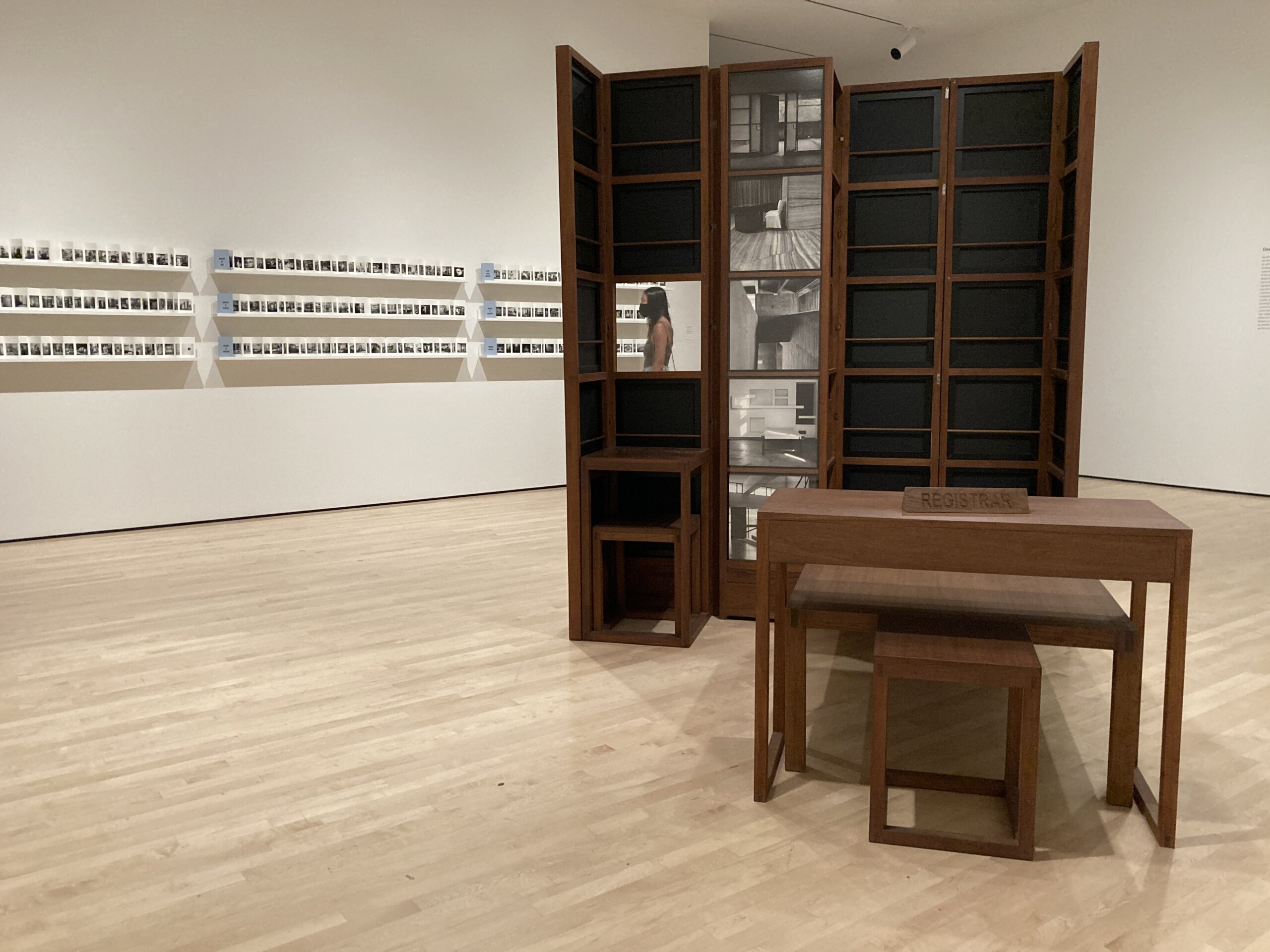
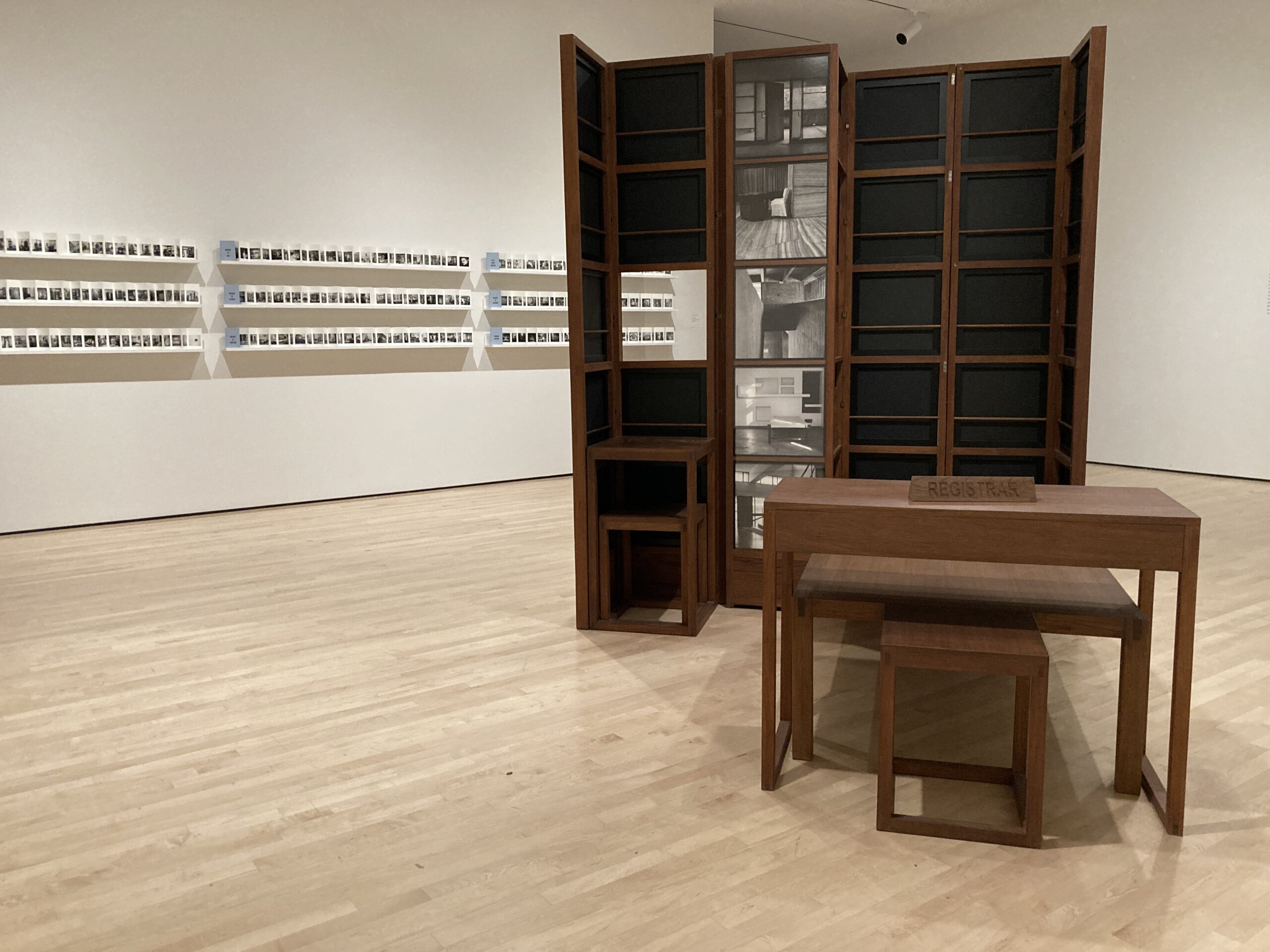
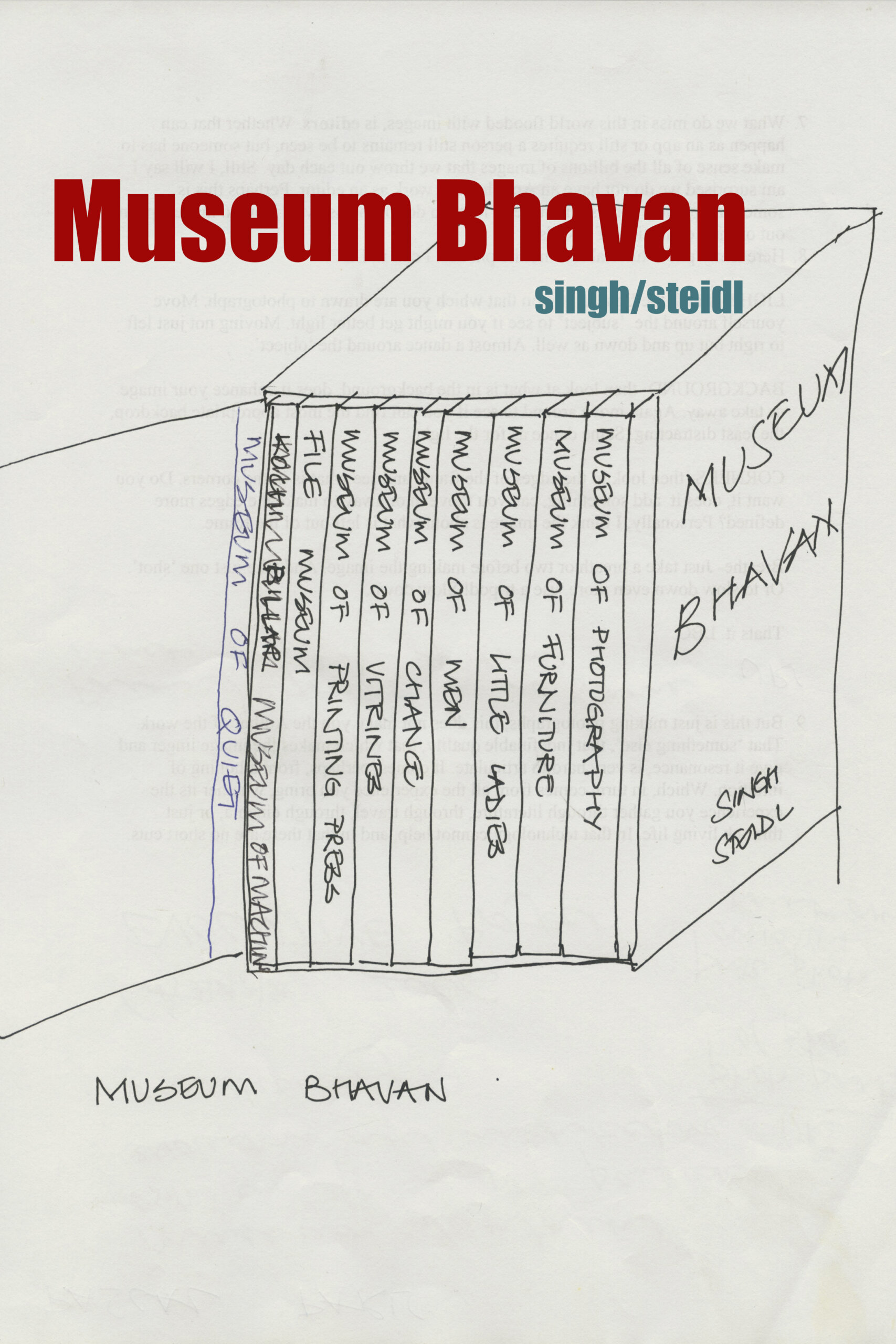
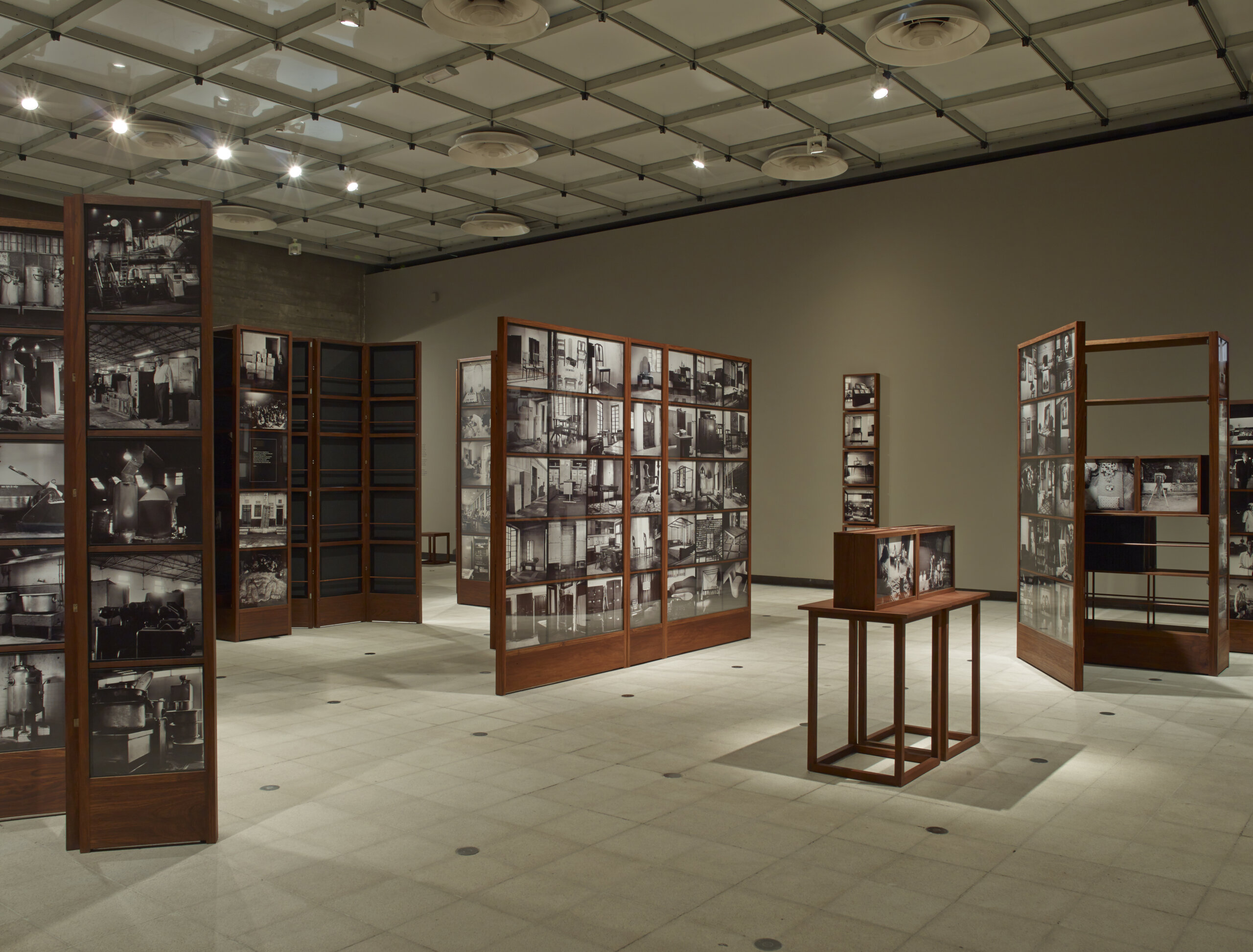
Museum Bhavan is a travelling family of nine ‘museums’ built by Singh. Each museum holds a collection of old and new images drawn from her photographic oeuvre encased in mobile wooden structures that range from 6 to 8 feet in height. The images can either be exhibited on the exterior of the wooden structure or kept in storage within. The nine museums in Museum Bhavan are: ‘File Museum,’ ‘Little Ladies Museum,’ ‘Museum of Furniture,’ ‘Museum of Vitrines,’ ‘Museum of Photography,’ ‘Museum of Men,’ ‘Museum of Machines,’ ‘The Printing Press Museum’ and ‘Museum of Chance.’ The museums are built to allow for quick changes in their images and to change the architecture of the space they are installed in. They come with their own boxes, tables, stools and benches. Combining display and storage, inside and outside, image and structure, Museum Bhavan compels viewers to engage with the physical experience of moving among the arrangements of images in the exhibition space.
The early museums of Museum Bhavan looked very much like colossal upright hardbacks and Singh would often leave their wings ajar to re-emphasize their shape as open books.
‘Museum of Chance’, however, has a slightly different architecture. At 8 feet, it is more monumental in scale, with wings that open outward from the central storage spine, fanning out like pages from Singh’s accordion-fold books. The structure of ‘Museum of Chance’ is inspired directly by Singh’s book Sent a Letter (2008), which has a box for storage (akin to the museum’s central pillar) and accordion-fold books that become exhibitions when they are unfurled (like the museum’s hinged panels).
Singh had always imagined that her apartment would turn into a permanent home for all nine museums in ‘Museum Bhavan’. She had envisioned that visitors could make appointments to see the work and had even planned an archivist-in-residence programme, appointed a board of trustees and devised a seminar on nano museums. But, to Singh’s surprise, international art institutions began to express interest in acquiring individual museums. Singh realized that ‘Museum Bhavan’ would scatter and no longer exist as a whole, under one roof. Distressed at the thought, she looked for a way to keep the museums together.
The solution came, as always, in the form of a book: 2017’s Museum Bhavan.
Museum Bhavan (accordion-folded Book)
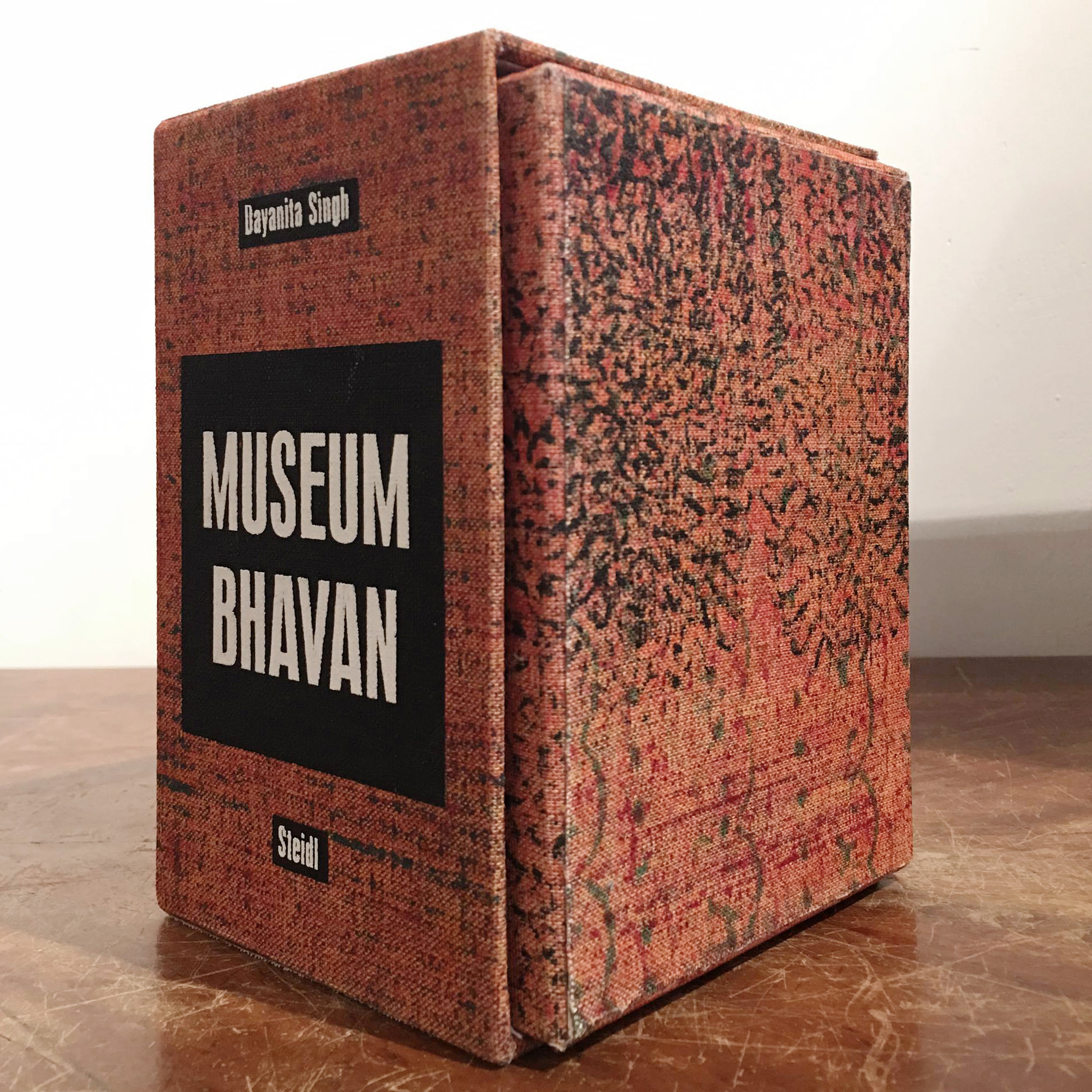
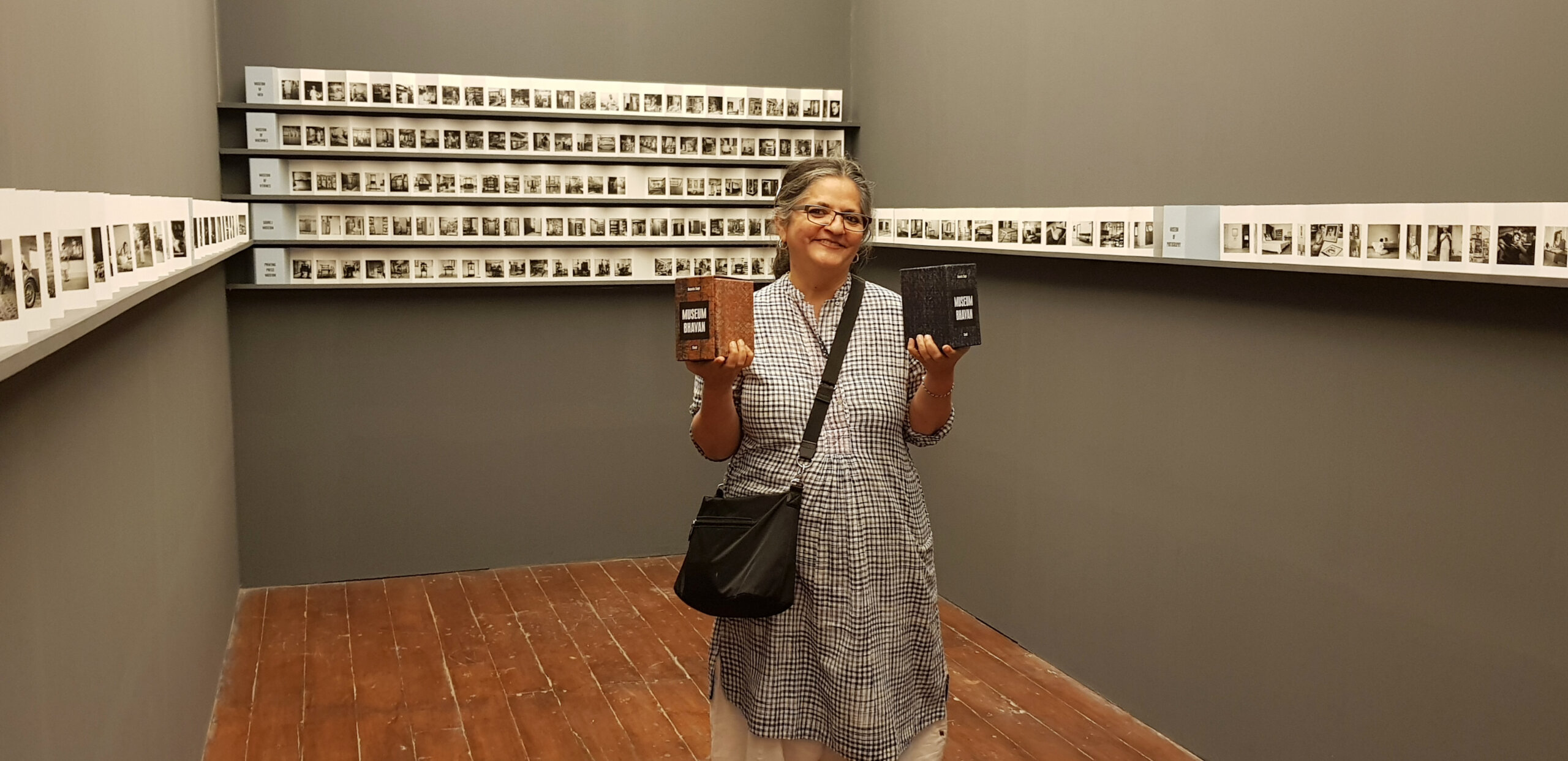
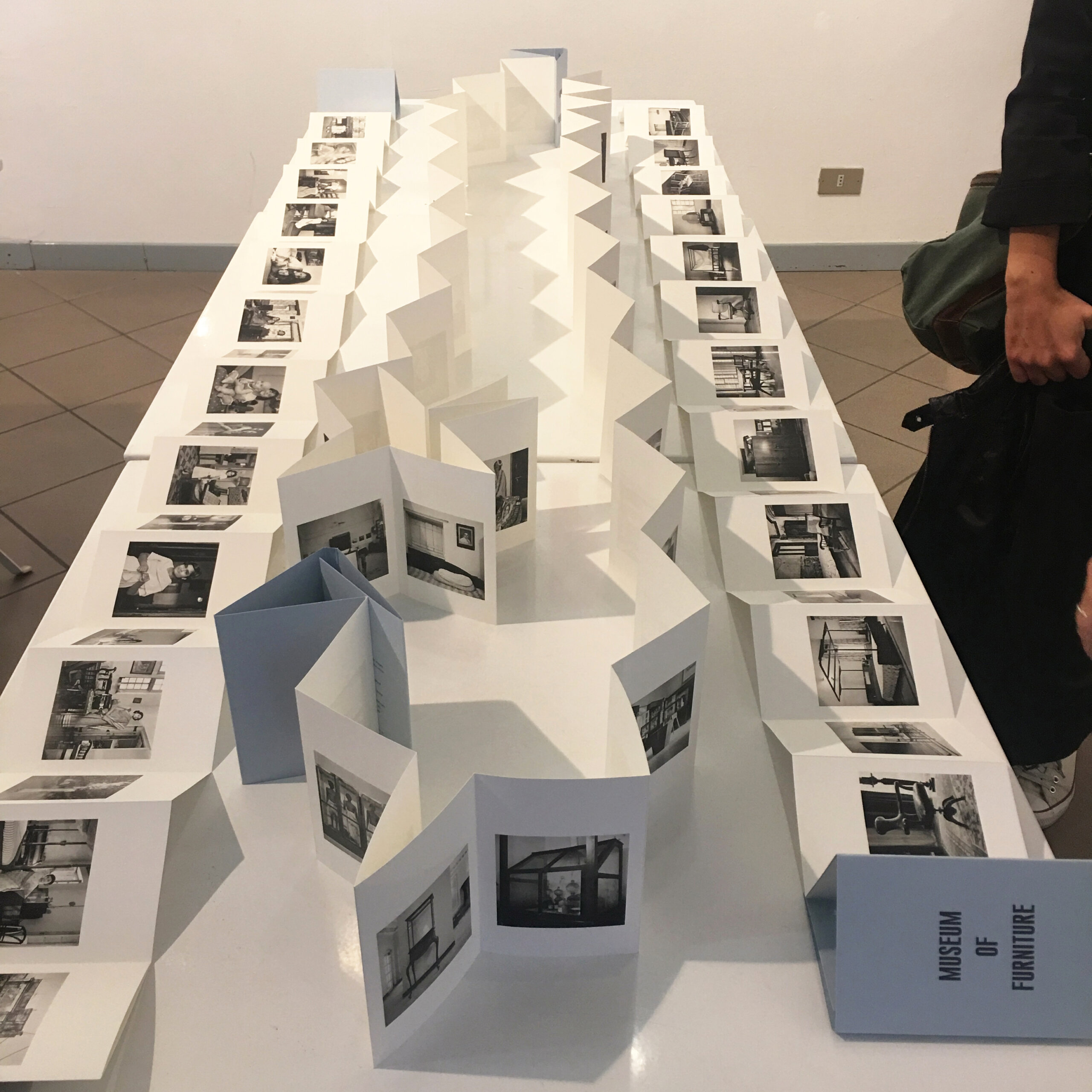
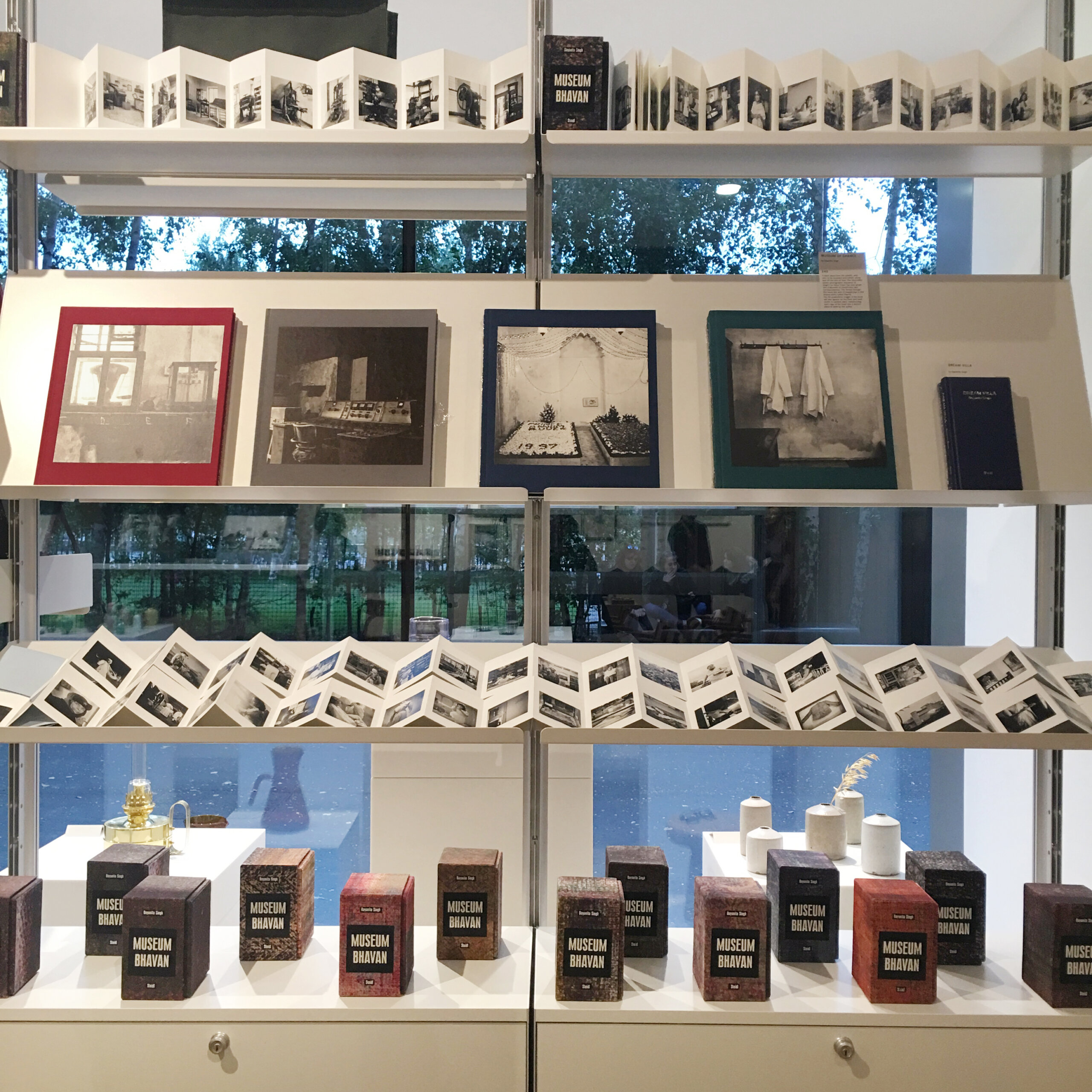
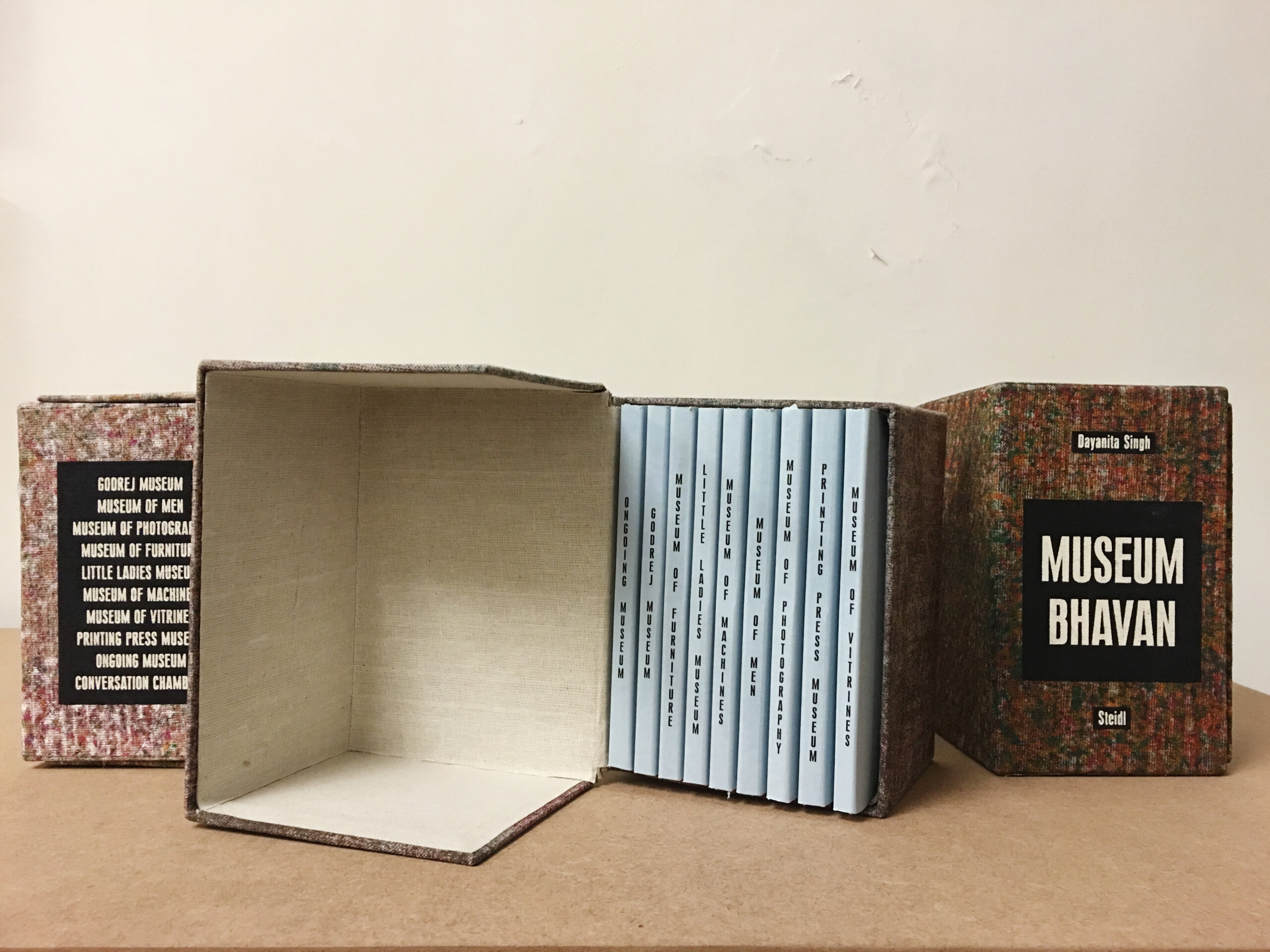
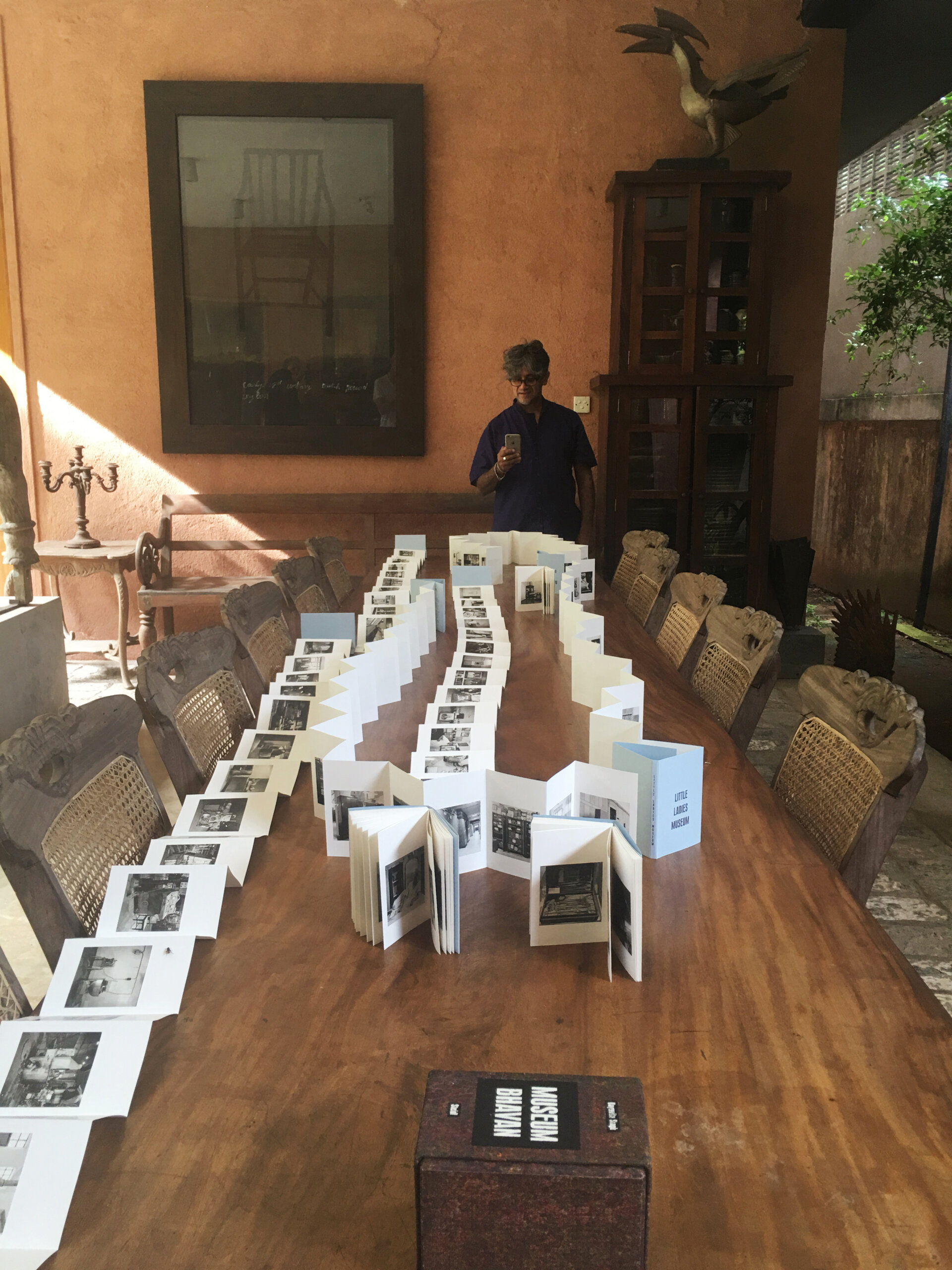
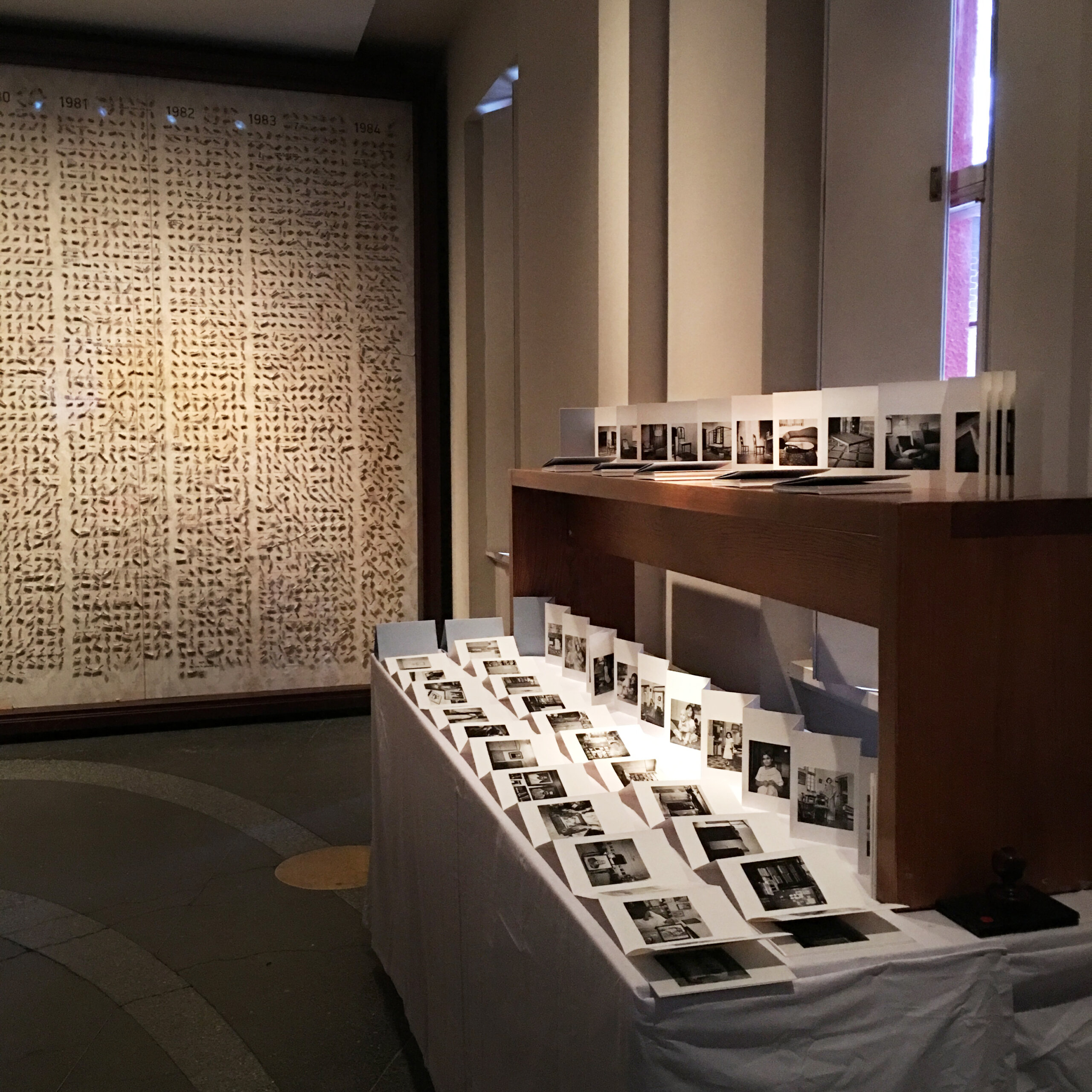
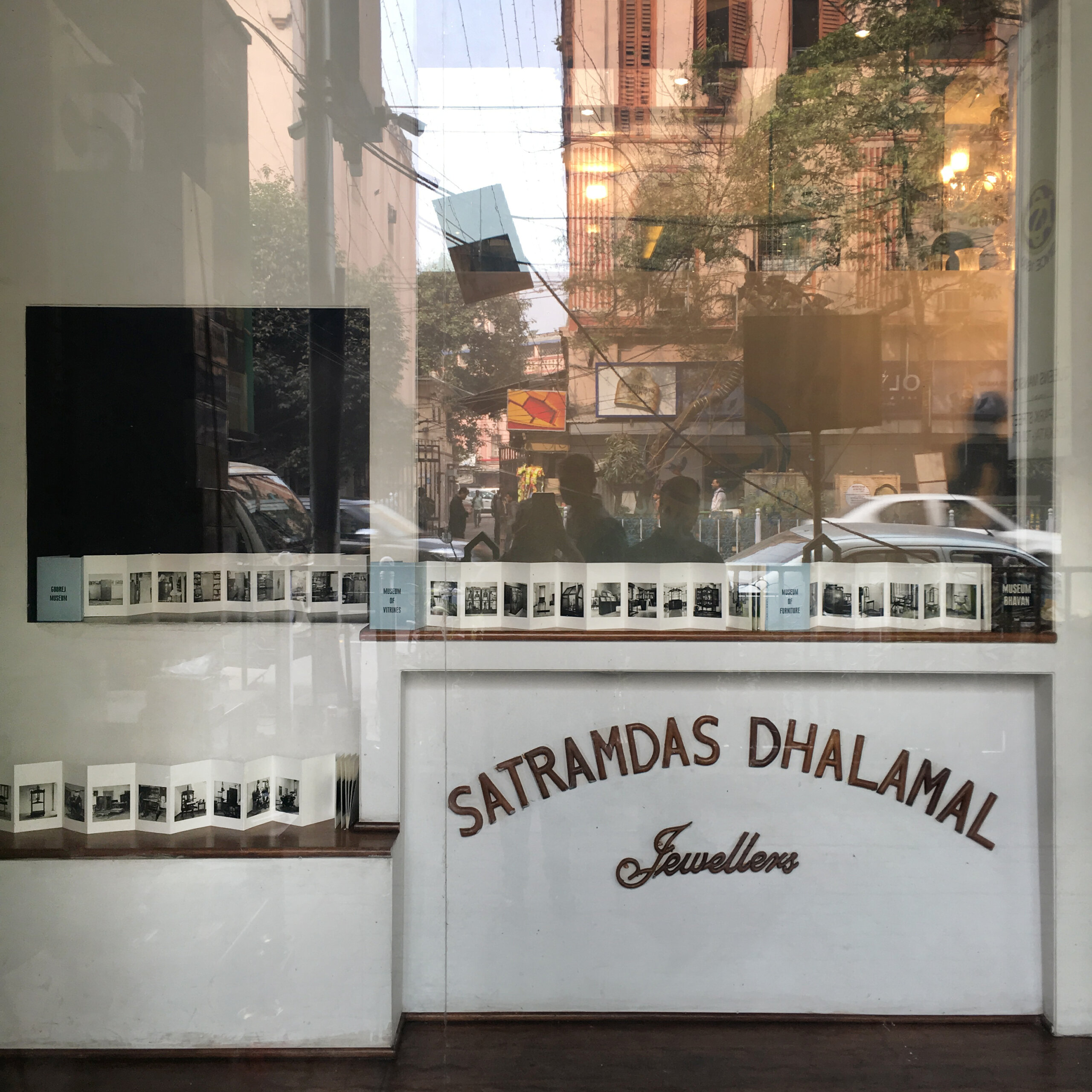
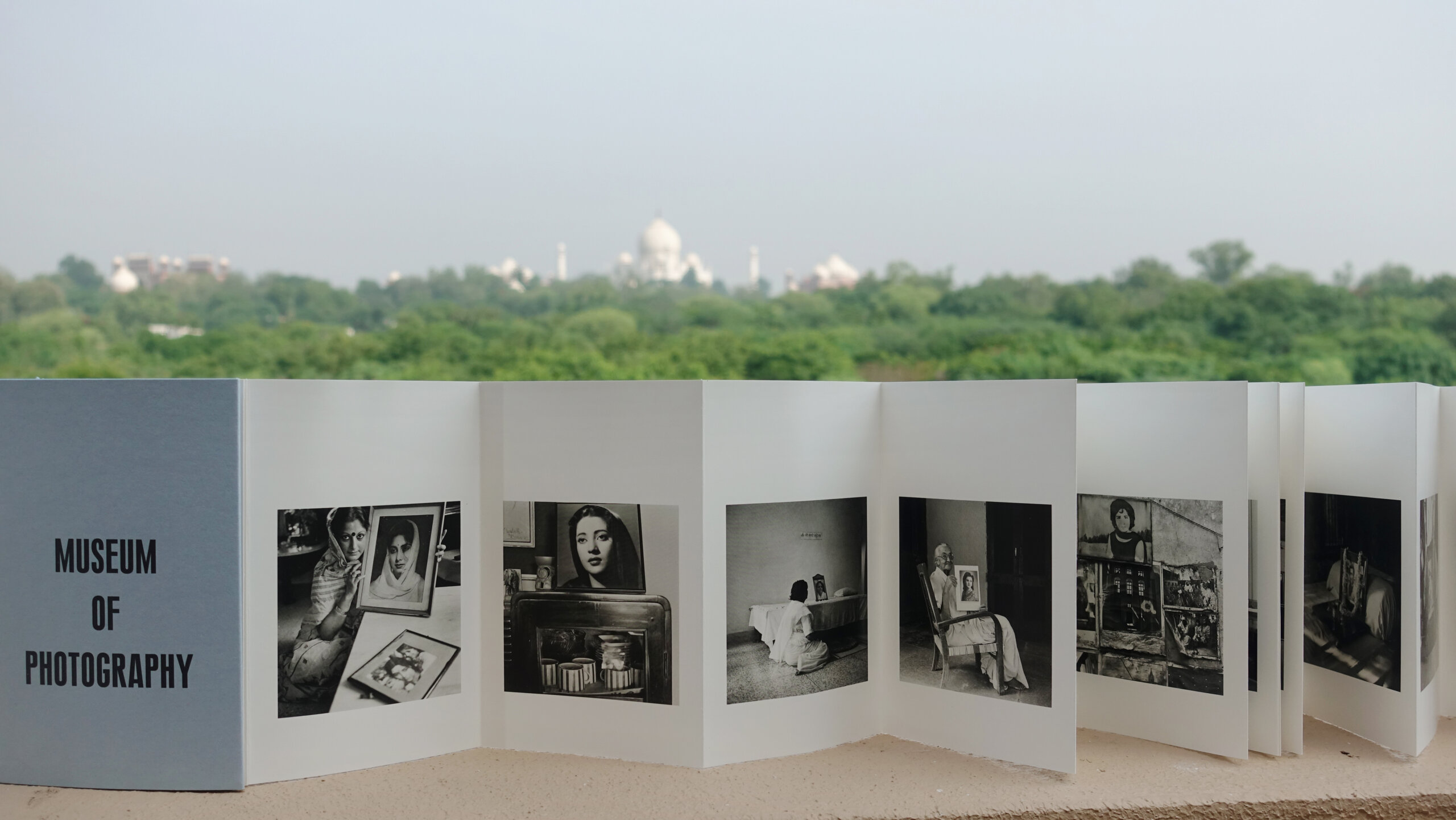
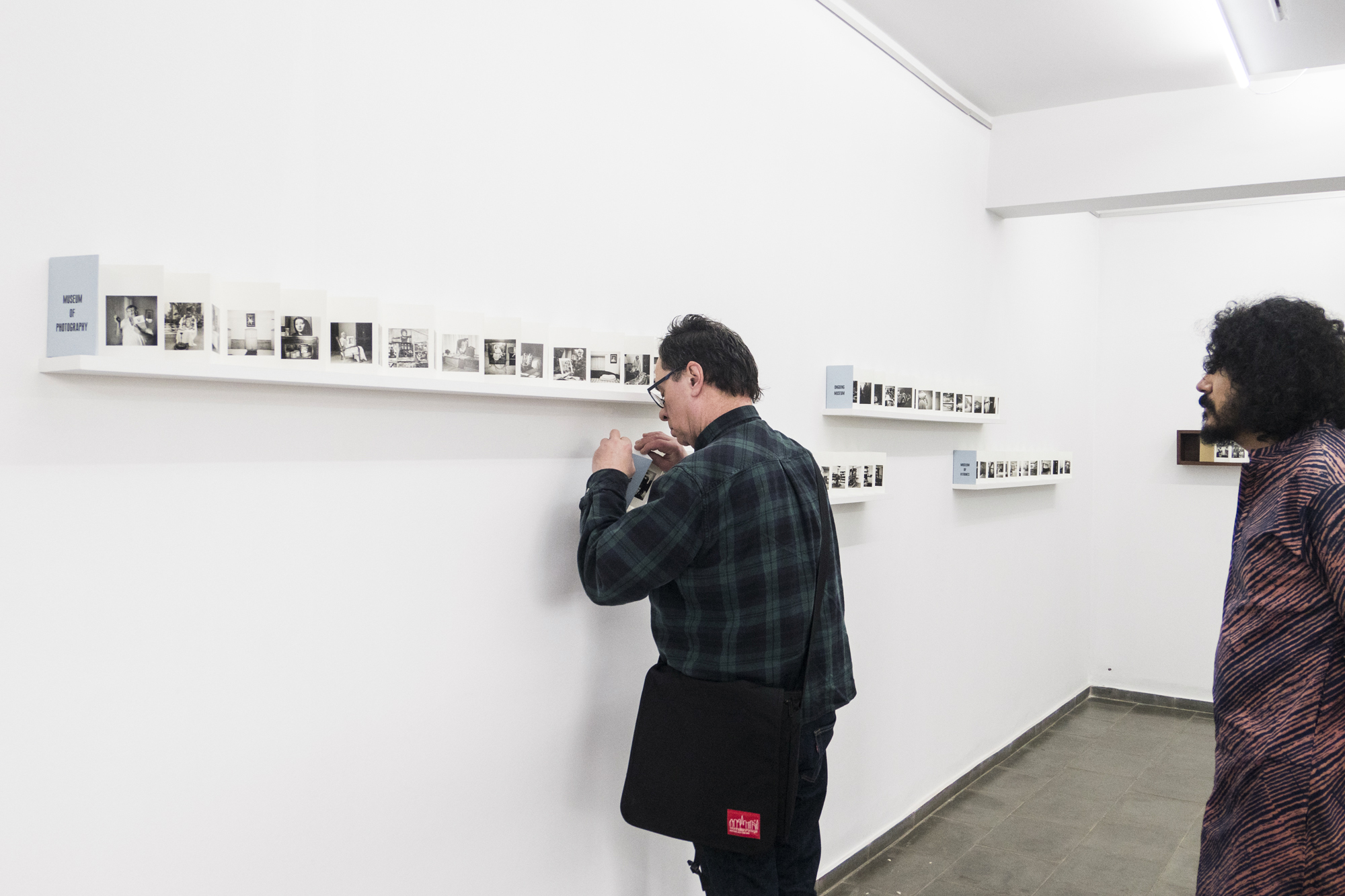
With nine accordion-fold volumes and a small booklet of two printed conversations, the Museum Bhavan book brings all of Singh’s large museums together in one box. Here, the accordion-fold form allows each volume to transform into an individual exhibition when it is unfurled and displayed standing on its side.
Each of the nine volumes contains a sequence of images drawn from a corresponding museum structure. Since the sequence of images in the accordions come from the original ‘collection’ in the large museum, the book becomes both an exhibition of the large museum as well as a catalogue of its collection. Additionally, Singh gave alternative titles to some of the volumes in order to suggest new ways to read the images and understand the museums. The Little Ladies’ Museum, for example, can also be called ‘Museum of Time’.
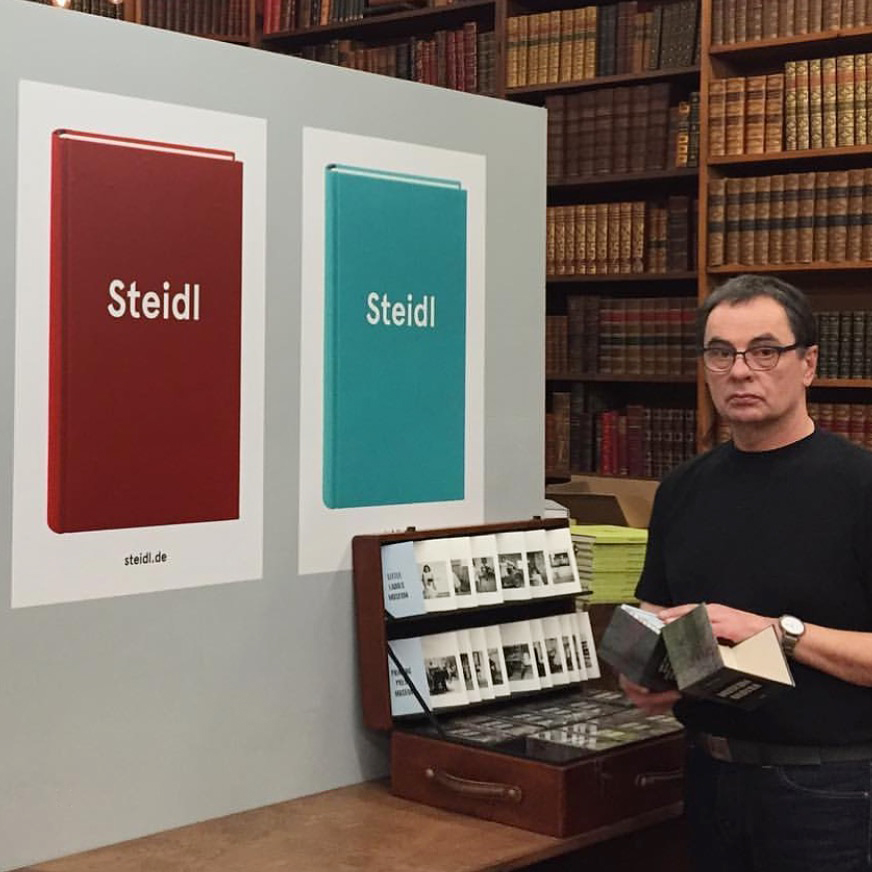
At first, Steidl was hesitant to publish the book as he felt it was too similar to Sent a Letter but Singh felt the architecture of the larger wooden structures was inextricably linked to the earlier book’s box and accordion-fold form. Ultimately, she made her case by arguing that readers with both boxes (Sent a Letter and Museum Bhavan) would have the possibility of curating from 16 different Dayanita Singh exhibitions.
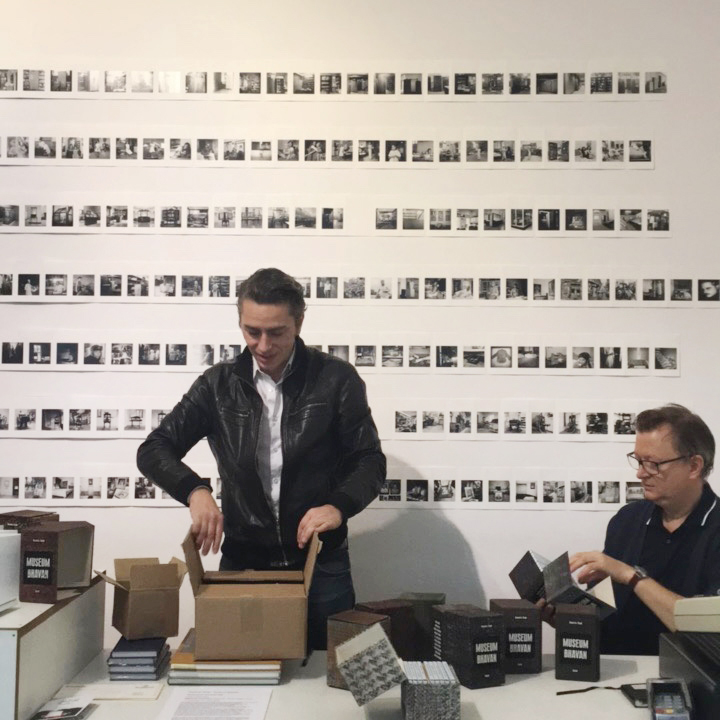
The Museum Bhavan book has the distinction of being both mass-produced and unique. Although its nine volumes are the same across the entire edition, each box is one of a kind. In order to achieve this, Singh used achaara—a fabric used in under-sheets in the block-printing process—to cover each box. Since the ink and colour are distinct for each cloth, no pattern is repeated across any of Museum Bhavan’s 3,000 boxes.
Pocket Museum
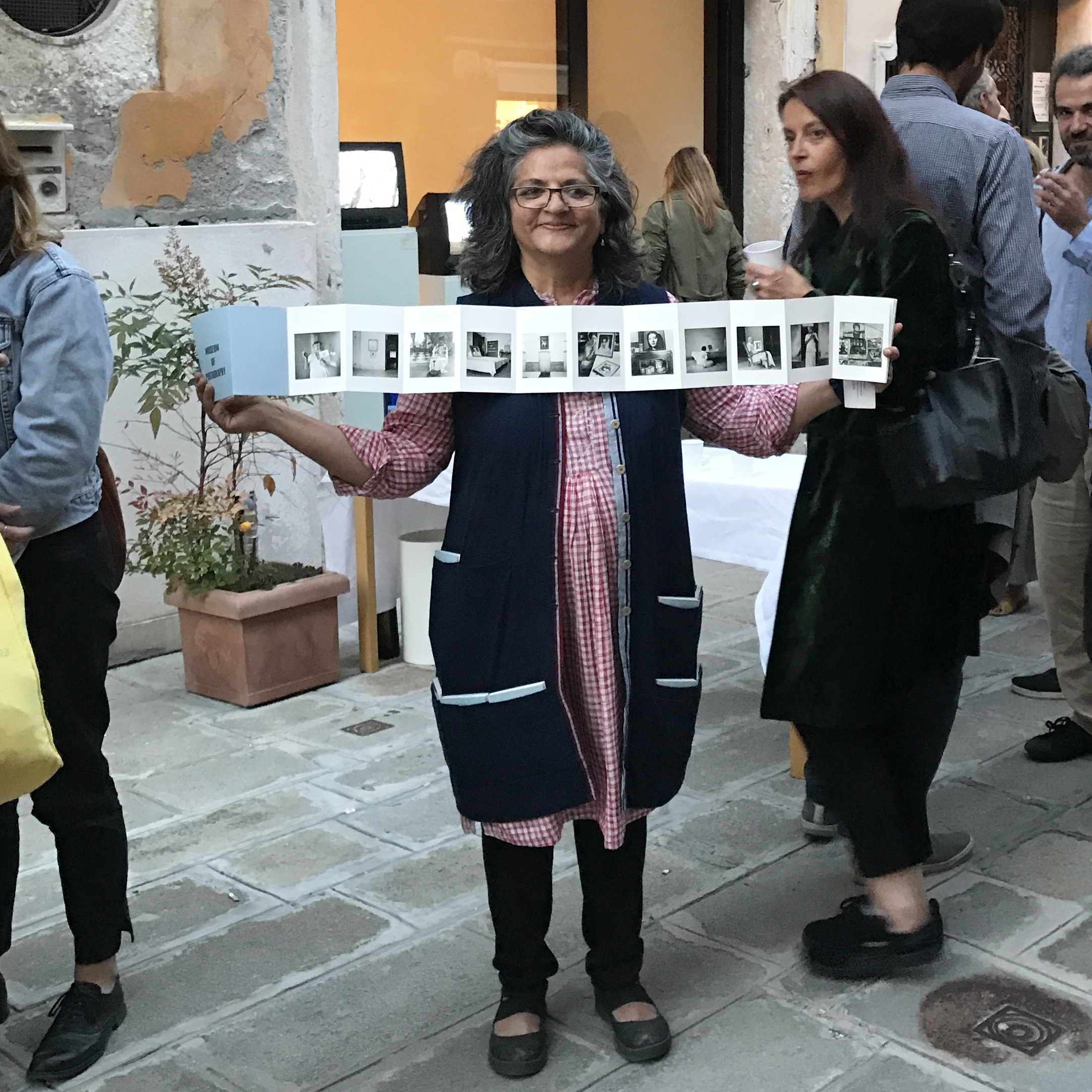
‘Pocket Museum’ emerged out of Singh’s desire to perform the Museum Bhavan book. To do this, she designed a jacket with nine pockets, sized to fit one accordion-fold book each. On the back of the jacket, she had the words ‘MY LIFE AS A MUSEUM’ embroidered.
Once worn, the nine-pocket jacket turns its wearer into a mobile museum. The jacket becomes the storage and the person becomes the display (when the books are unfurled and stretched with both hands, the wearer becomes a human vitrine).
With Museum Bhavan, Singh realized a photographic architecture that seamlessly transitions across form. A book that is unique and yet mass-produced, one that is an exhibition but also its catalogue. A book that is a museum which no longer requires a visit. And, if you like, even one that can live in your pocket.