Dayanita Singh

      • Zakir Hussain Maquette
      • Museum Bhavan
      • Museum of Chance
      • File Room
      • Forget Me Knot
      • House of Love
      • Dream Villa
      • Point d’Ironie
      • Blue Book
      • Lets See
      • Sent a Letter
      • Go Away Closer
      • Chairs
      • Privacy
      • Myself Mona Ahmed
      • Kali for Women Diary
      • Zakir Hussain
    • Glossary
    • Living With Books
      • Demello Vado
      • Ladies of Calcutta
      • Zakir HussainShanay Jhaveri
      • Myself Mona AhmedSkye Arundhati Thomas
      • PrivacySuryanandini Narain
      • ChairsPieranna Cavalchini
      • Go Away CloserRukminee Guha Thakurta
      • Sent a LetterAdira Thekkuveettil
      • Blue BookRattanamol Singh Johal
      • Dream VillaMonica Narula
      • House of LoveTanvi Mishra
      • File RoomMeghaa Parvathy Ballakrishnen
      • Museum of ChanceSimrat Dugal
      • Museum BhavanHolly Shaffer
      • 1980 – 1989
      • 1990 – 1999
      • 2000 – 2009
      • 2010 – 2019
      • 2020 – 2029
      • Zakir Hussain Maquette
      • Museum Bhavan
      • Pocket Museum
      • Museum of Chance
      • Fileroom
      • Sent a Letter
    • Kochi Box
    • Box of Shedding
    • Pothi Box
    • BV Box
    • Box 507
    • File Museum
    • Little Ladies Museum 1961–present
    • Museum of Chance
    • Museum of Shedding
    • Suitcase Museum
    • Museum of Tanpura
    • Museum of Dance
      • Blue Measures
      • Wildlife of India
      • Terragni Pillar
      • Time Capsule
      • Light did not Know
      • Architects Gathering
      • Between Rose and Chrysanthemum
      • Archive Fever
      • Book Building
      • Book Building 2
      • Book Object
    • Archivio
  • News
  • About
  • Museum Bhavan

    Scroll Down

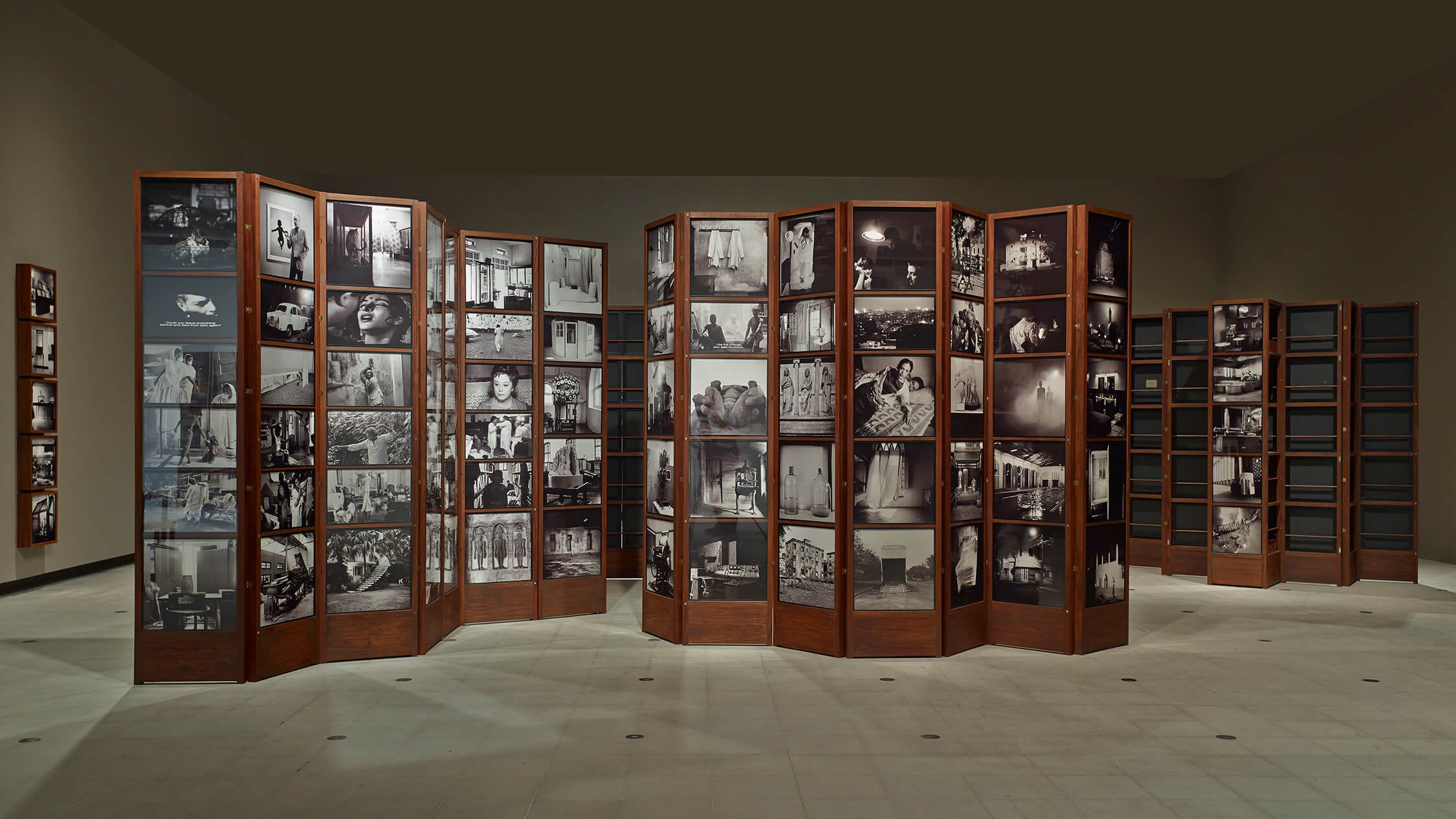
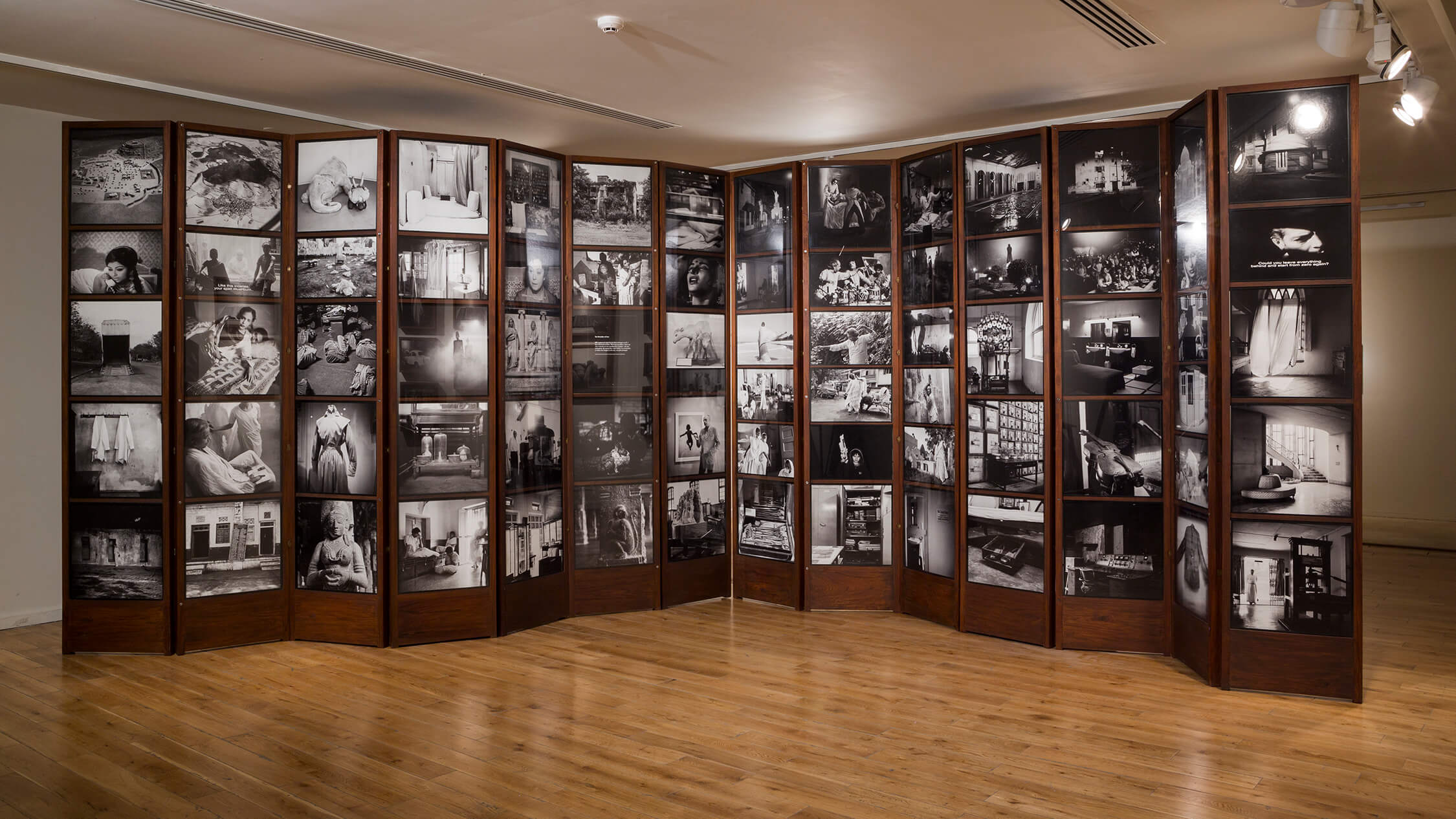
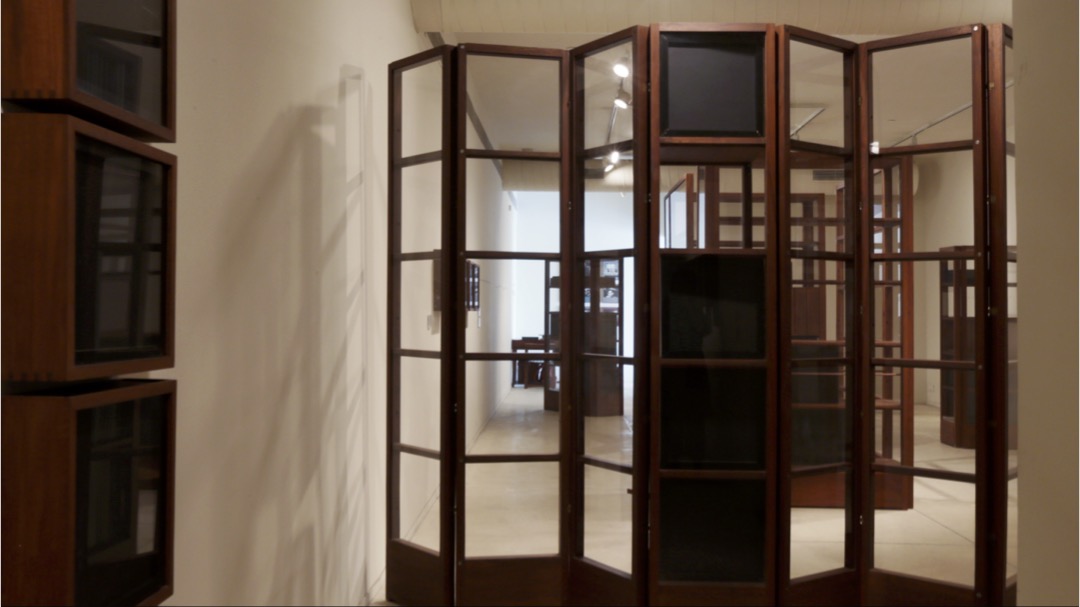
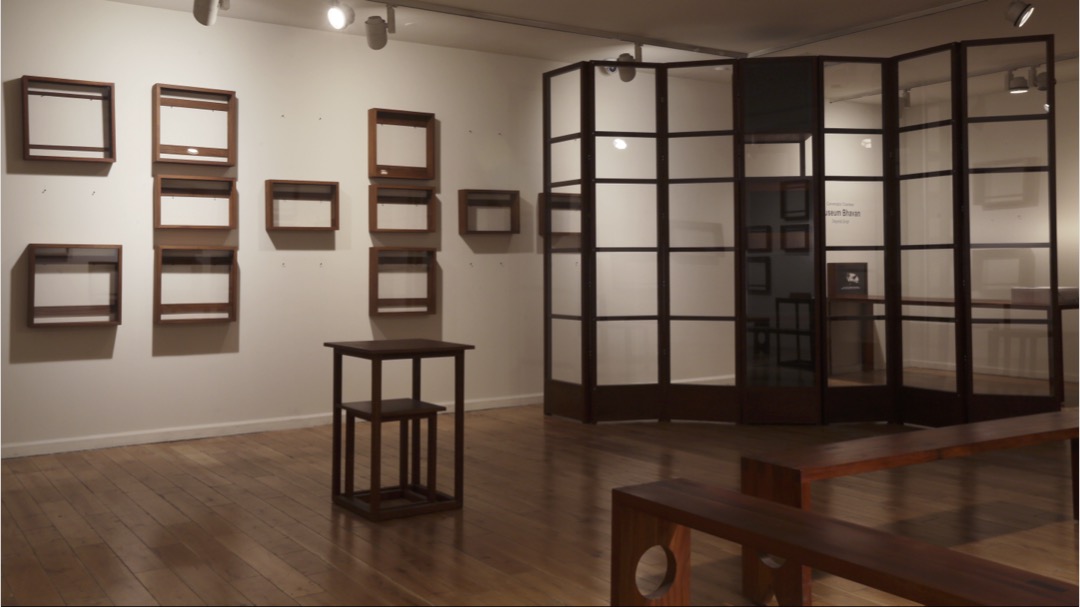
    Museum Bhavan is a travelling family of museums made by Dayanita Singh. Each museum holds old and new images in movable wooden structures, from the time Singh began photography in 1981 until the present.
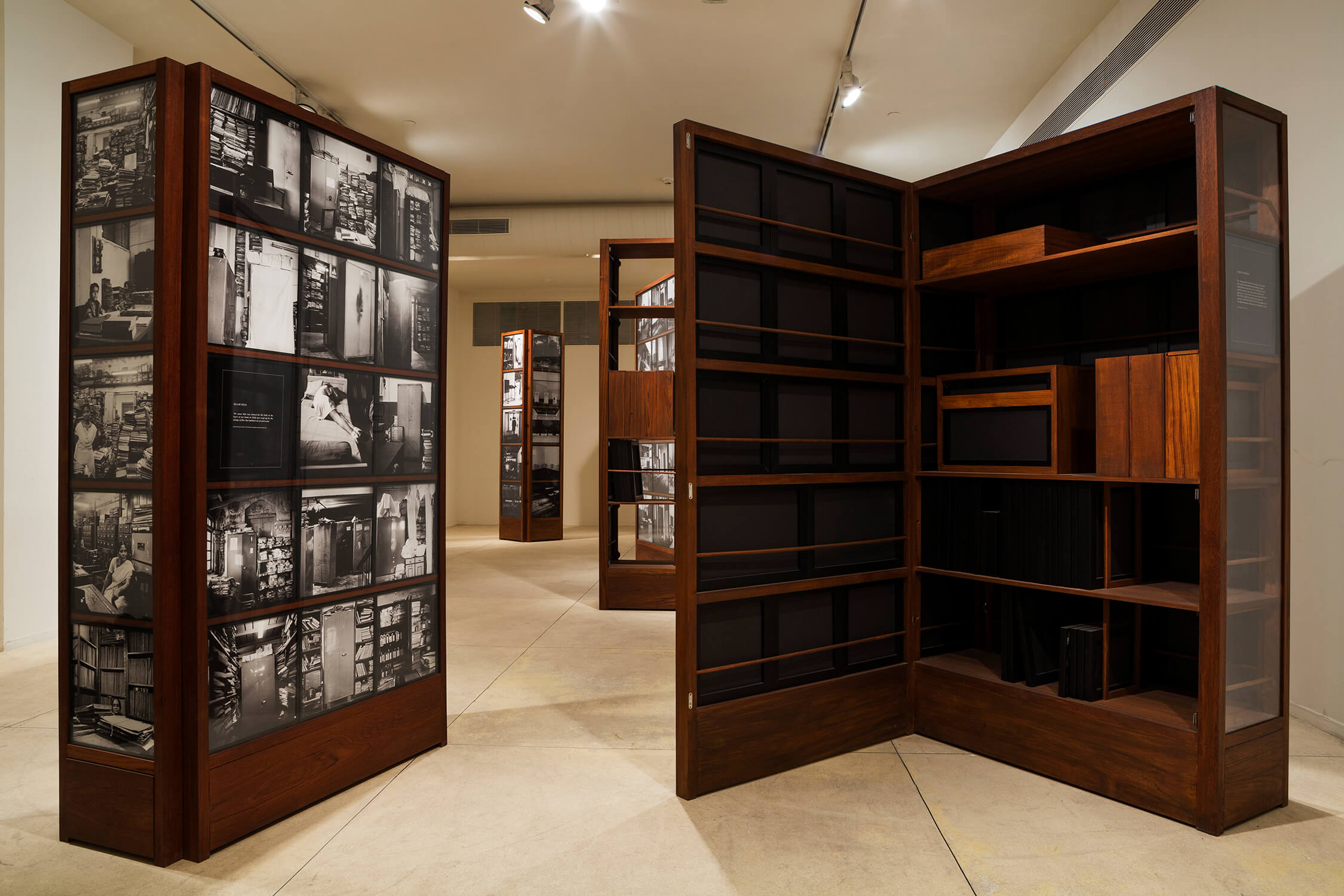
    The museums can be opened and closed by the artist to create different shapes, spaces and connections within and among them.
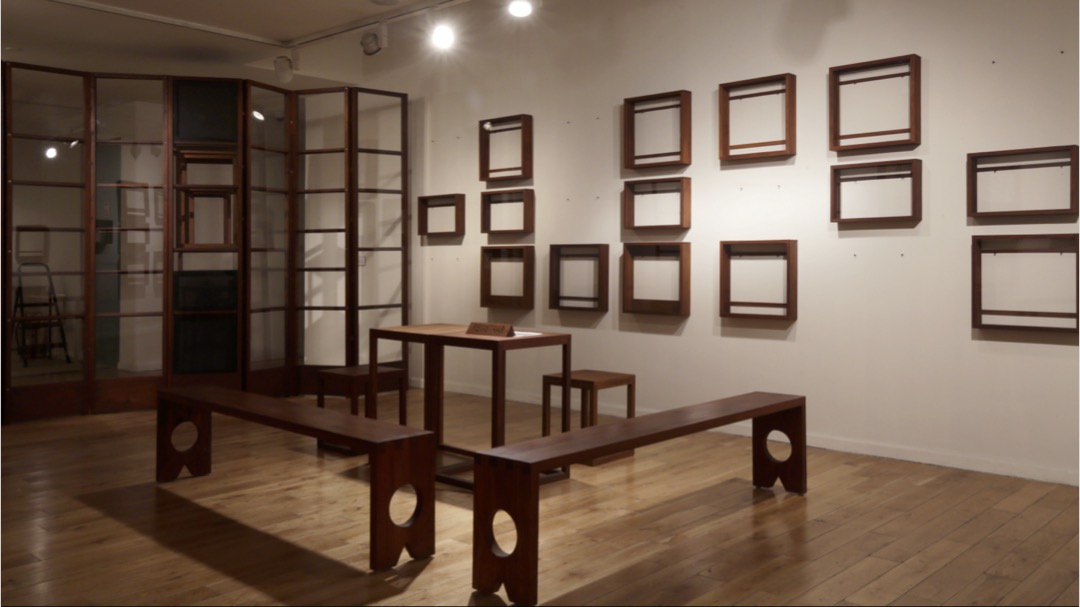
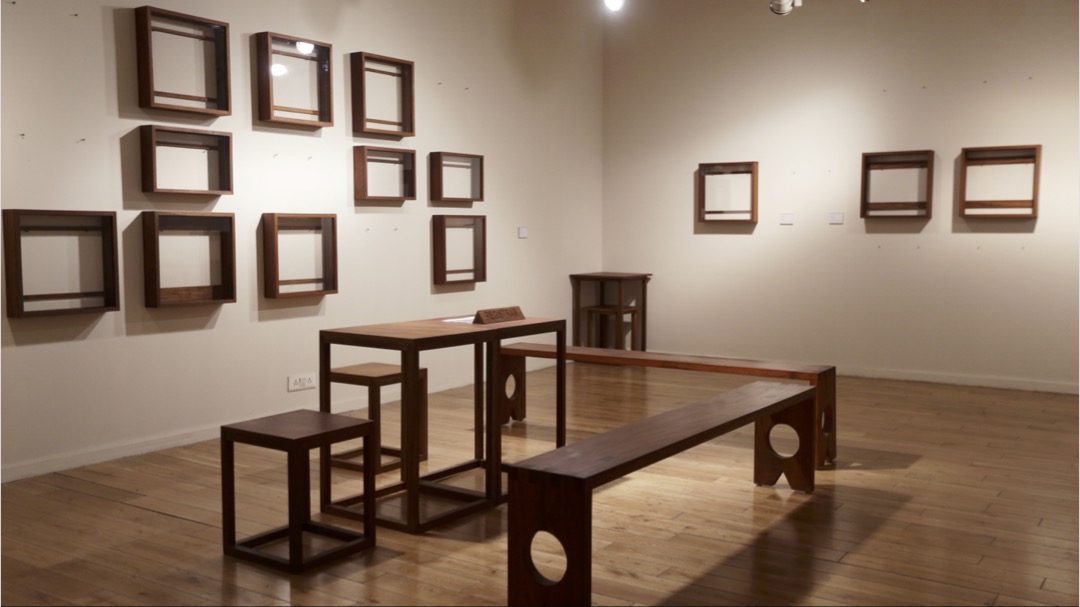
    They come with their own boxes, tables, stools and benches. These become part of different kinds of movement, activity and interaction that animate the viewer's experience of the museums.
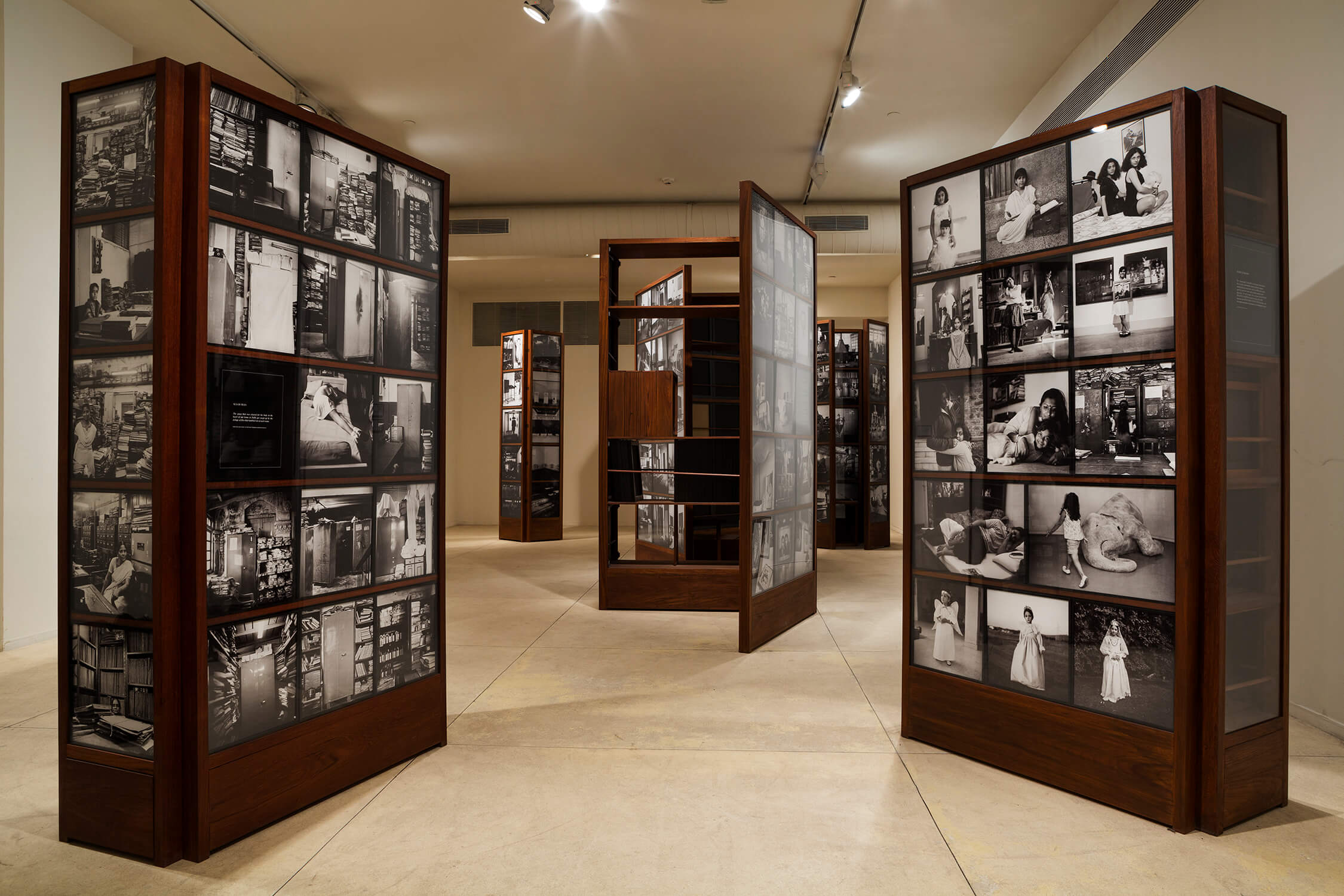
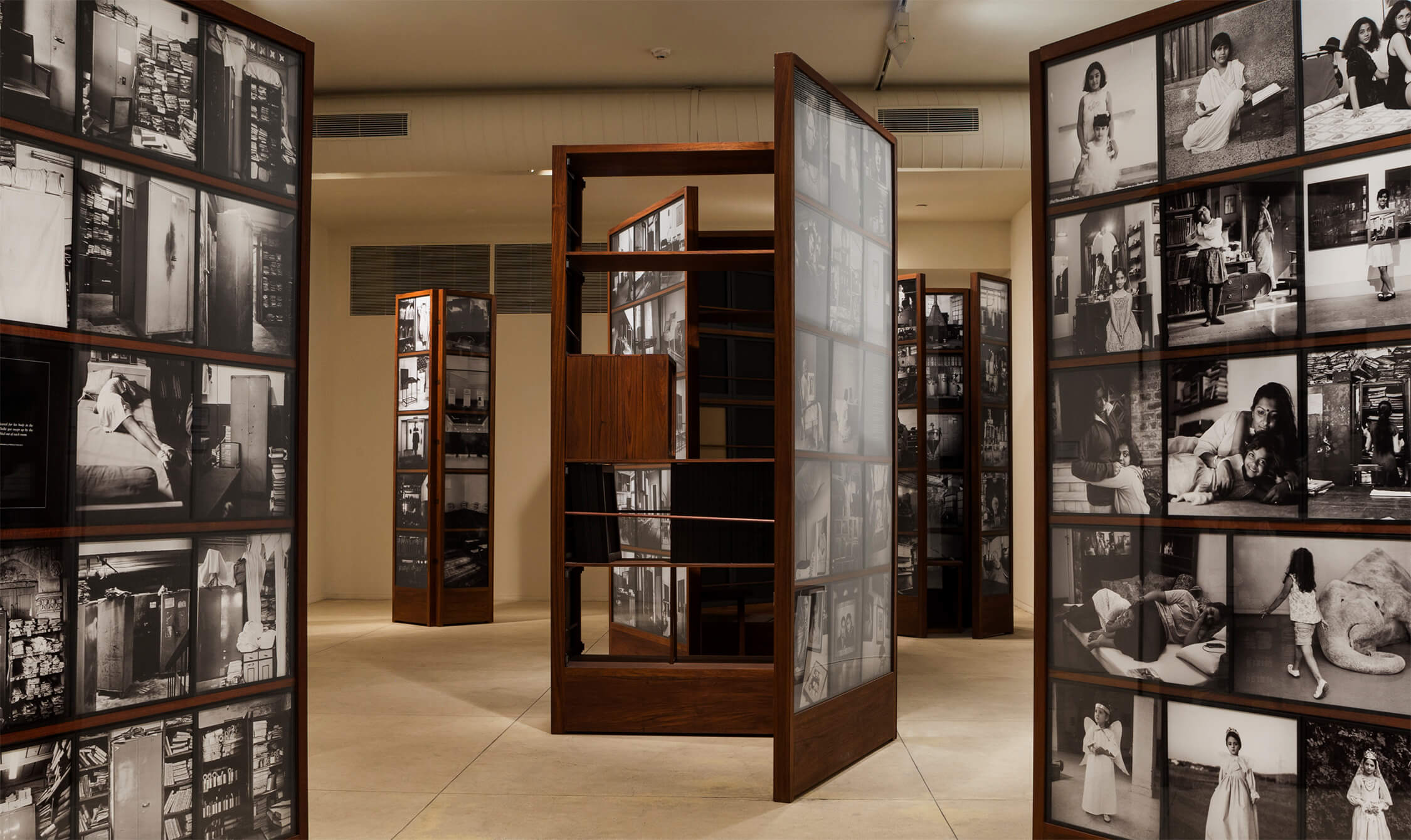
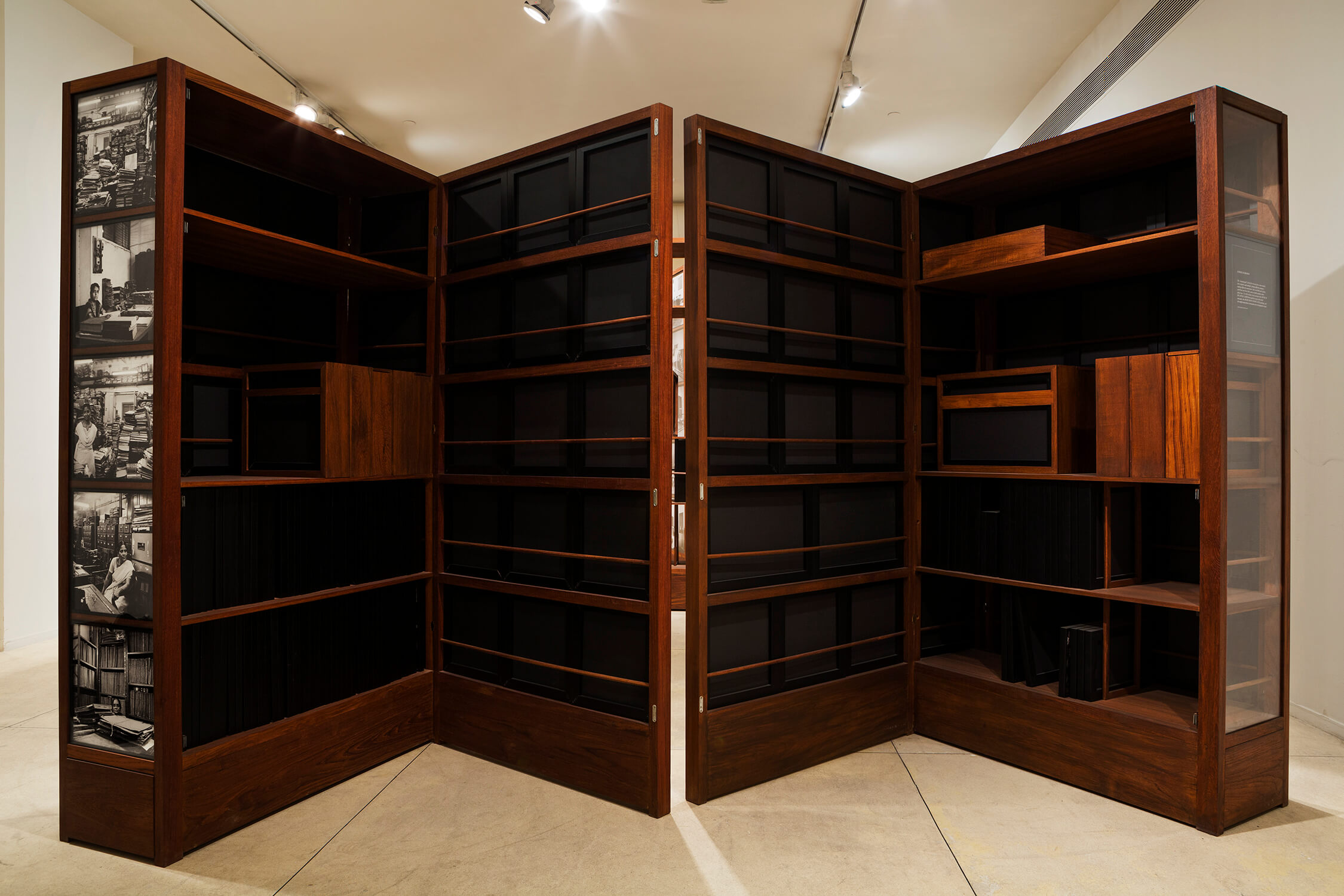
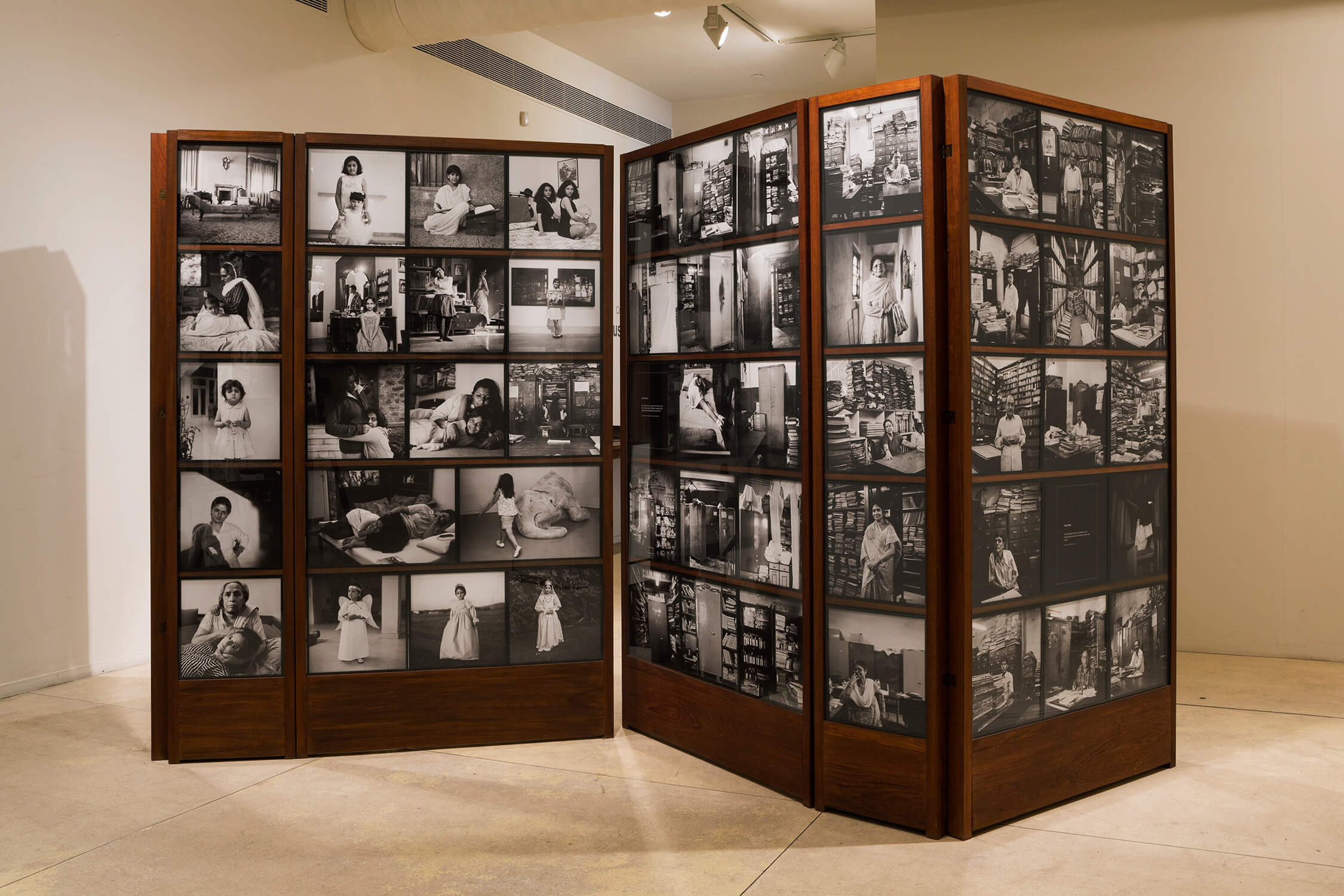
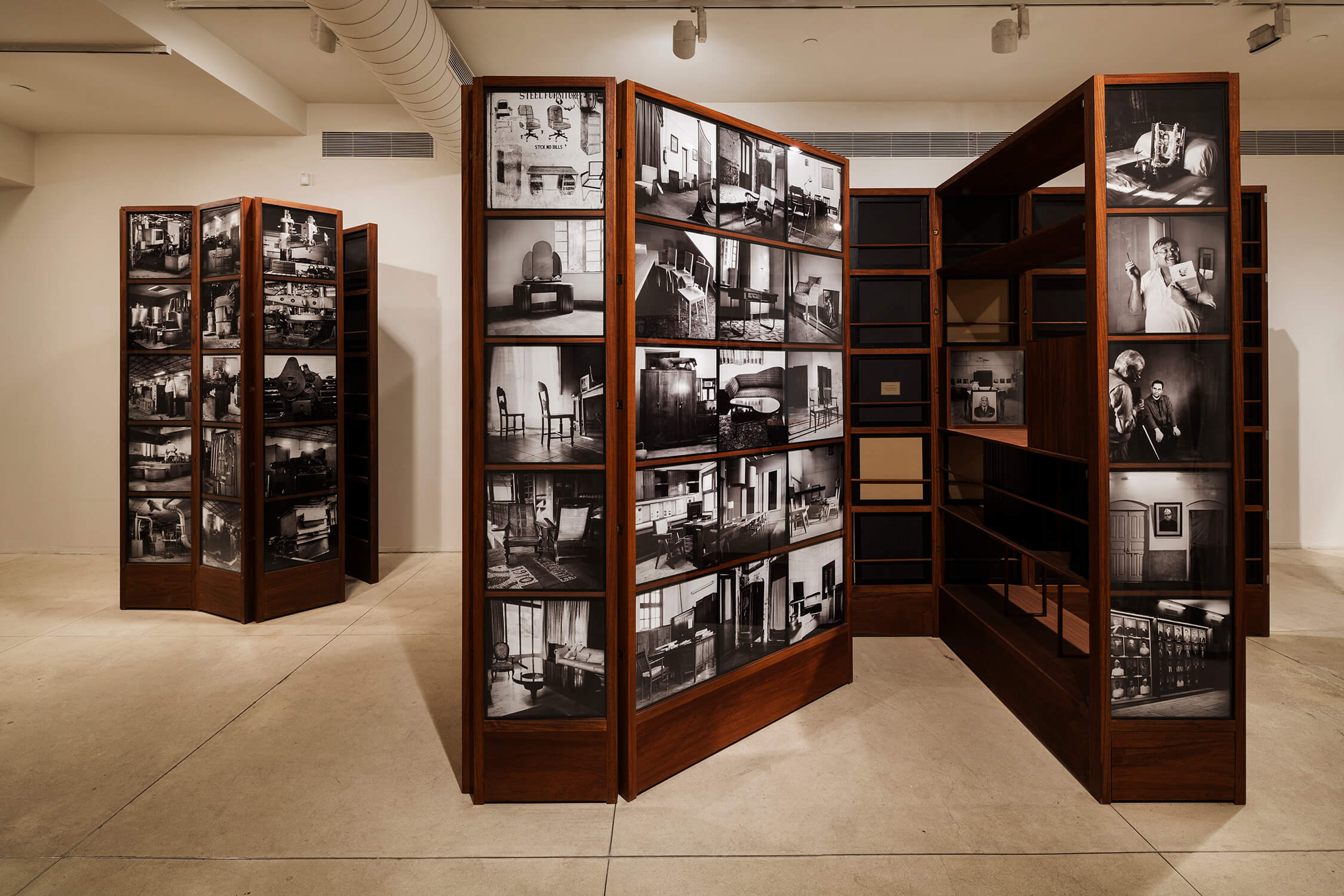
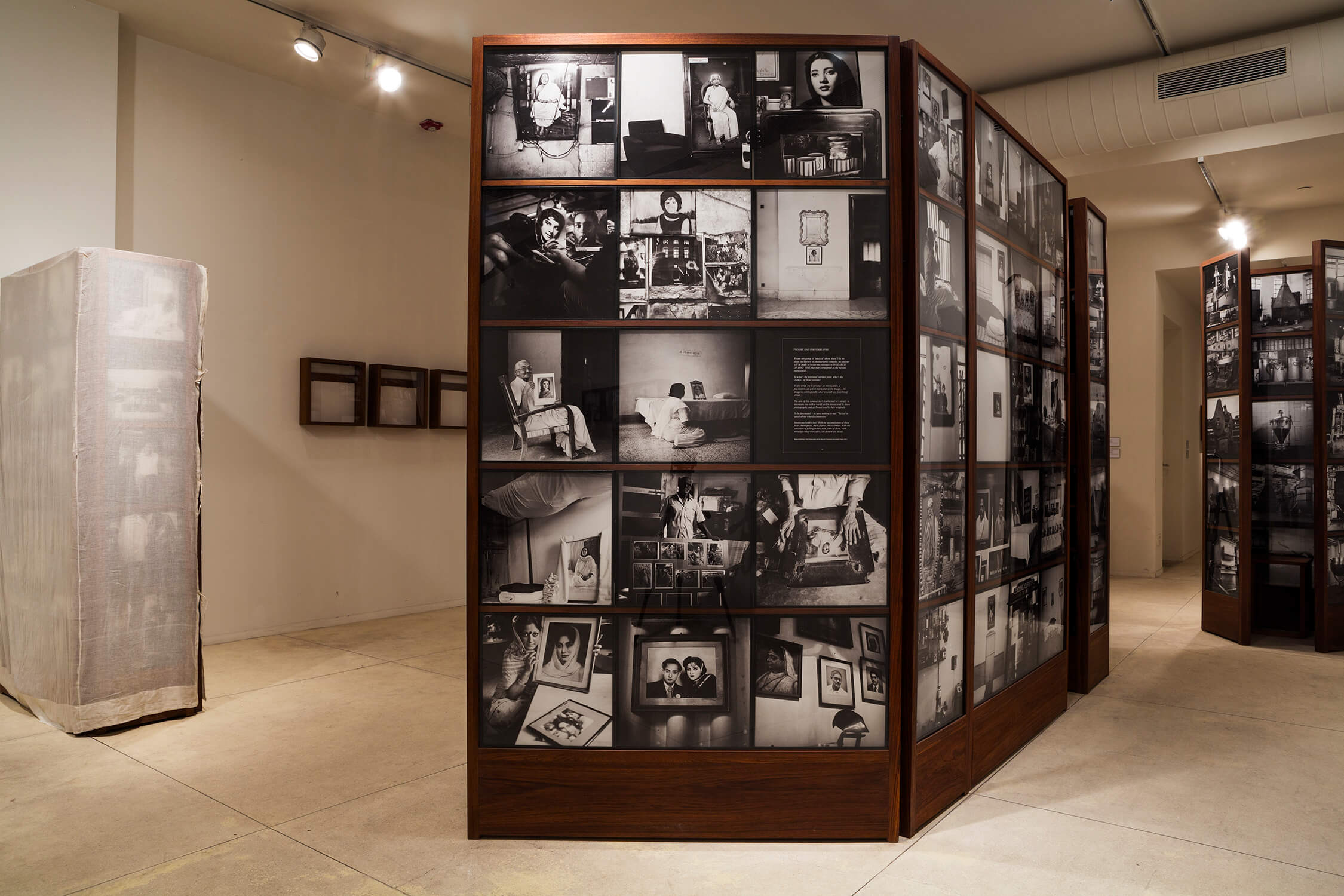
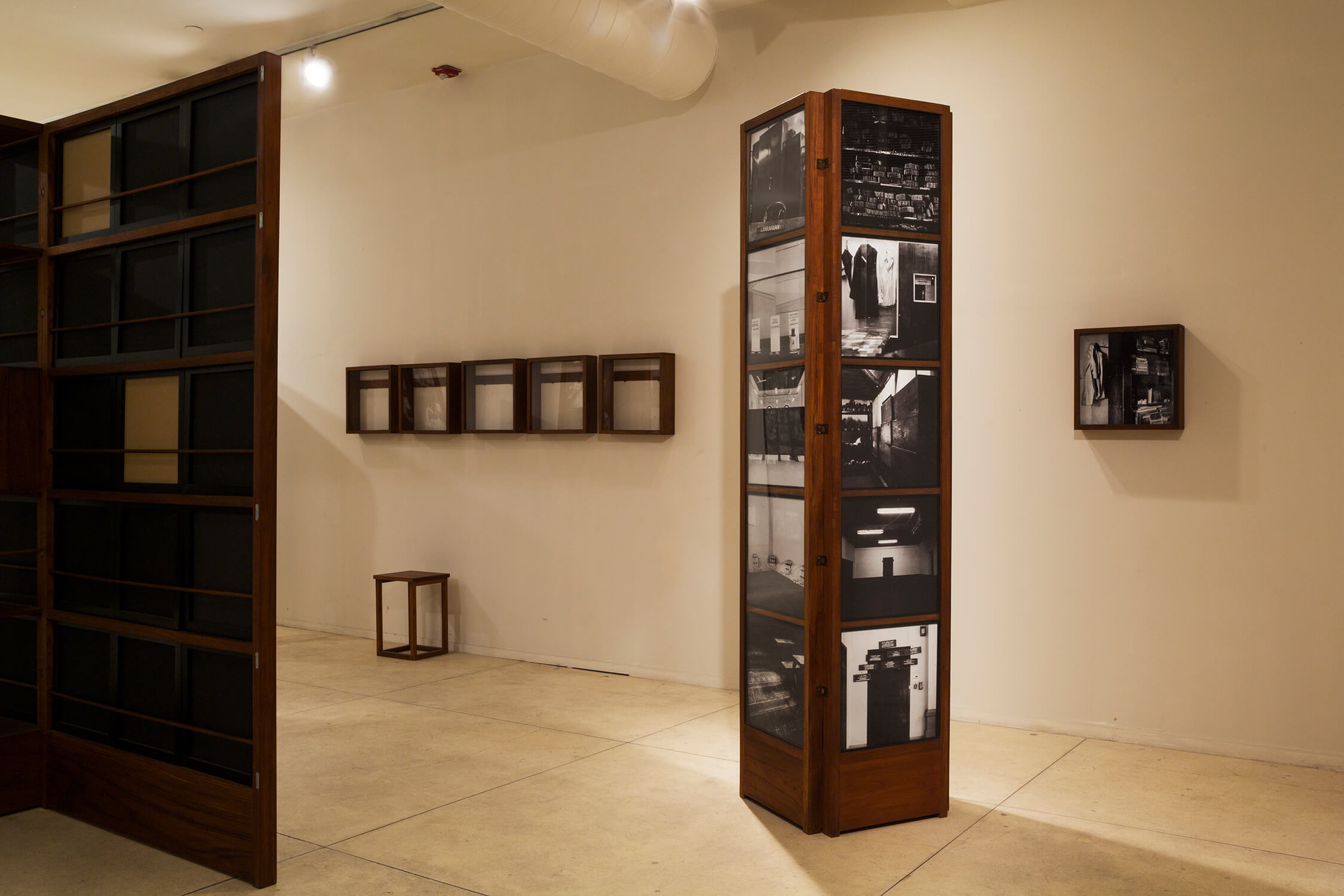
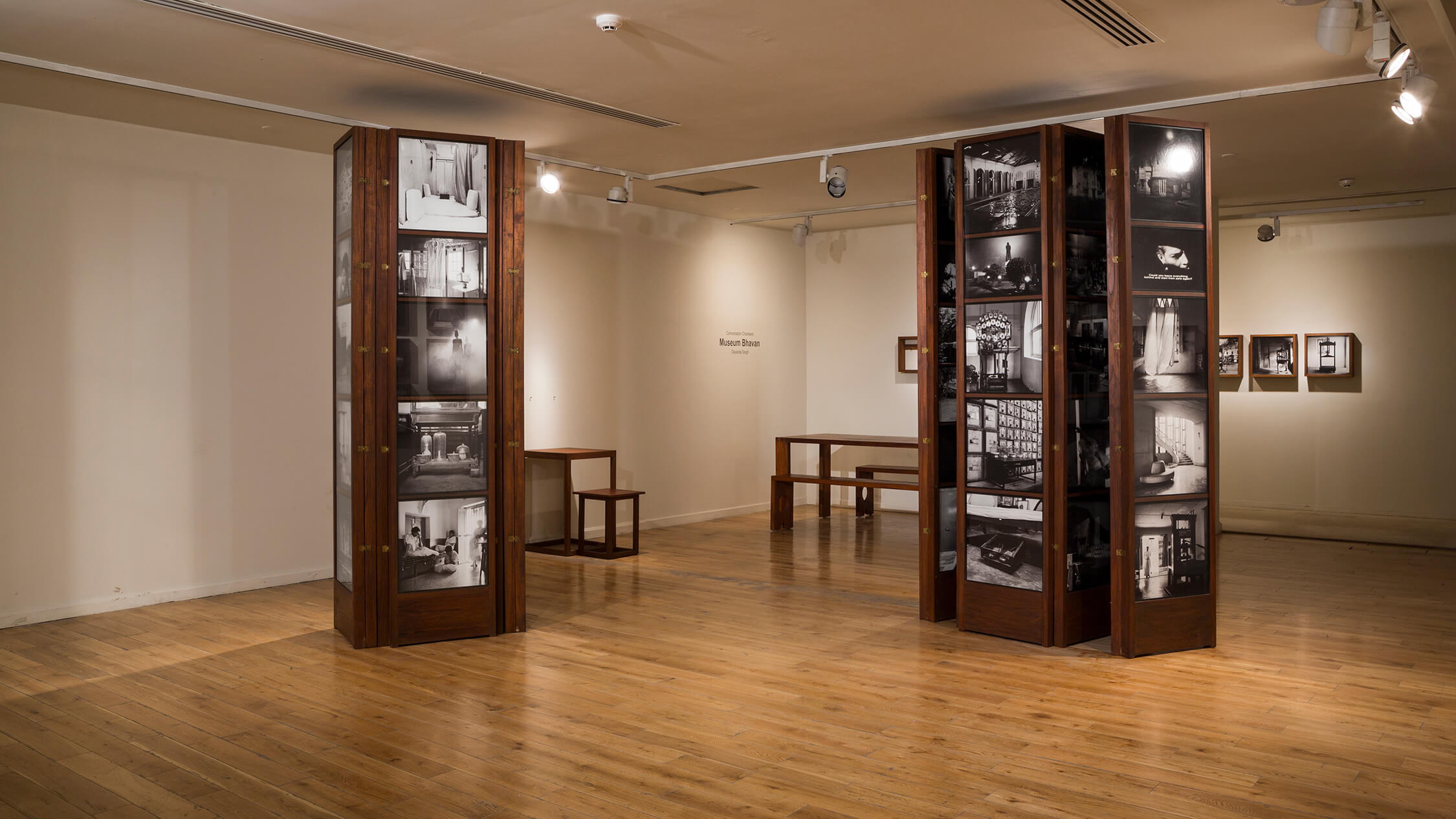
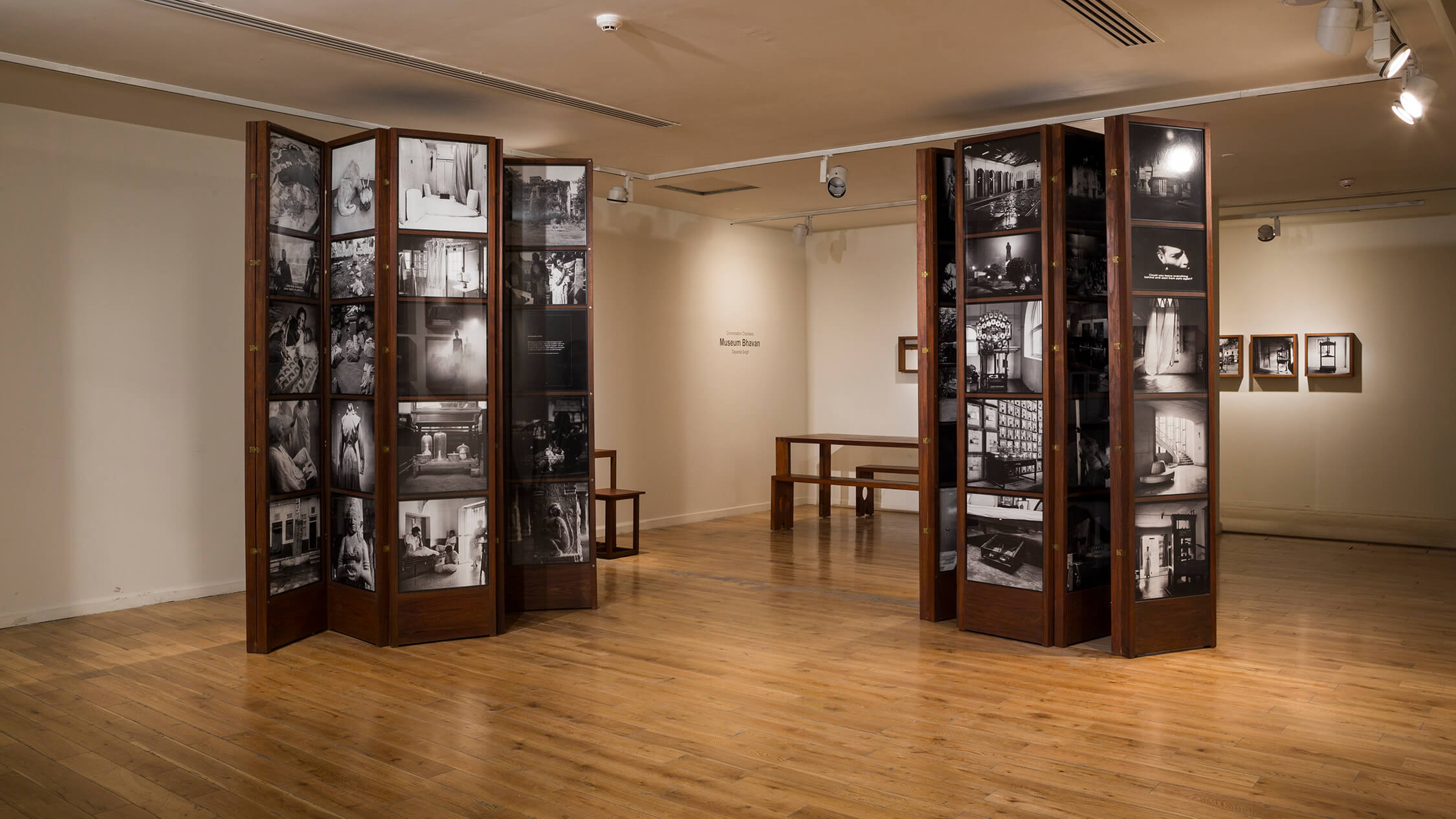
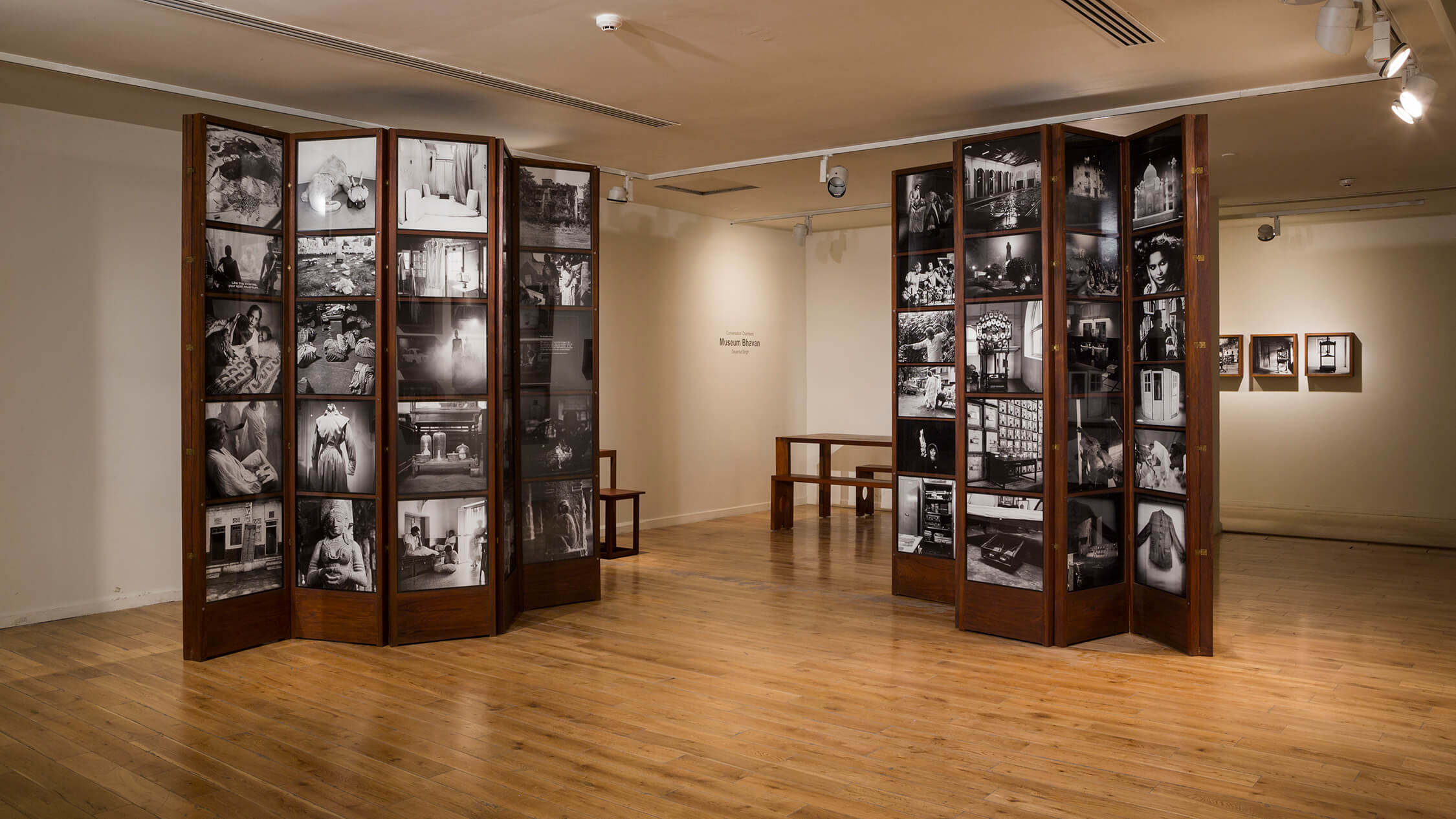
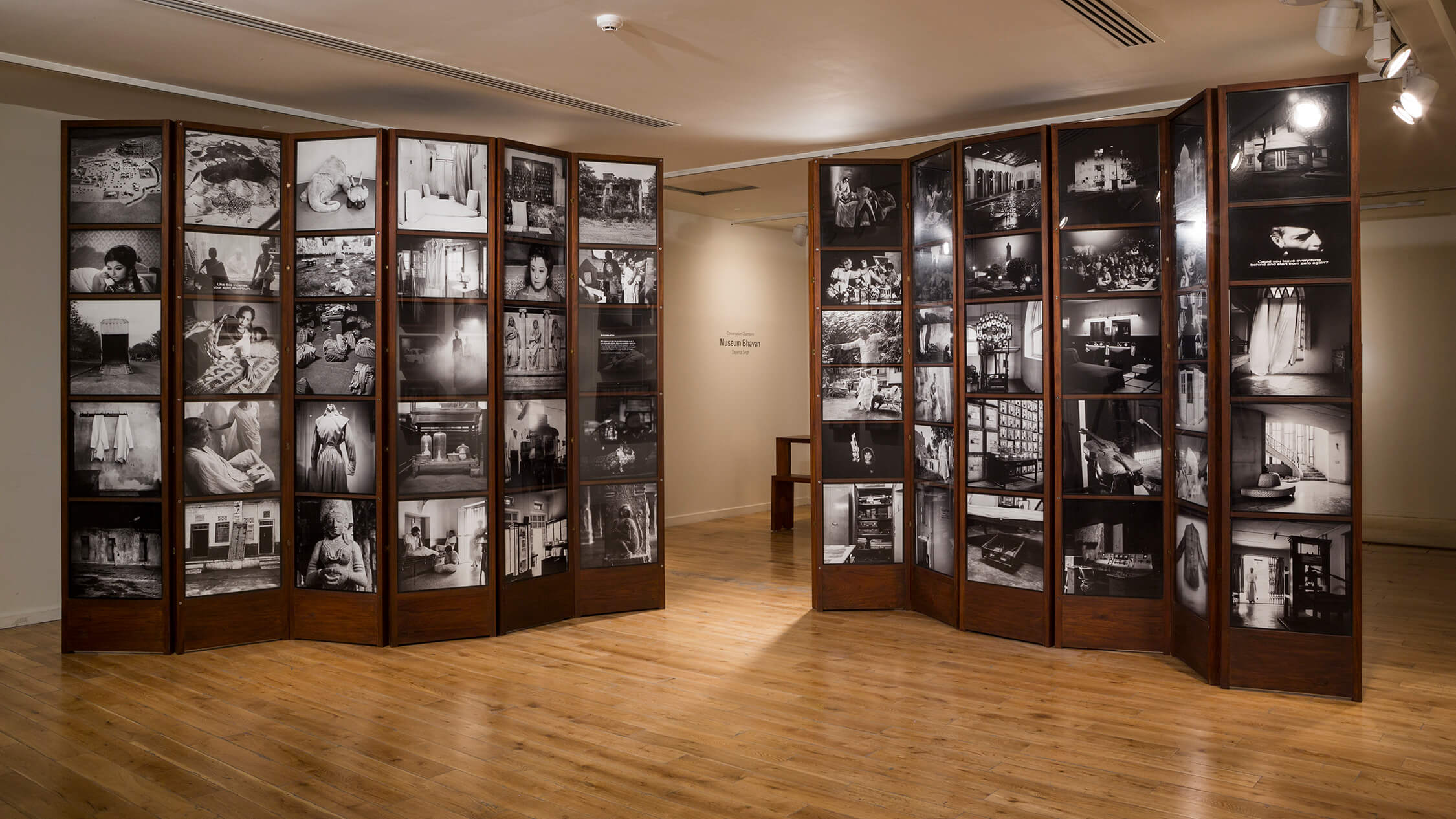
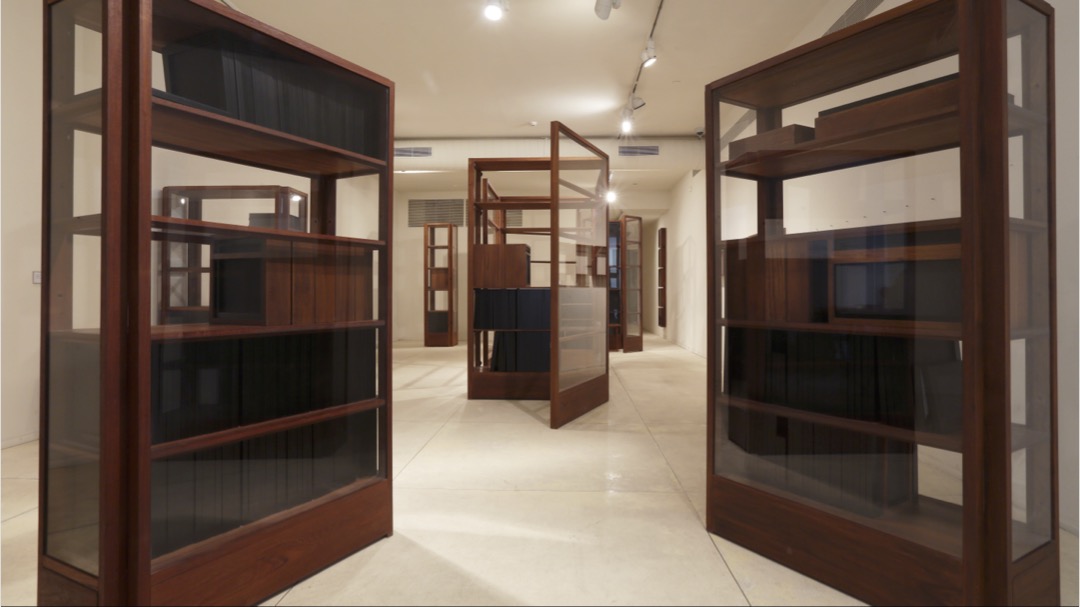
    This is the Museum Bhavan as it was installed in the Kiran Nadar Museum of Art, New Delhi.
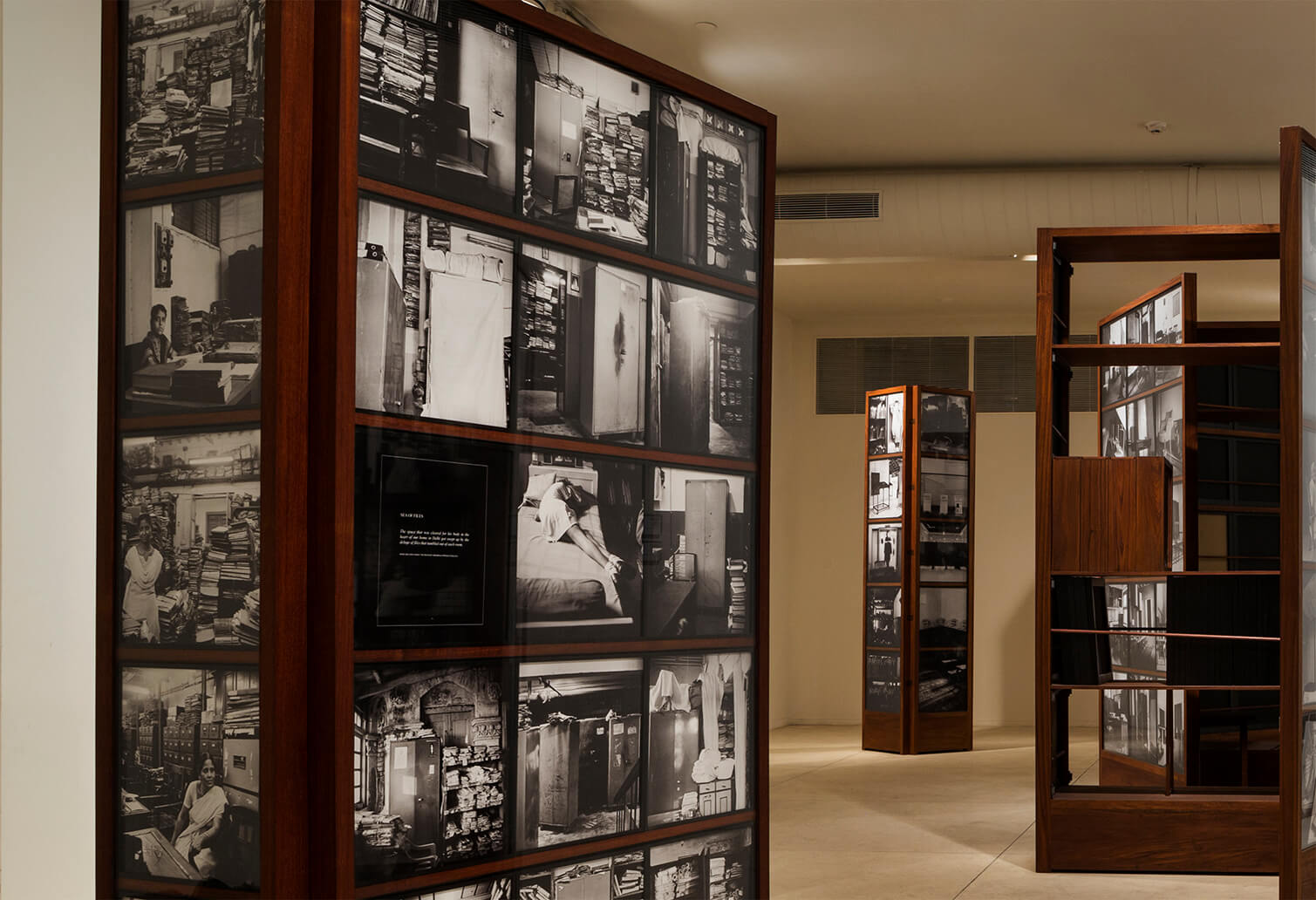
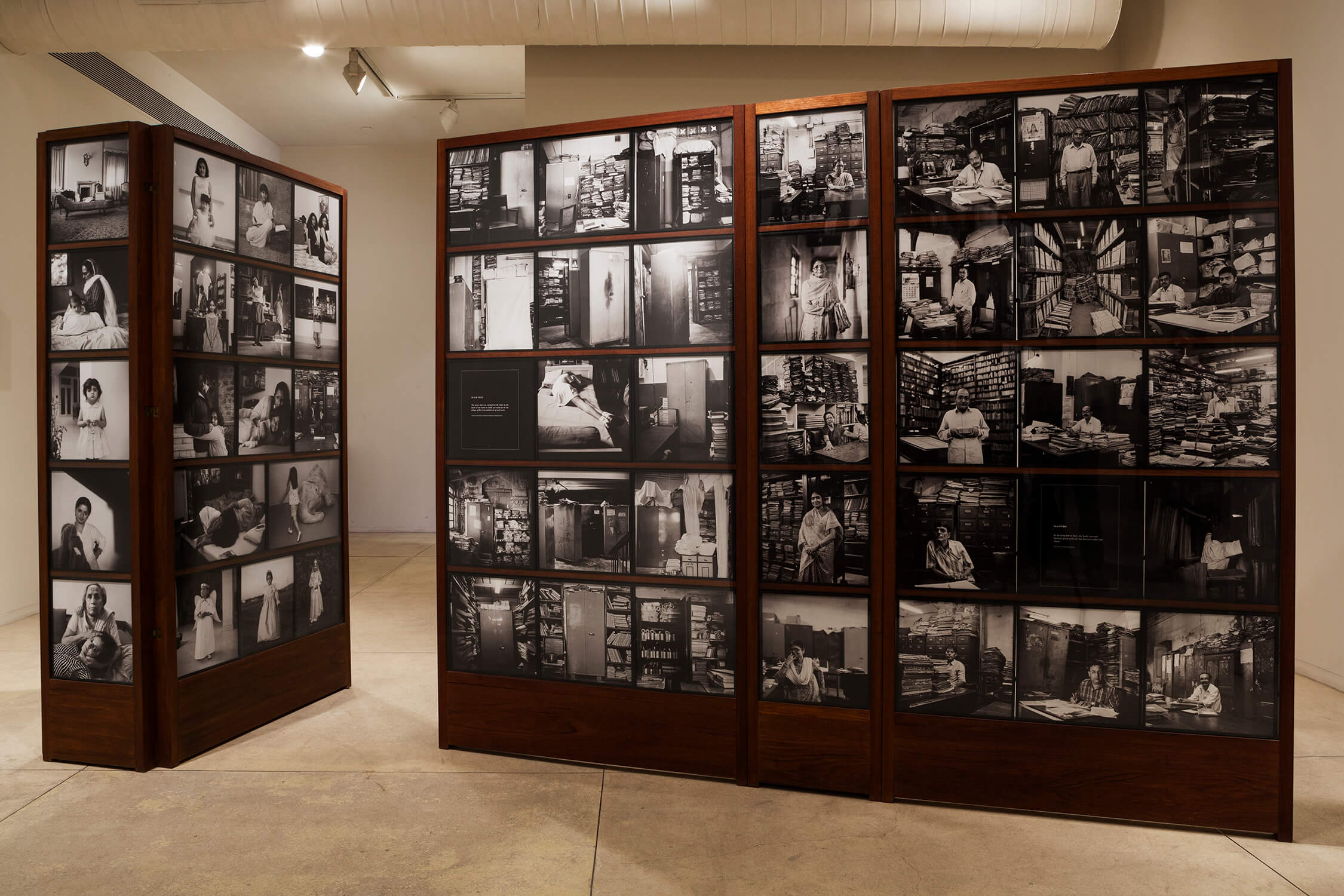
    On our left, we have the File Museum.
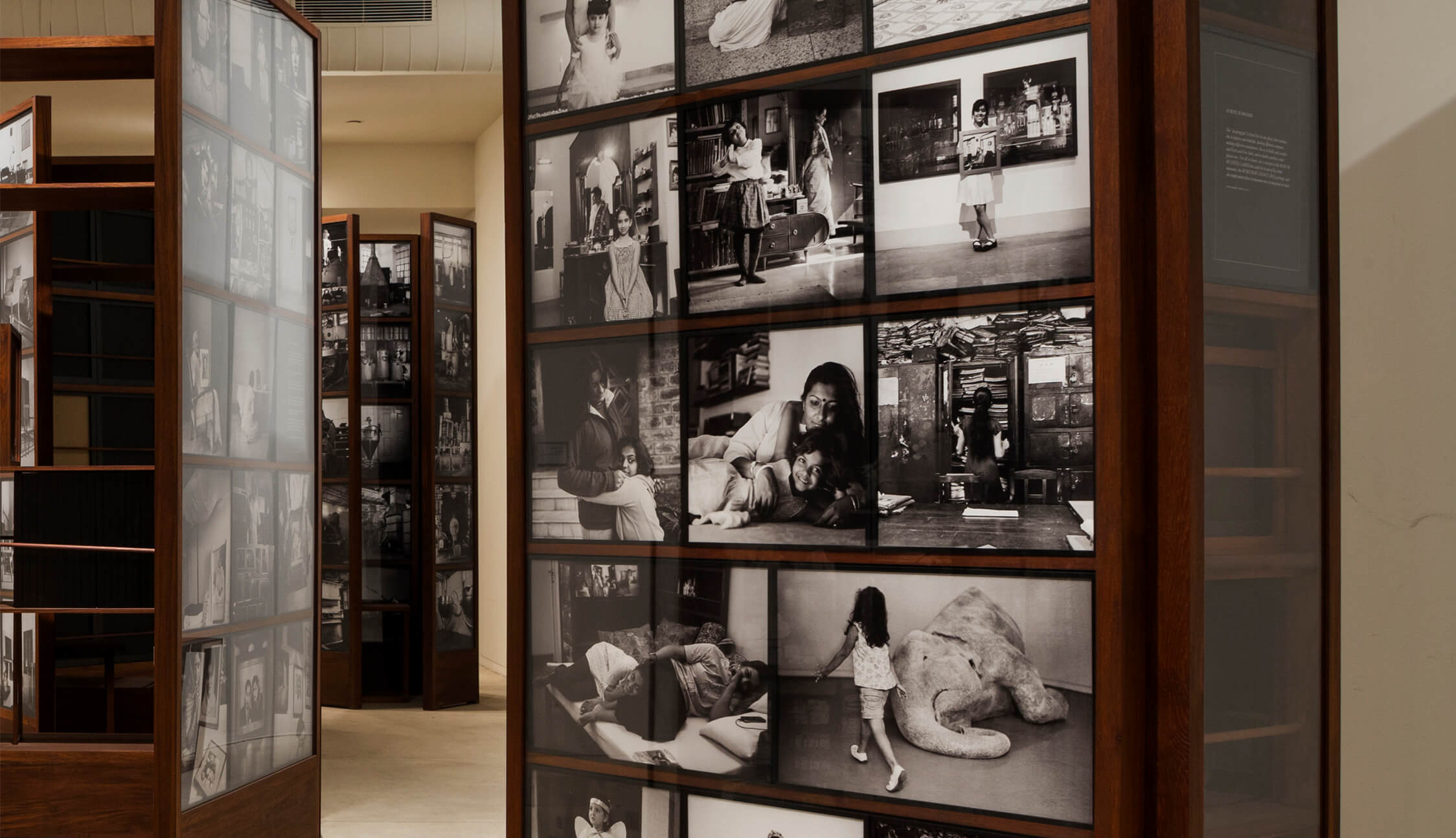
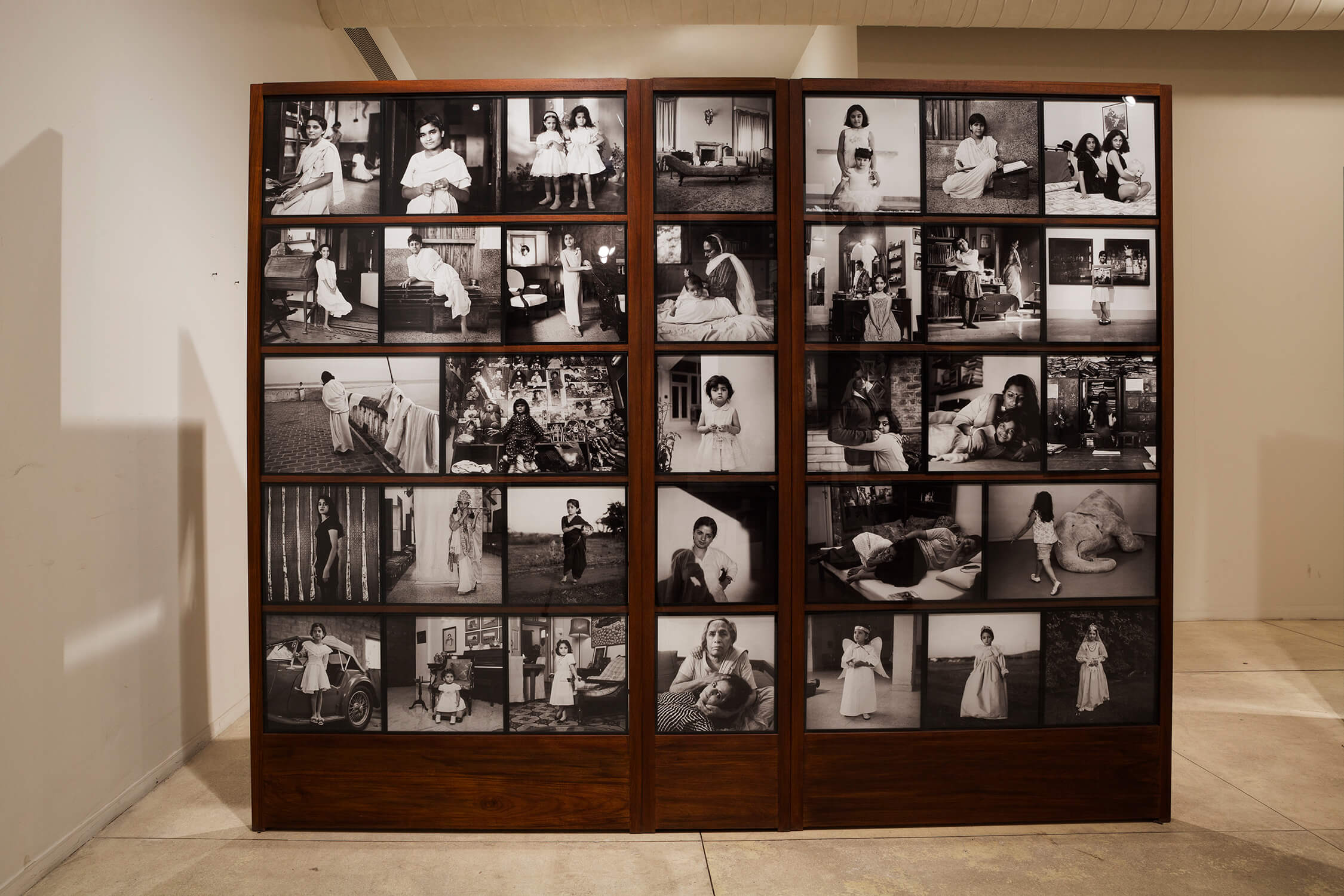
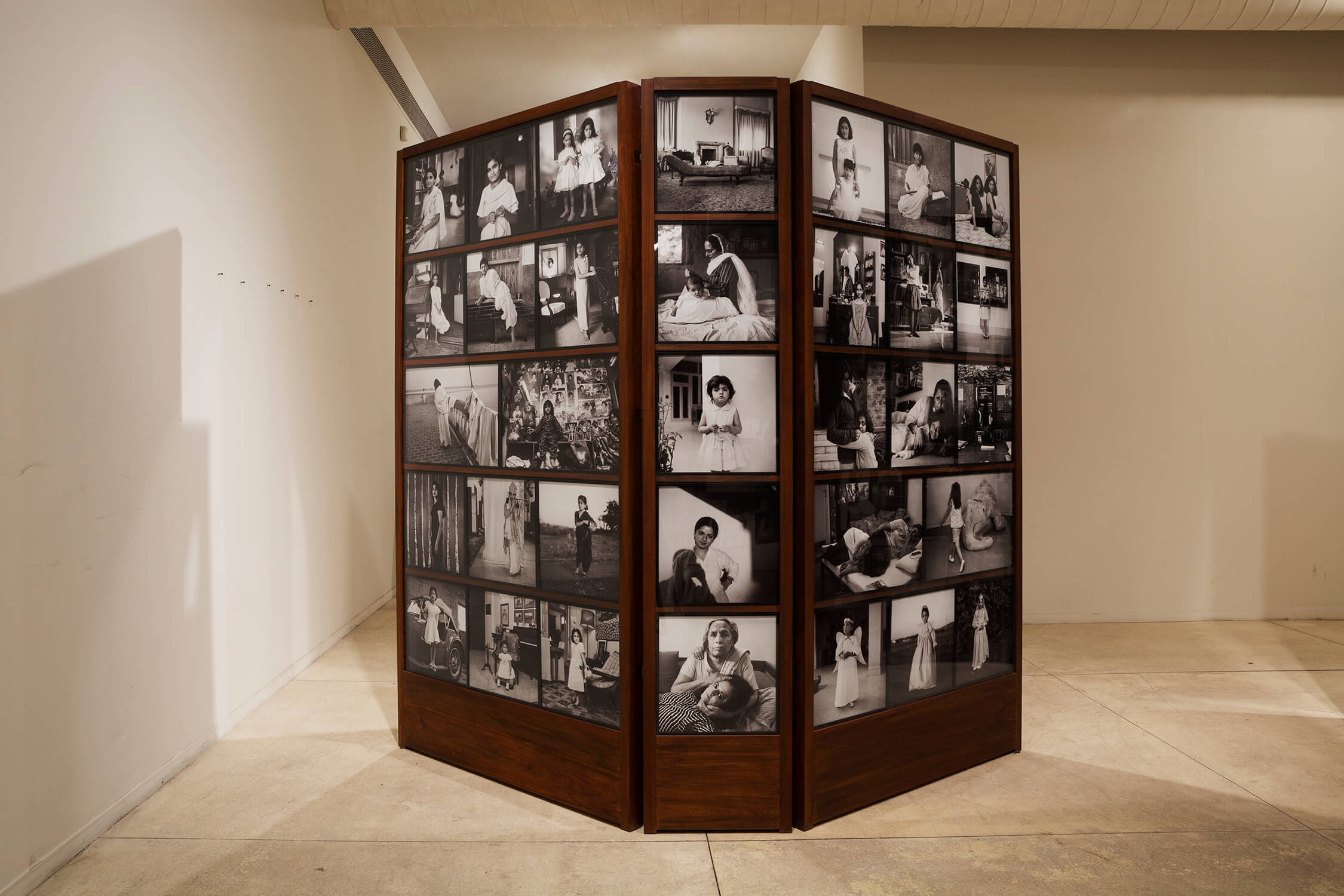
    On the right, the Museum of Little Ladies.
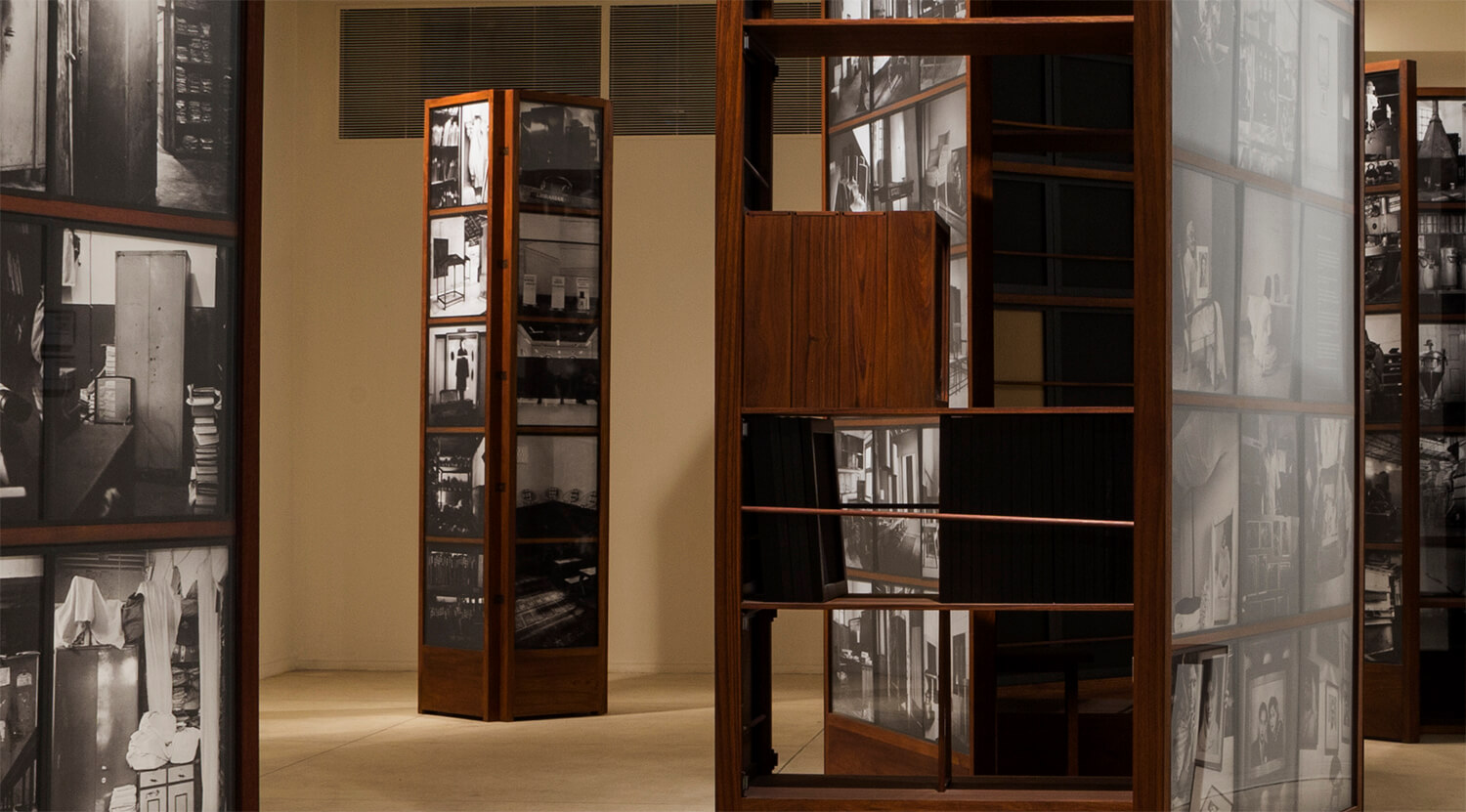
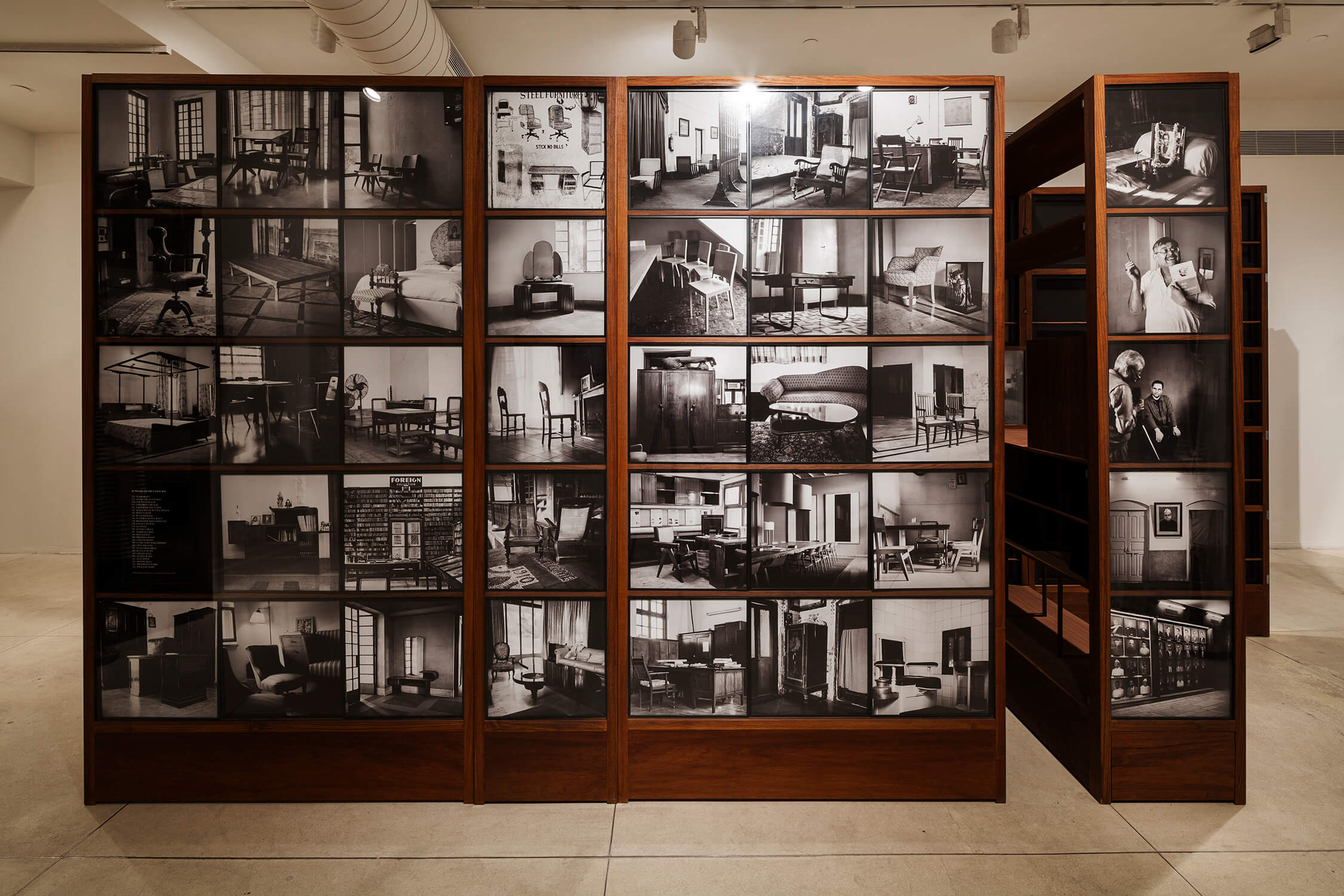
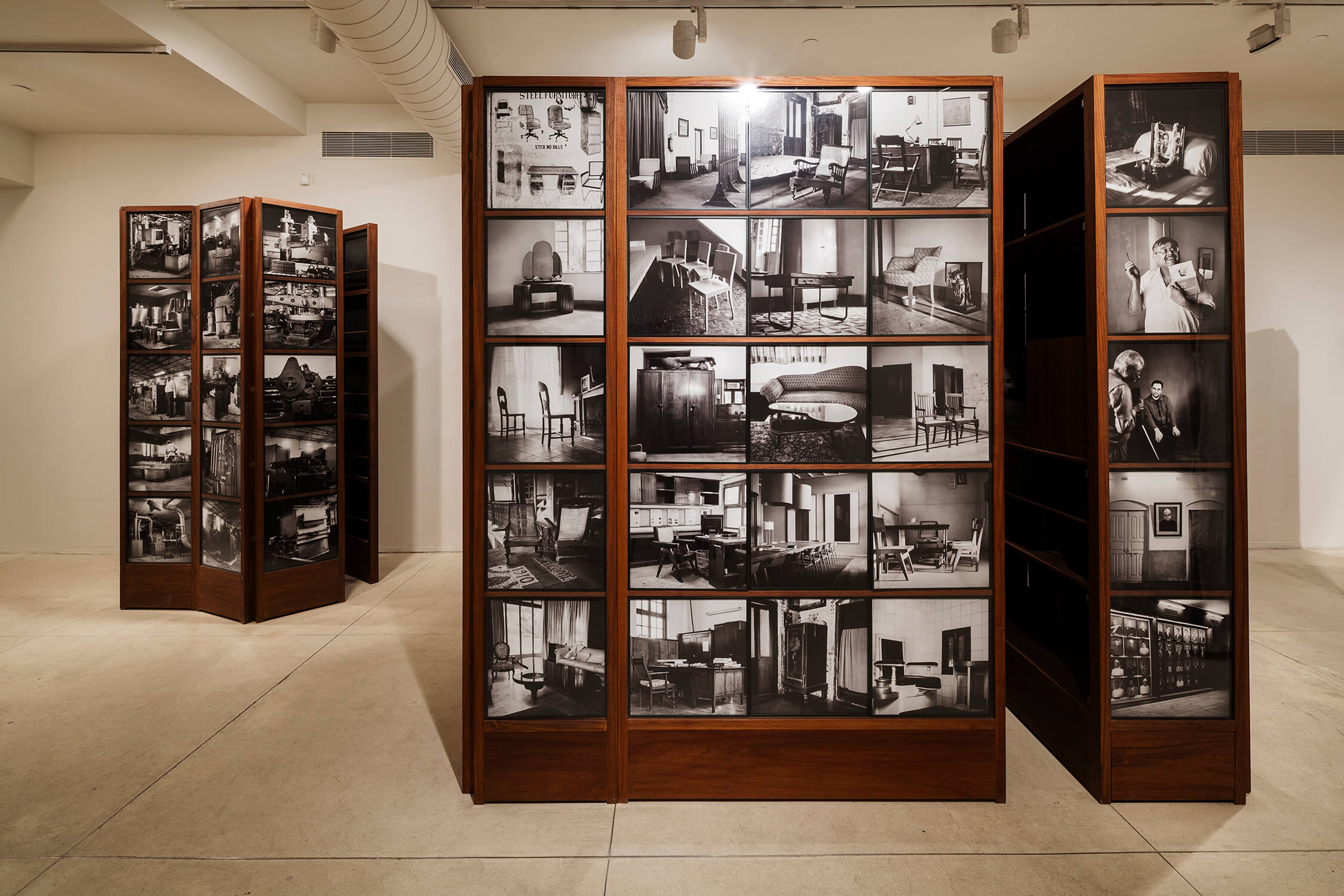
    In front of us is the Museum of Photography and behind it, or through it, we can see the Museum of Furniture.
    At the other end of the room is the Kochi Pillar on the left.
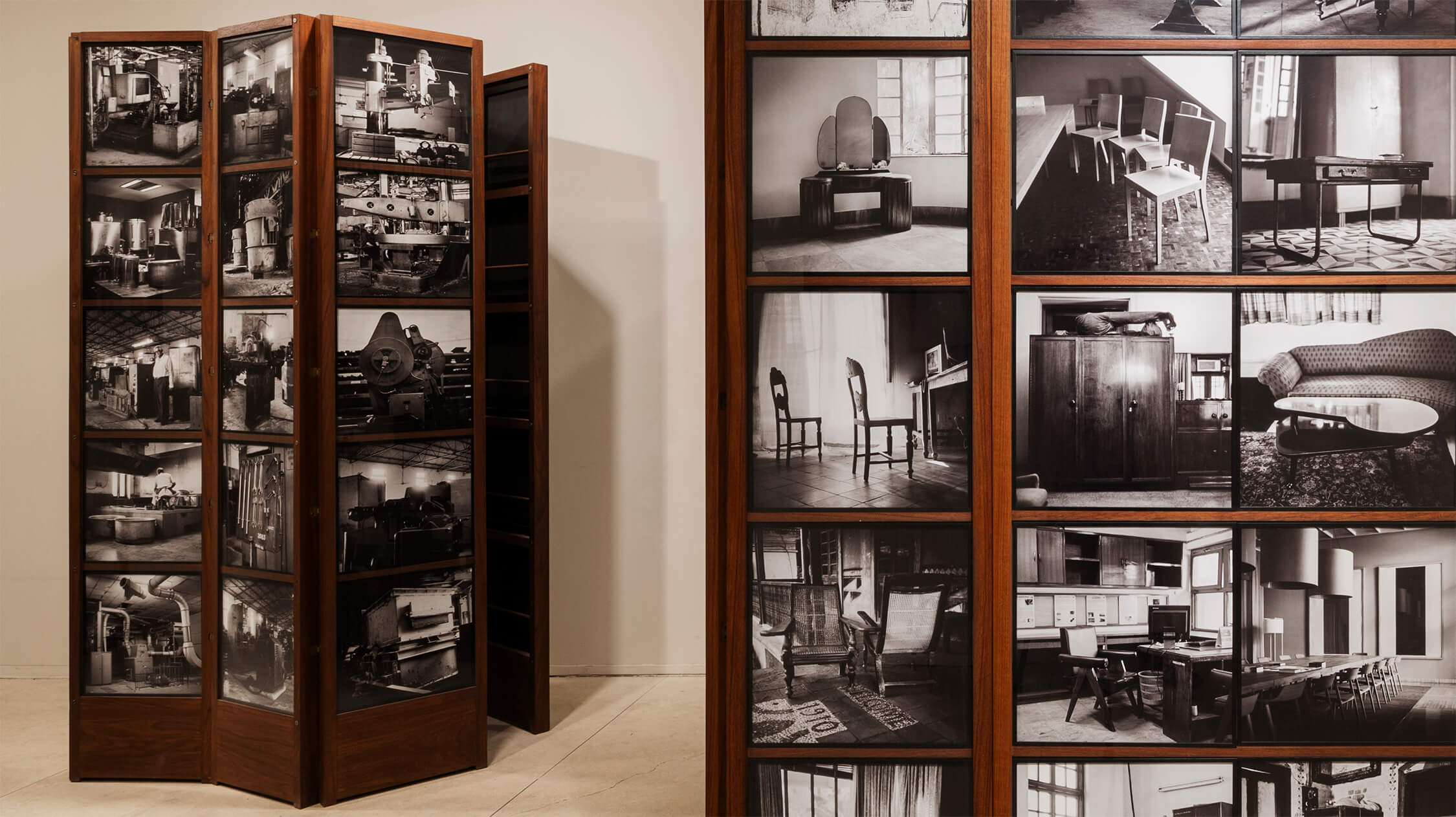
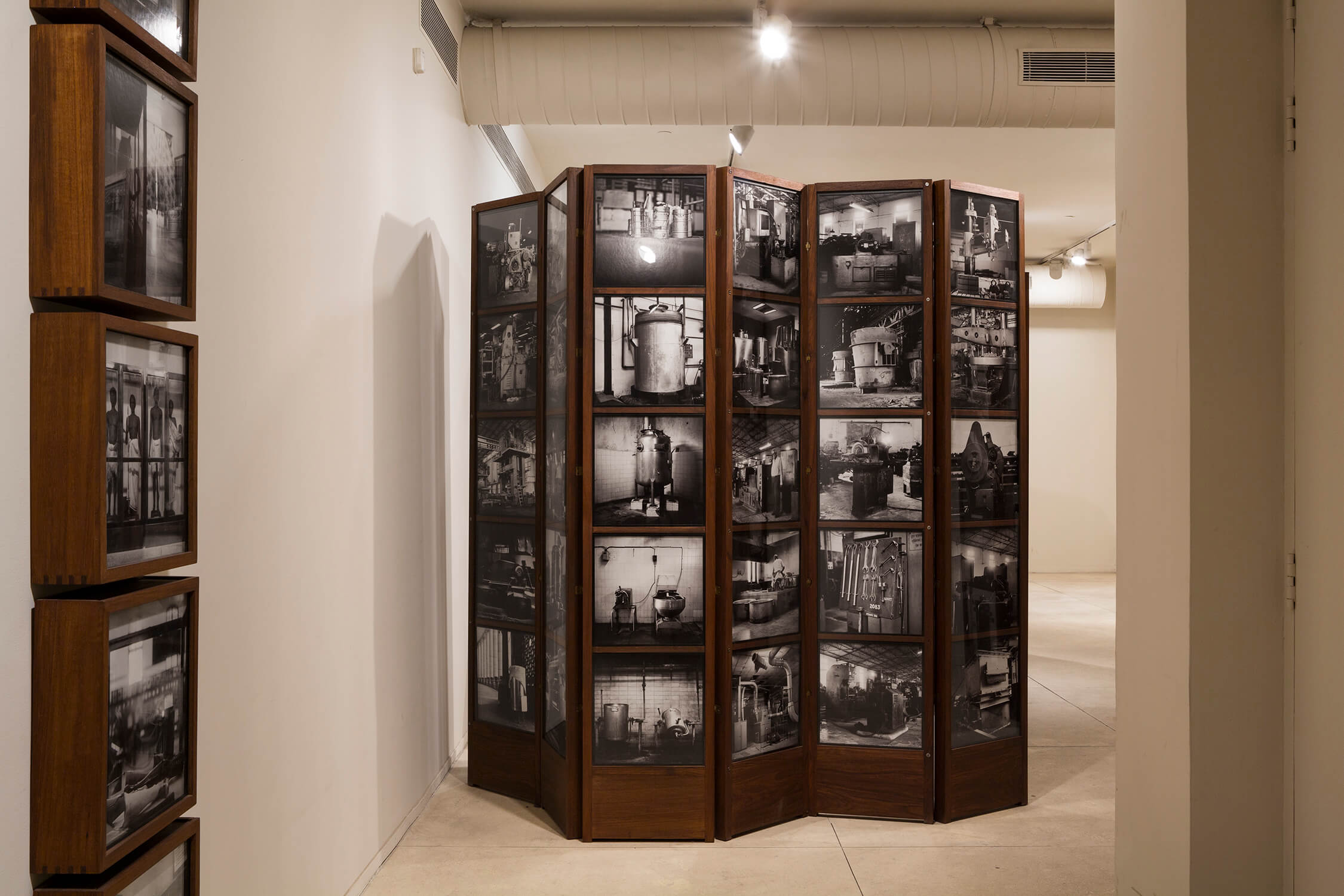
    And the Museum of Machines on the right.
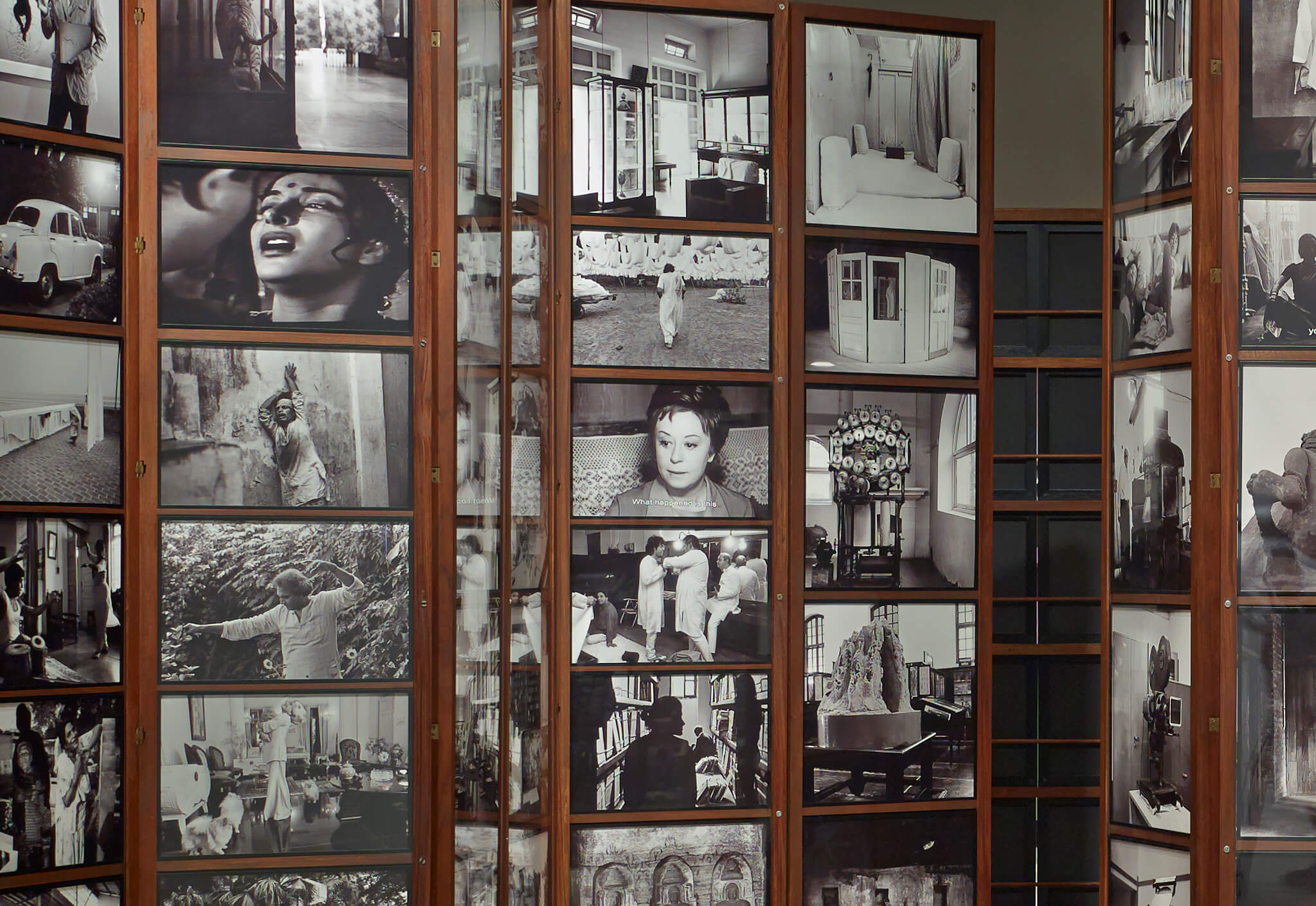
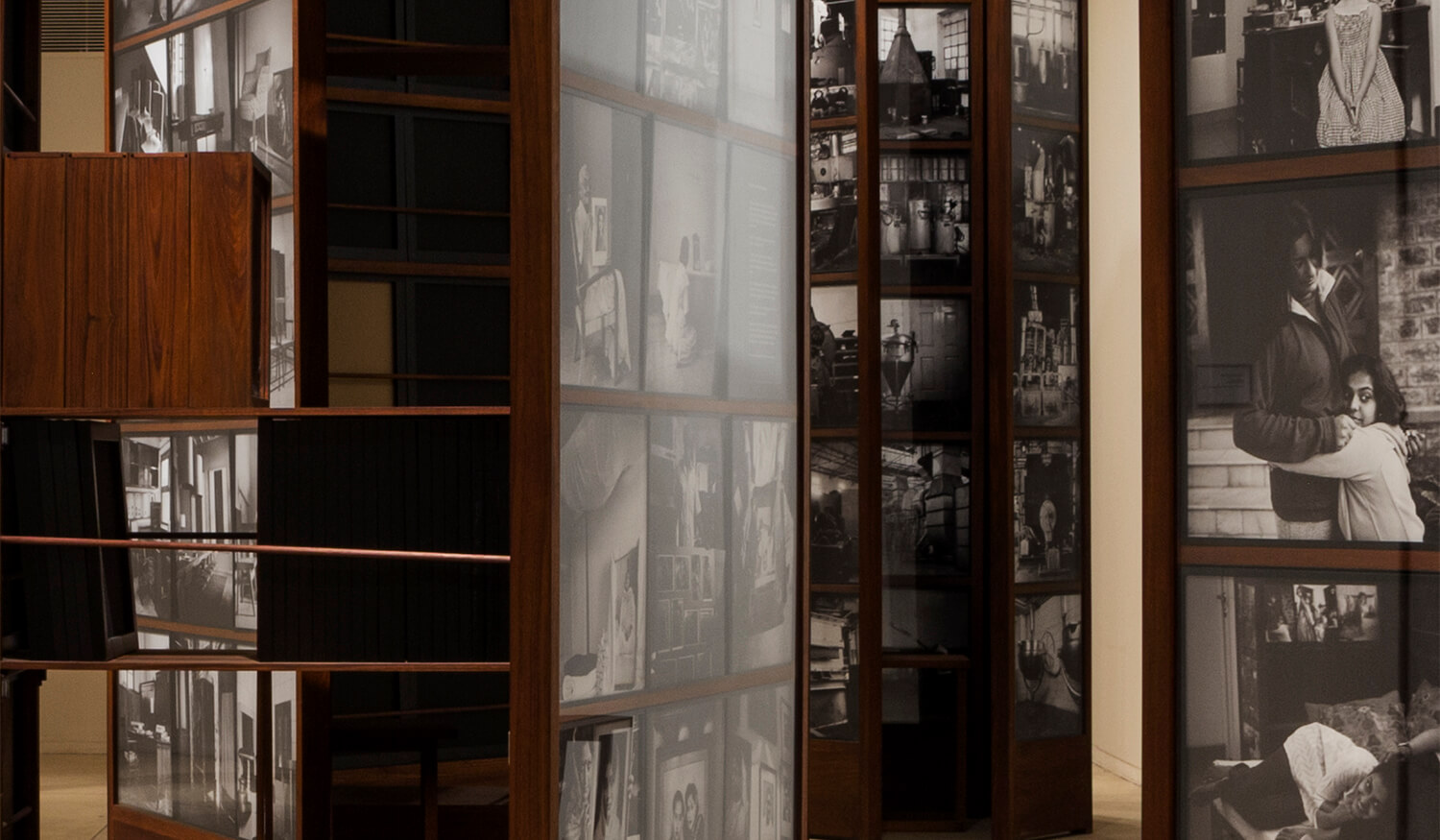
    Each museum displays images on the outside, sometimes interspersed with framed texts.
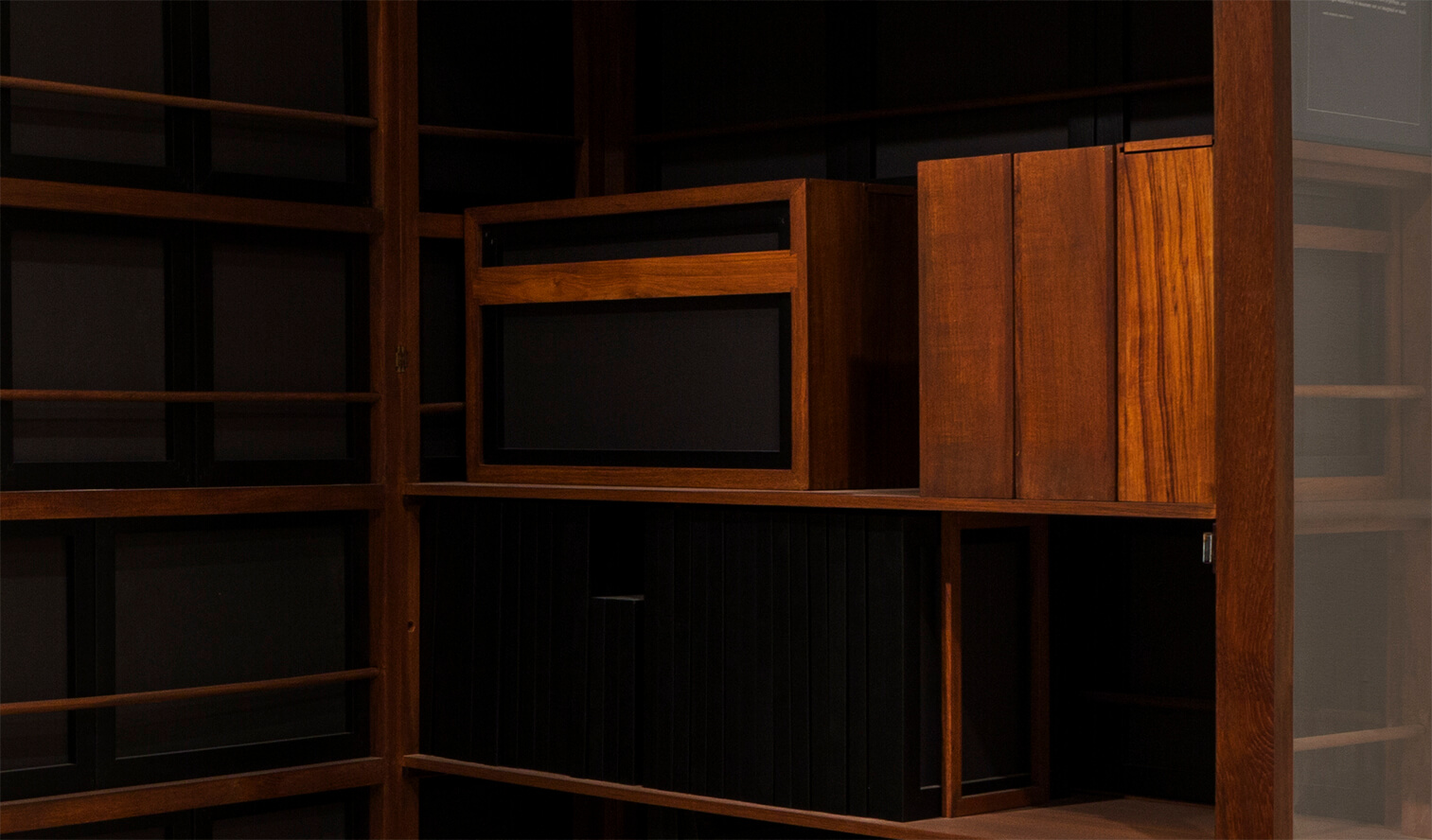
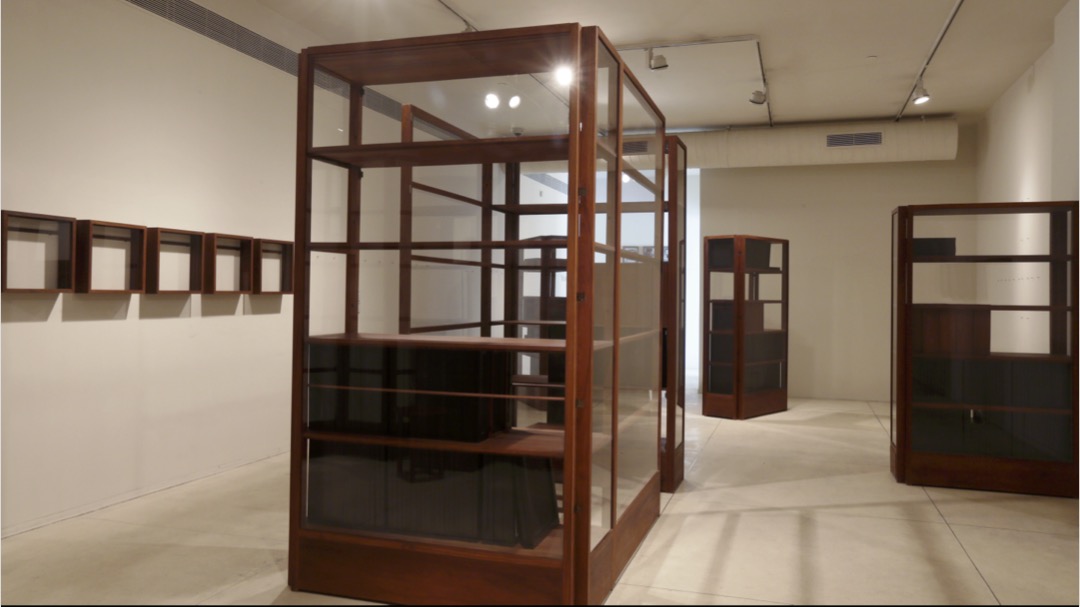
    It opens up to reveal a reserve collection of images stored inside.
    The images on reserve are often kept in boxes that may be taken out of the museum and displayed on the walls of the room in which the museums stand.
    Combining display and storage, inside and outside, image and structure, the museums can also form shifting relationships among one another. This compels viewers not only to look at the images but also to engage with the physical experience of moving among the arrangements of images in space.
    Within the family, Museum of Little Ladies (left) and File Museum (right) are distinct but also sibling museums. They can stand apart from, or reach out to, each other depending on how they are placed, open or closed. Images can also move across the museums to suggest hidden connections.
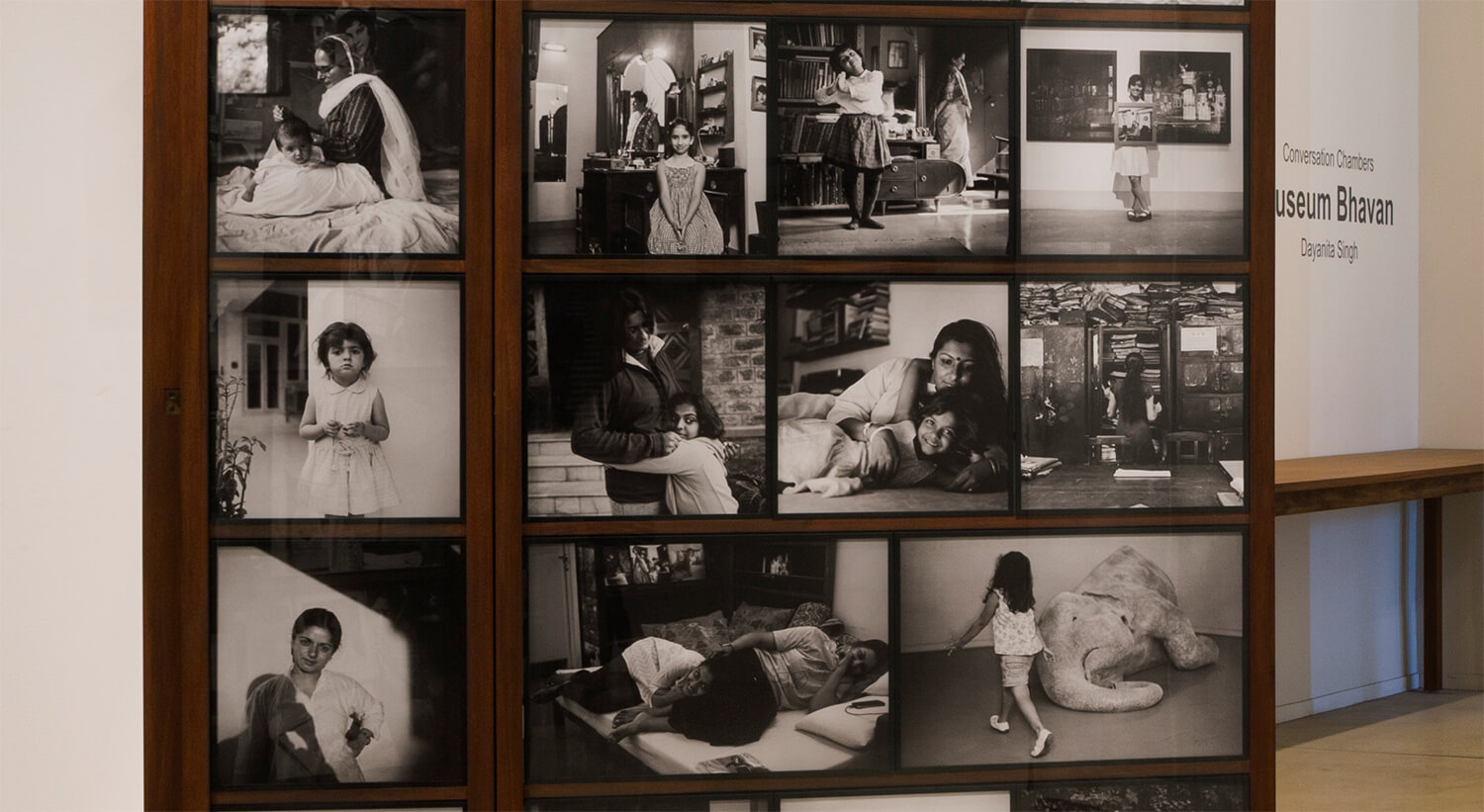
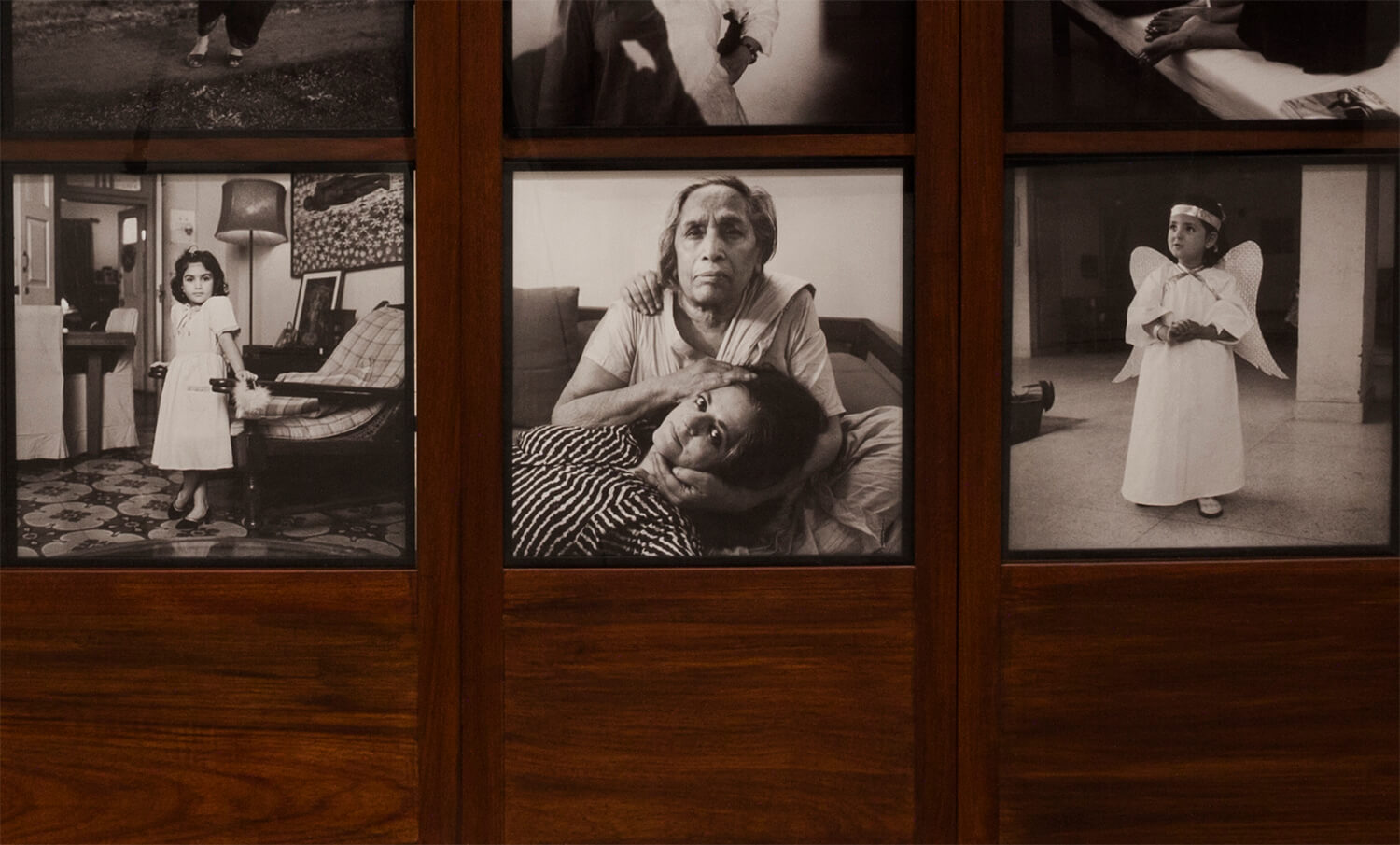
    The Museum of Little Ladies mingles photographs made by Singh's mother, Nony, of the artist and her siblings at different stages of their childhood with portraits made by the artist herself of various little girls and young women at different stages of their lives.
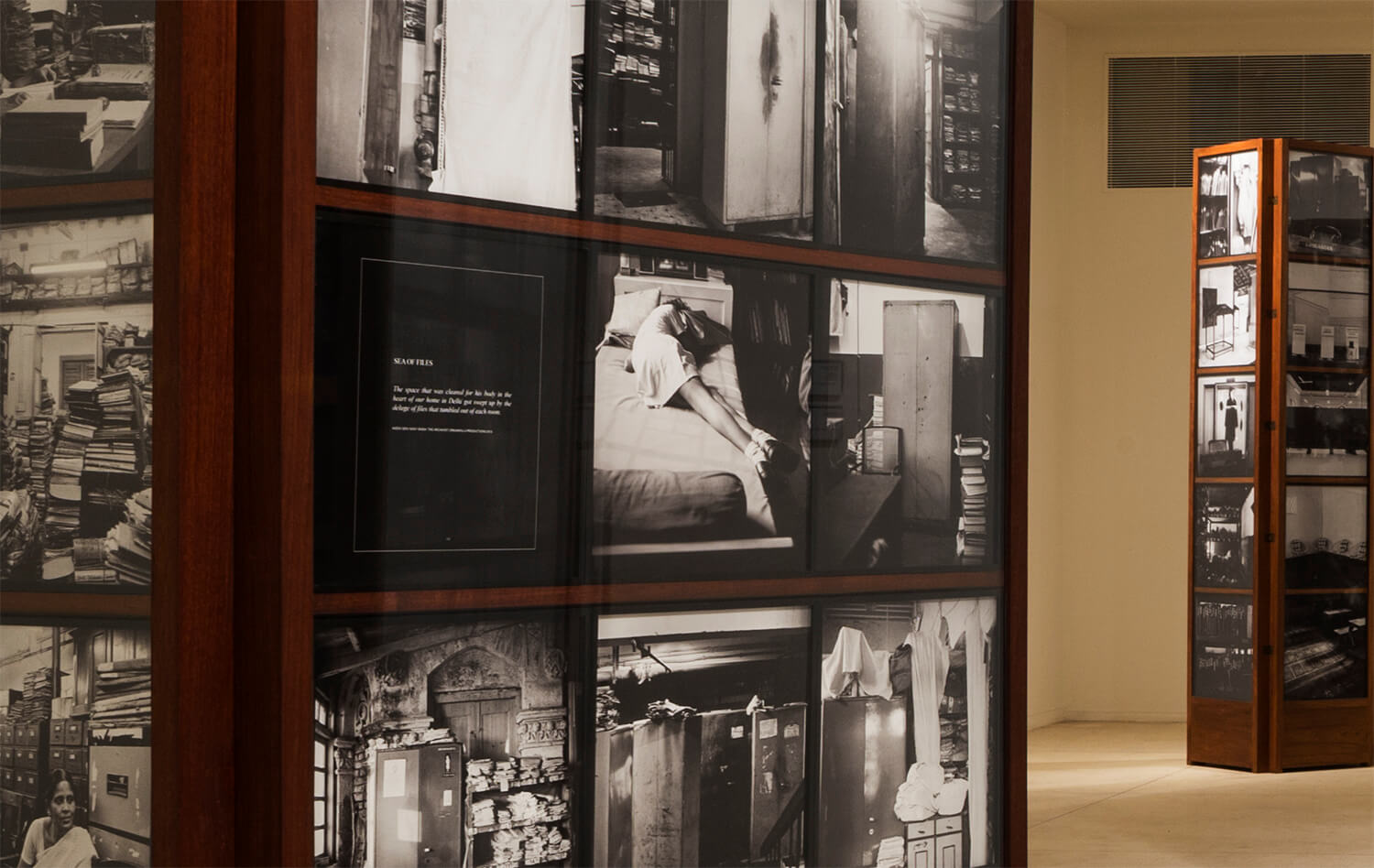
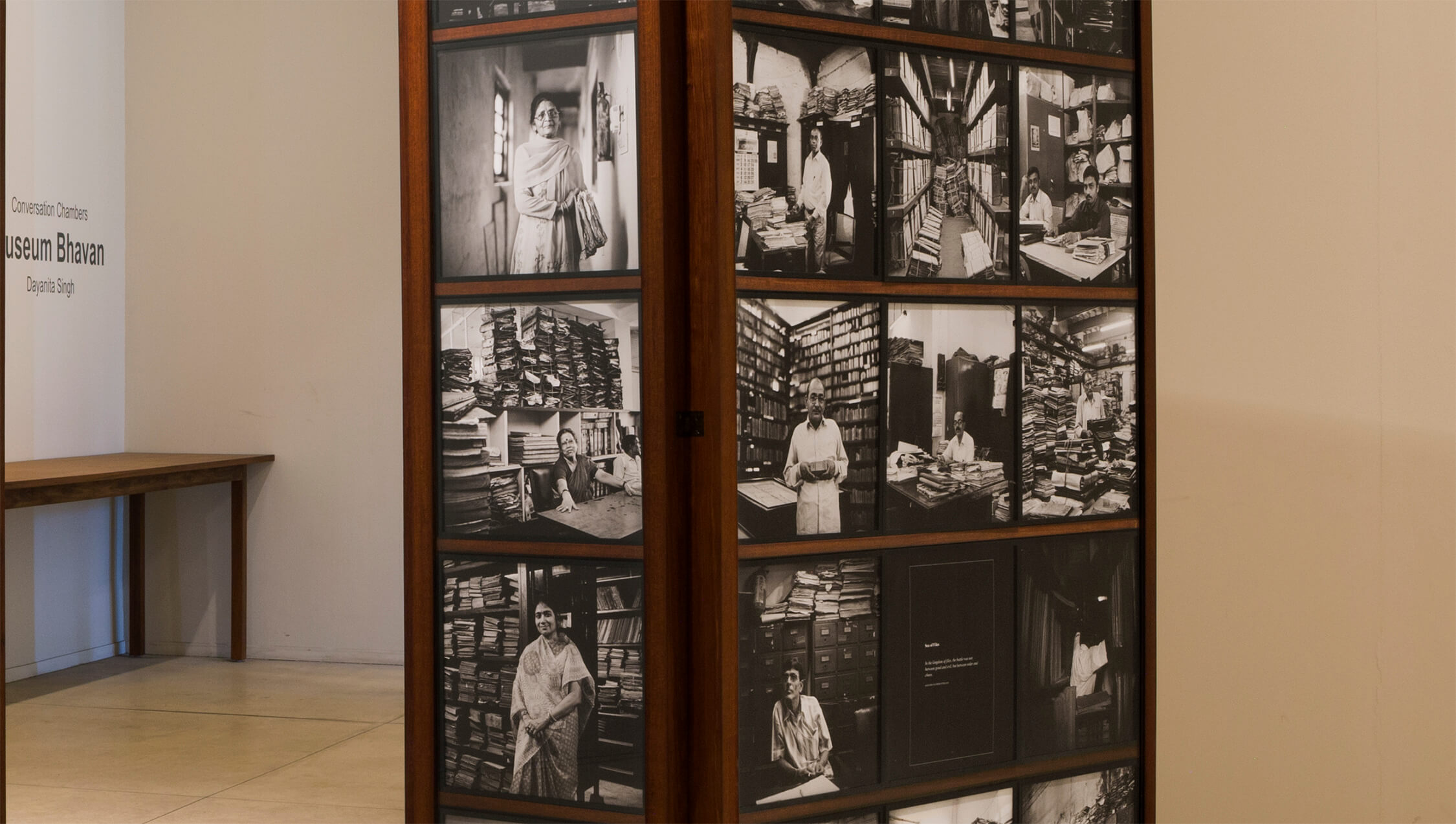
    File Museum collects images of working bureaucratic archives and of the people who maintain the mix of chaos and order in these archives.
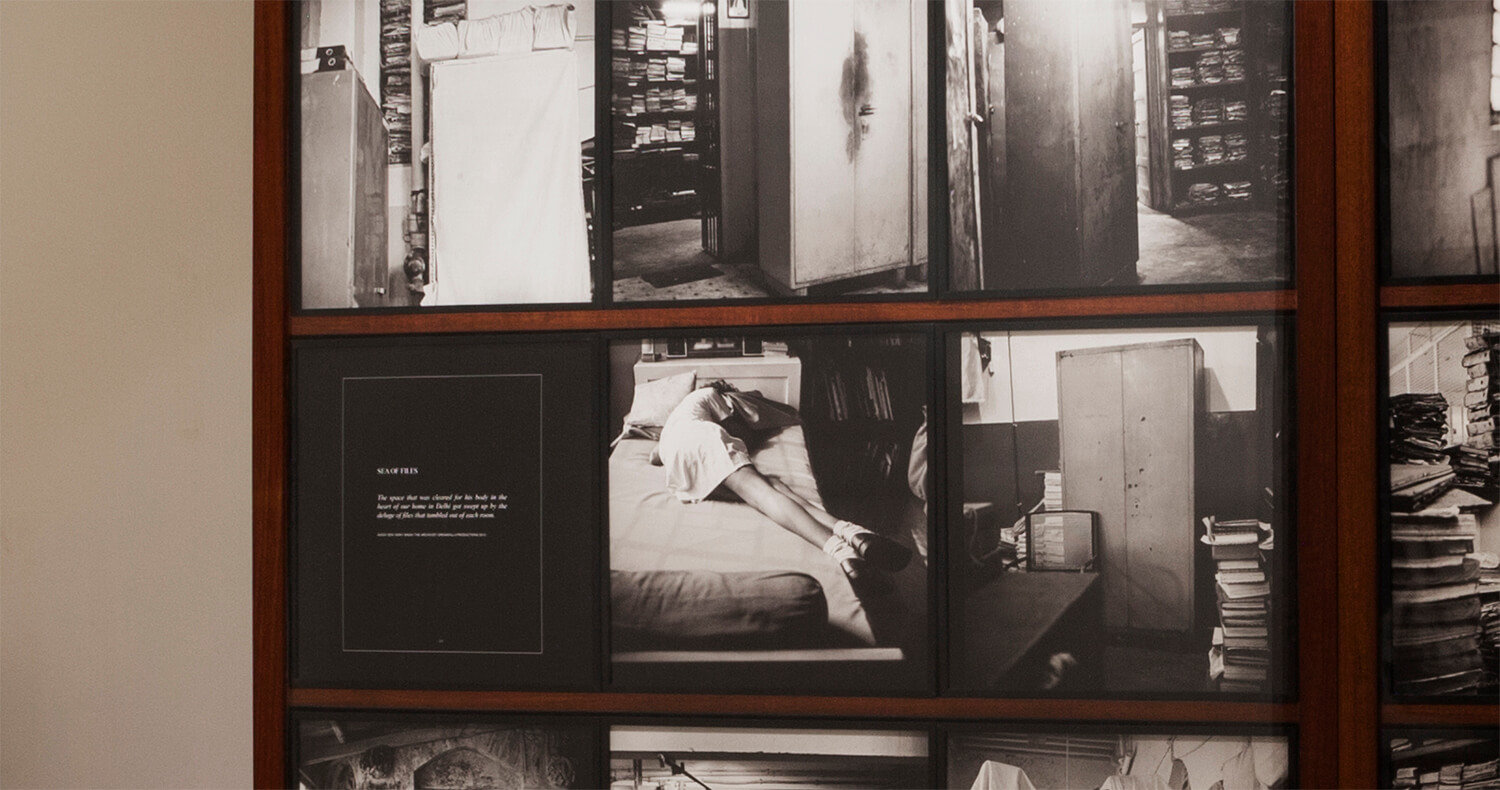
    File Museum was the first of Singh's museums. Its 140 images become not only an elegy to paper and its decay in time but also a record of the cupboards, tables and chairs, the lights and fans, that hold this forest of matter and data together in an age of inevitable digitization.
    But nestling in this timeless labyrinth is an image of a girl on a bed, one of Singh's iconic images, suggesting some secret traffic between the sibling museums.
    That girl on the bed assumes multiple forms in the Museum of Little Ladies. Its central panel is a chronological axis, a spine of time, formed by portraits of the artist made by her mother at key moments in her daughter's life.
    It recalls themes and characters from other bodies of work by Singh -- Mona Ahmed, for instance, with whom Singh began her career as a maker of photo-books.
    Just as the turning of the pages becomes part of the activity of reading a book, moving the arms of a museum to create different kinds of architecture become part of the organic life of these image-spaces. Book-making and museum-making are inseparable in Singh's work.
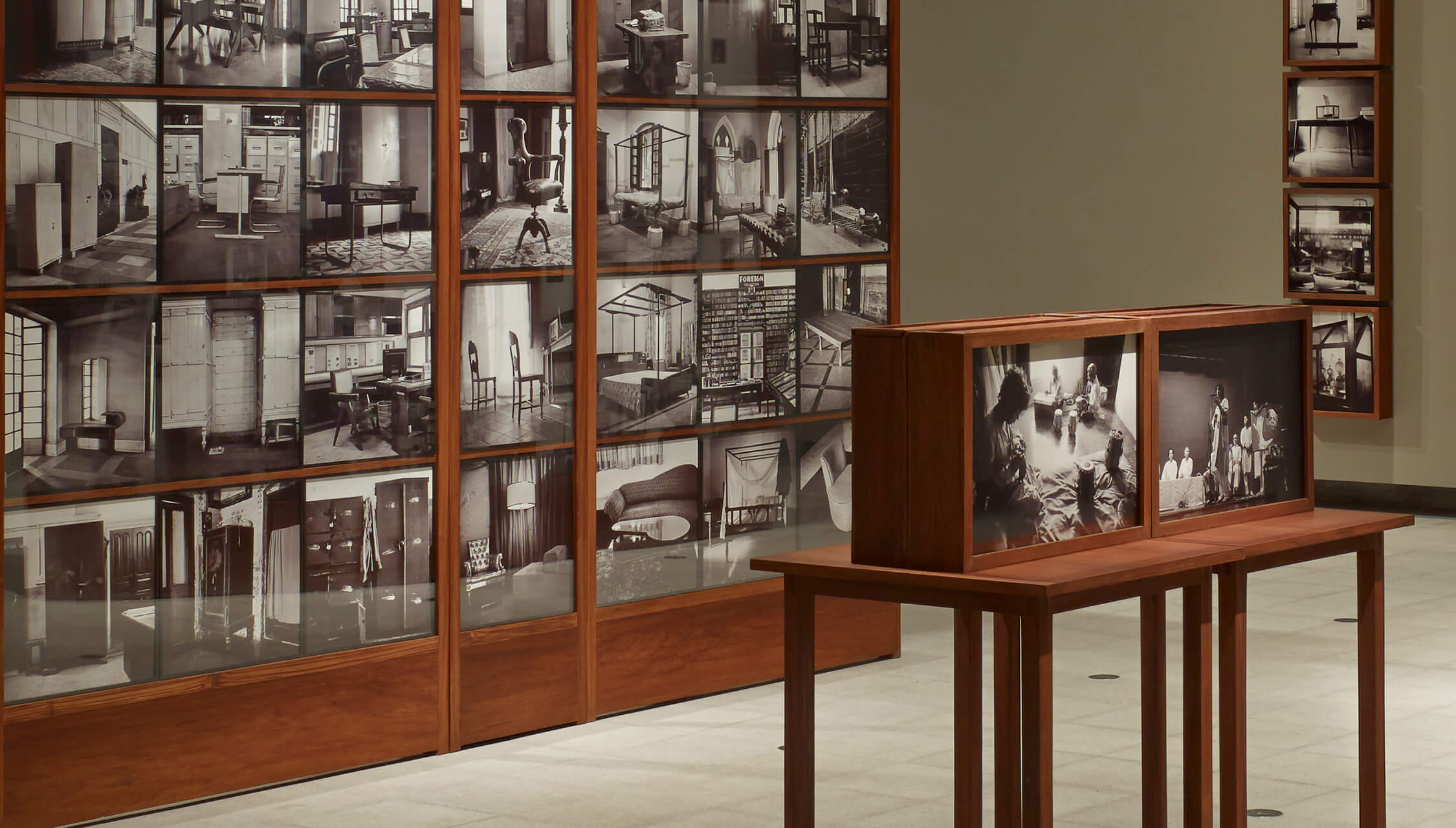
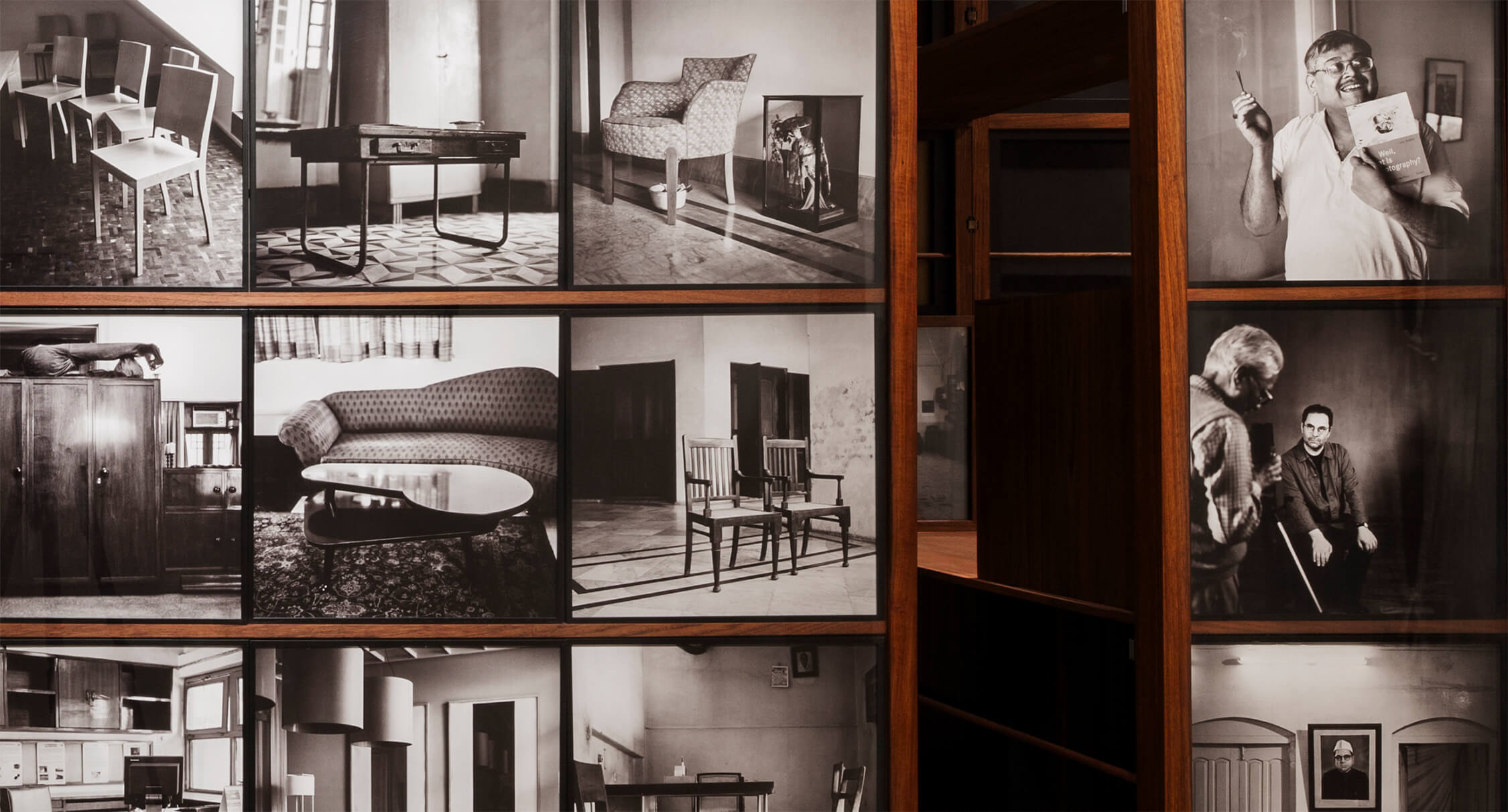
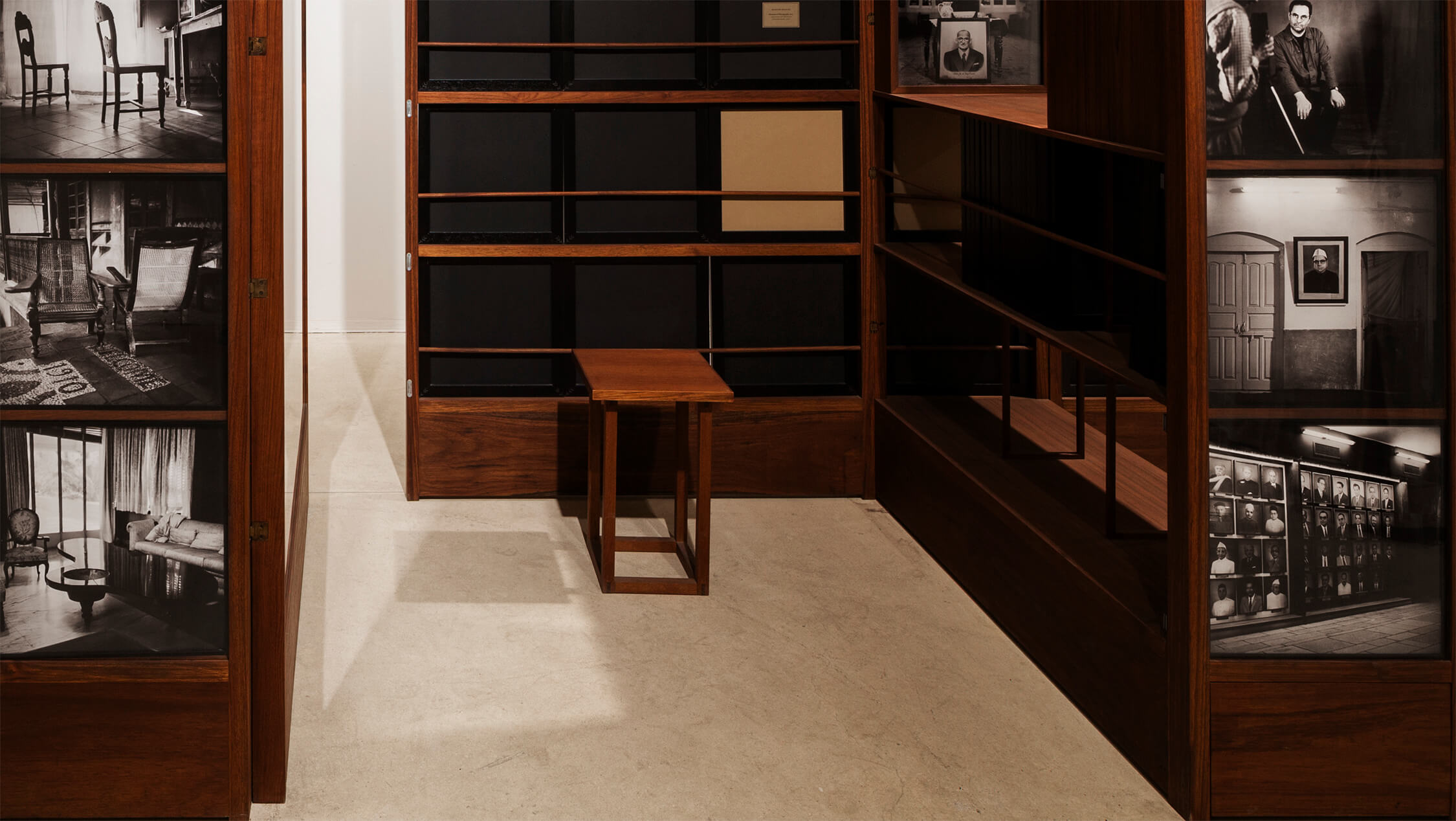
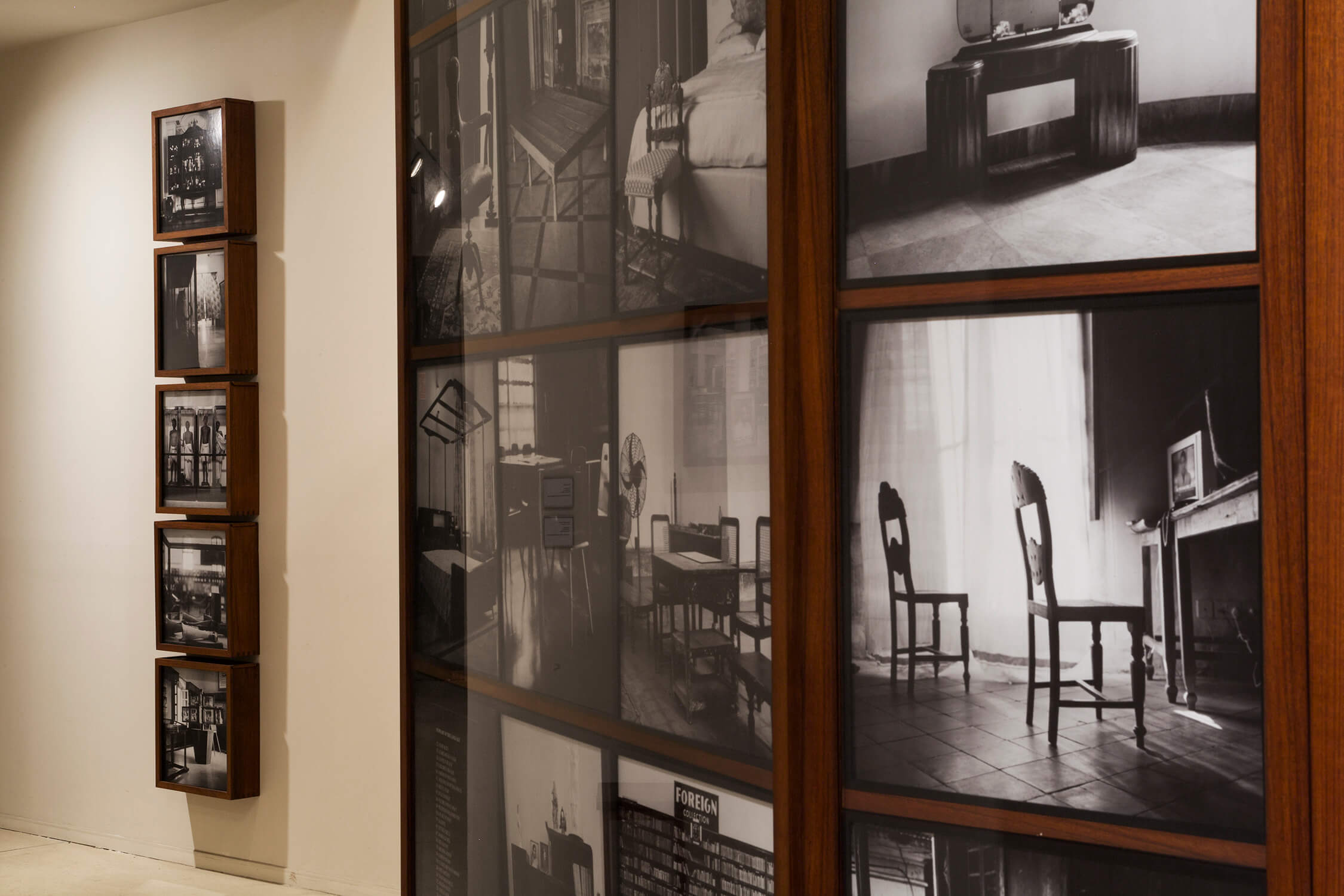
    If museums can be siblings, they can be cousins too, as the Museum of Furniture and Museum of Photography turned out to be. Beds and chairs have their unique way of marking the invisible presence of persons in the emptiest of rooms. But pieces of furniture are also like people.
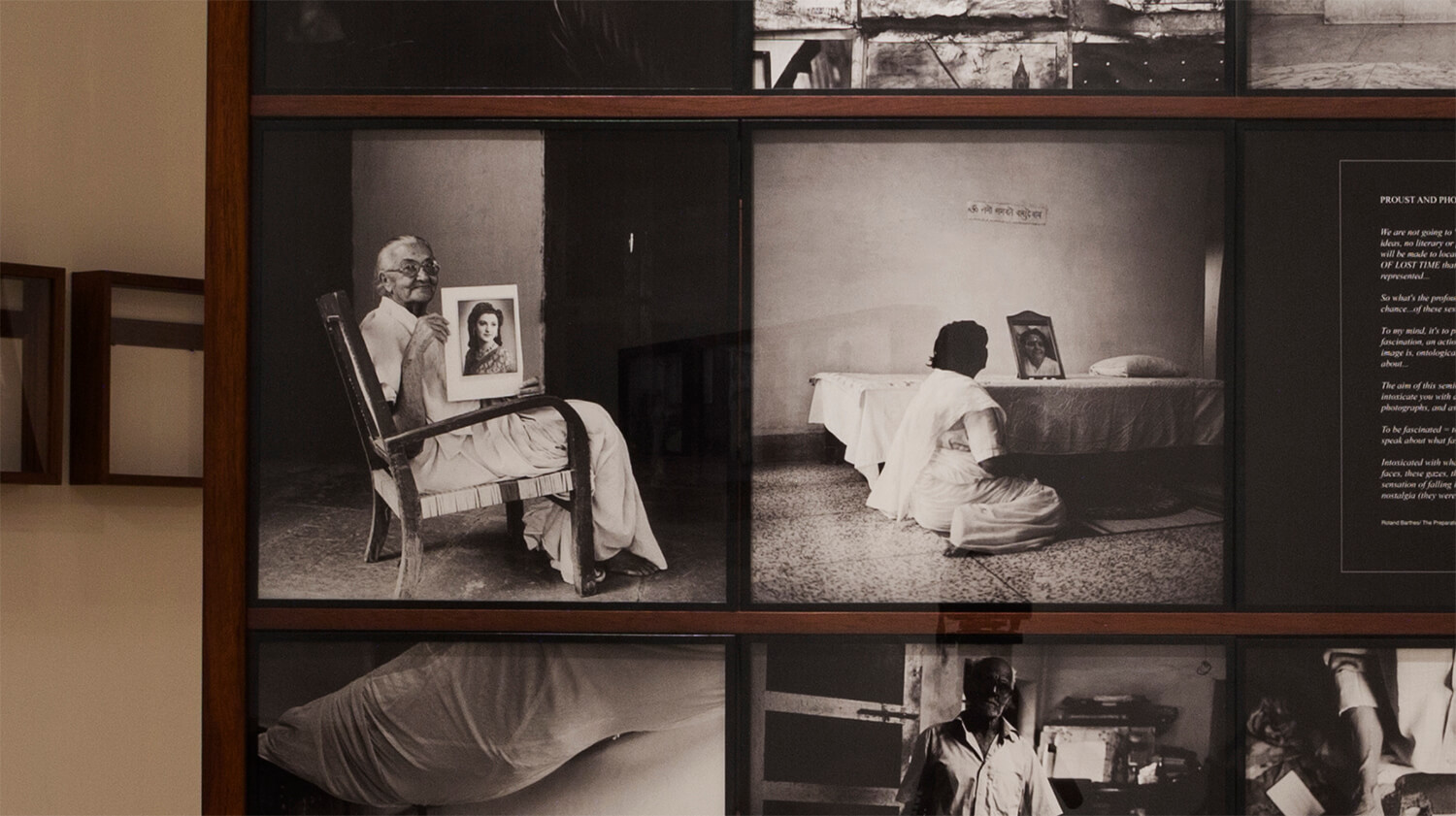
    So, the Museum of Furniture becomes a collection of portraits -- of individuals, couples and groups. Meanwhile, the Museum of Photography gathers together the many ways in which human beings live with images, creating spaces and rituals around their changing relationships with these images.
    So, the whispering chamber created by Furniture and Photography reveals its own seat that could turn it into a room for solitary thought, if the viewer has the time for it.
    In all this structural flux, the Museum of Furniture took another name, at a certain time, and became the Museum of Conversation.
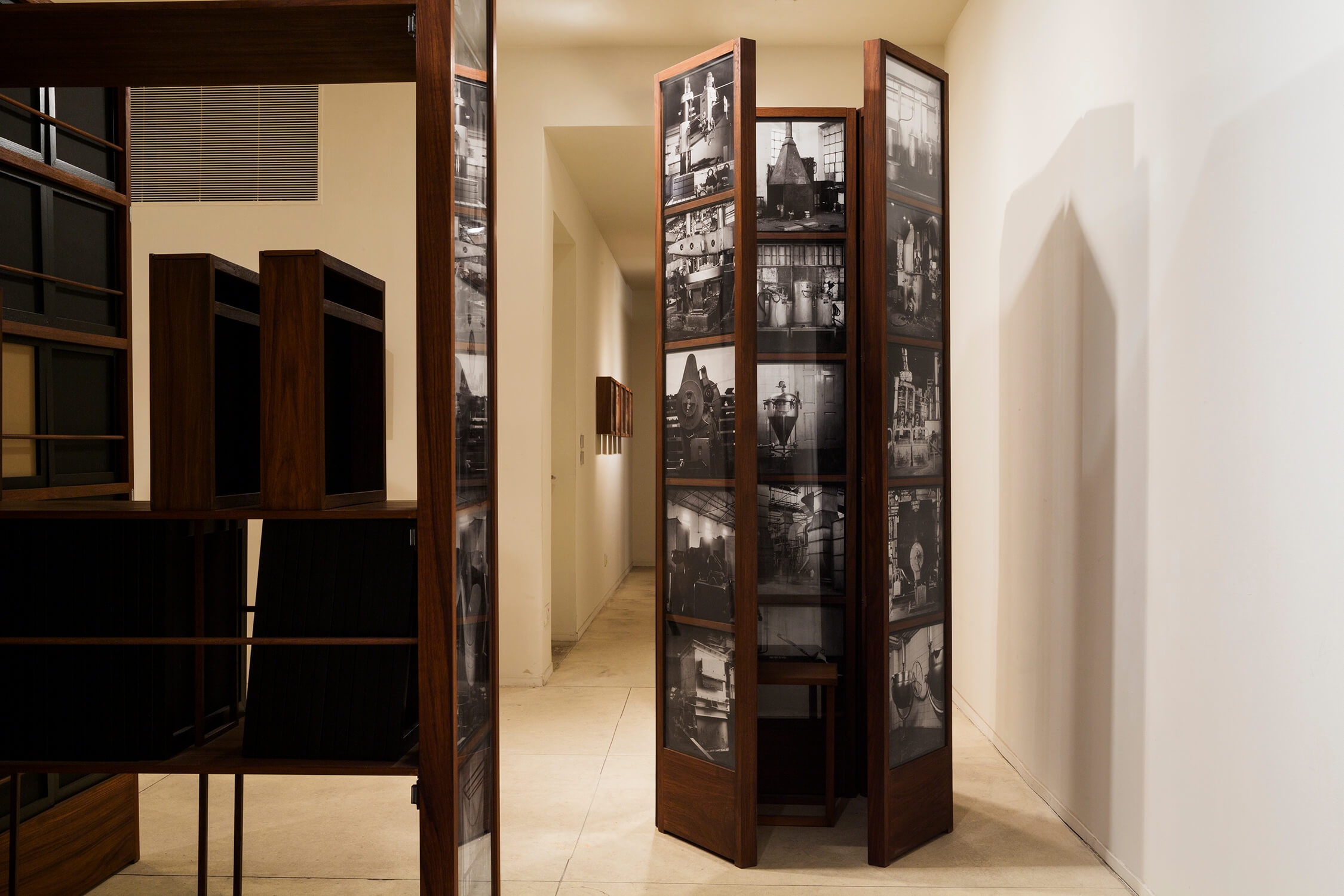
    Meanwhile, the Museum of Machines opens up to become less pillar-like, as photography aspires to the conditions of sculpture or architecture, to entice and embrace the human body.
    Museums also give birth to other museums. The Museum of Furniture, for instance, produced the Museum of Vitrines, which hangs behind it on the wall. As the furniture for both display and storage, vitrines become the homes for objects, preserving them both in and out of time.
    The Museum of Men stands shrouded in white on one side, its images glimmering from behind the unbleached cotton cloth. This is how the museums are veiled when they return to Singh’s residence between their travels.
    In the Museum of Photography, the women holding their own portraits become images as well as contemplators of their own mortal passage through time.
    Next door, the Museum of Machines opens its arms to turn into a Confession Chamber. Visitors are invited to make their appointments to enter and sit on the stool inside to commune with their favourite machine.
    Poised between the domestic and the institutional the museums hold in their structures two kinds and scales of looking, editing, connecting and interpreting, the lines between which are blurred continually.
    The Kochi Pillar was unveiled by Bose Krishnamachari and Riyas Komu on 31st January, 2016. It is a distillation of Singh’s “1.9.2014 Dear Mr Walter,” shown at the Second Kochi Biennale.
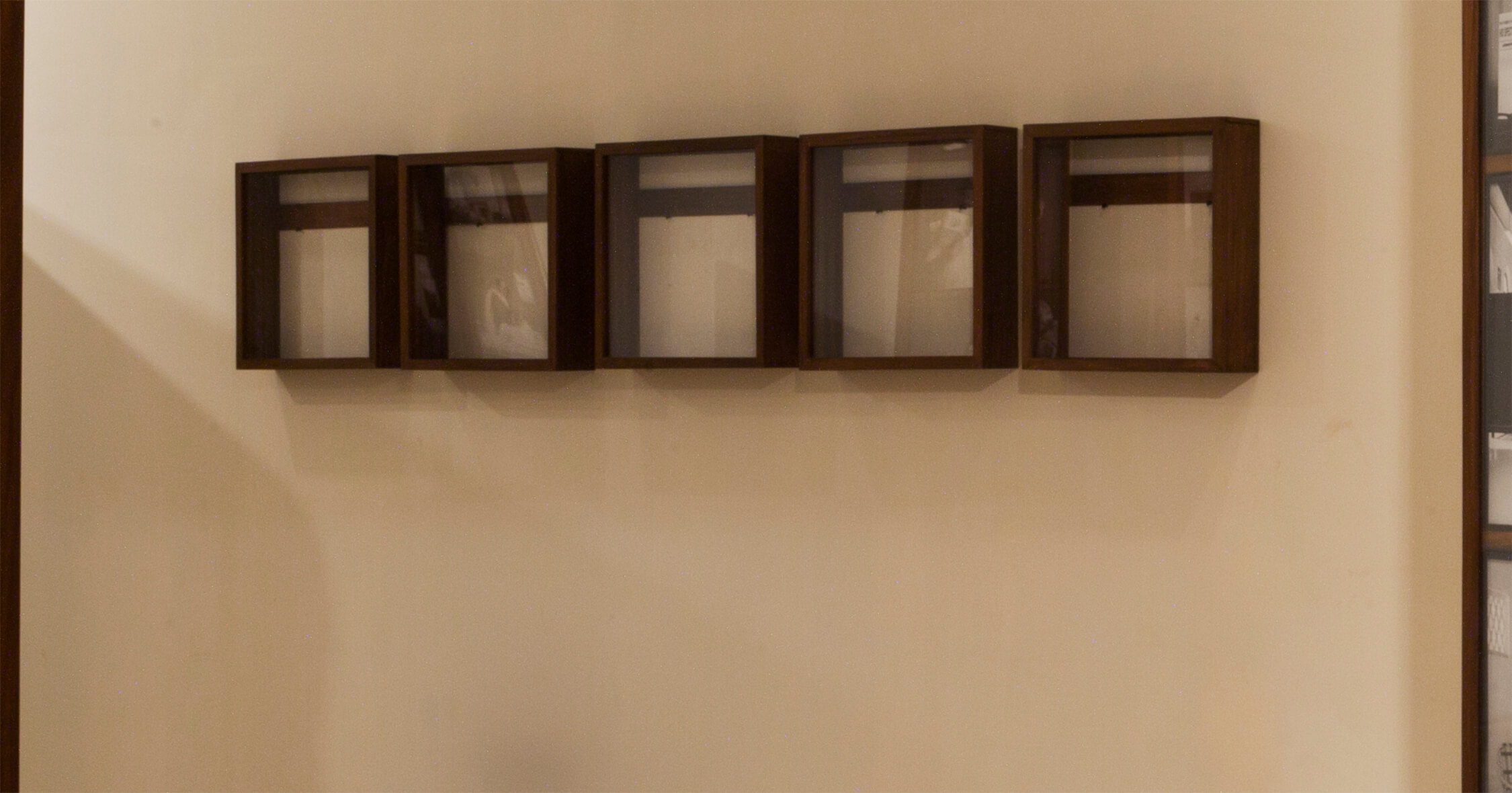
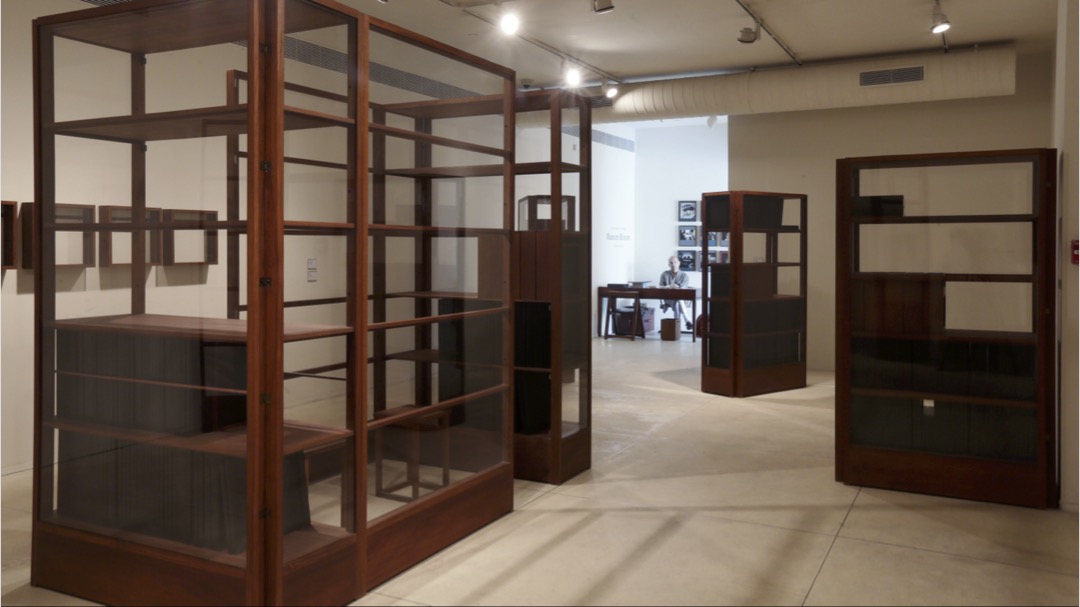
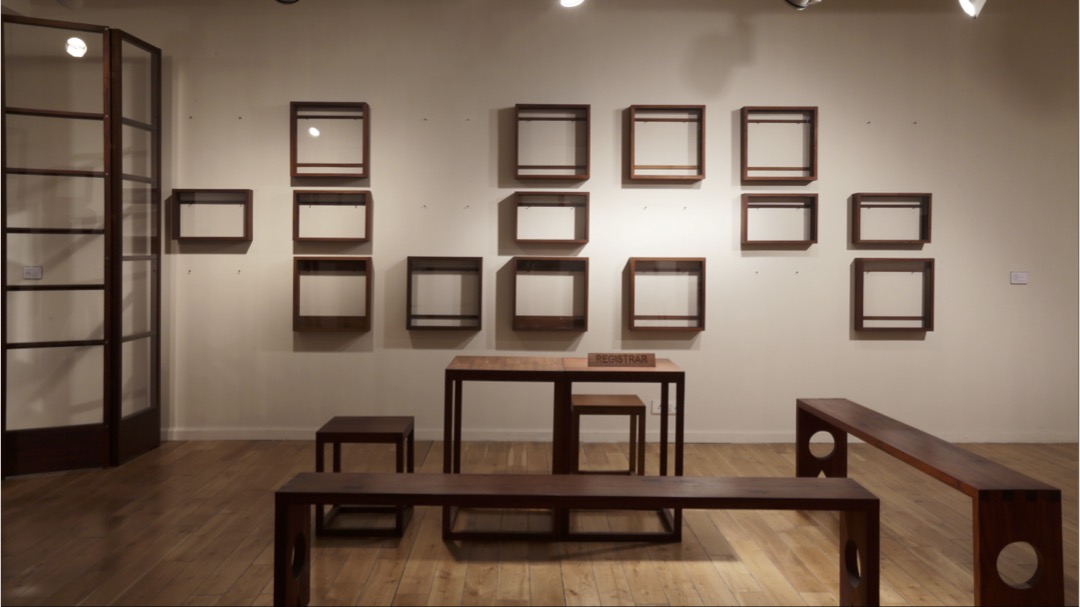
    On the wall, a row of empty boxes hangs, waiting to be turned into the Office Museum, which is incubating in the Museum of Furniture. broken visual planes as well as an inside space. The latter turns into a kind of room that both beckons the viewer in and keeps them out in a limbo between inside and outside.
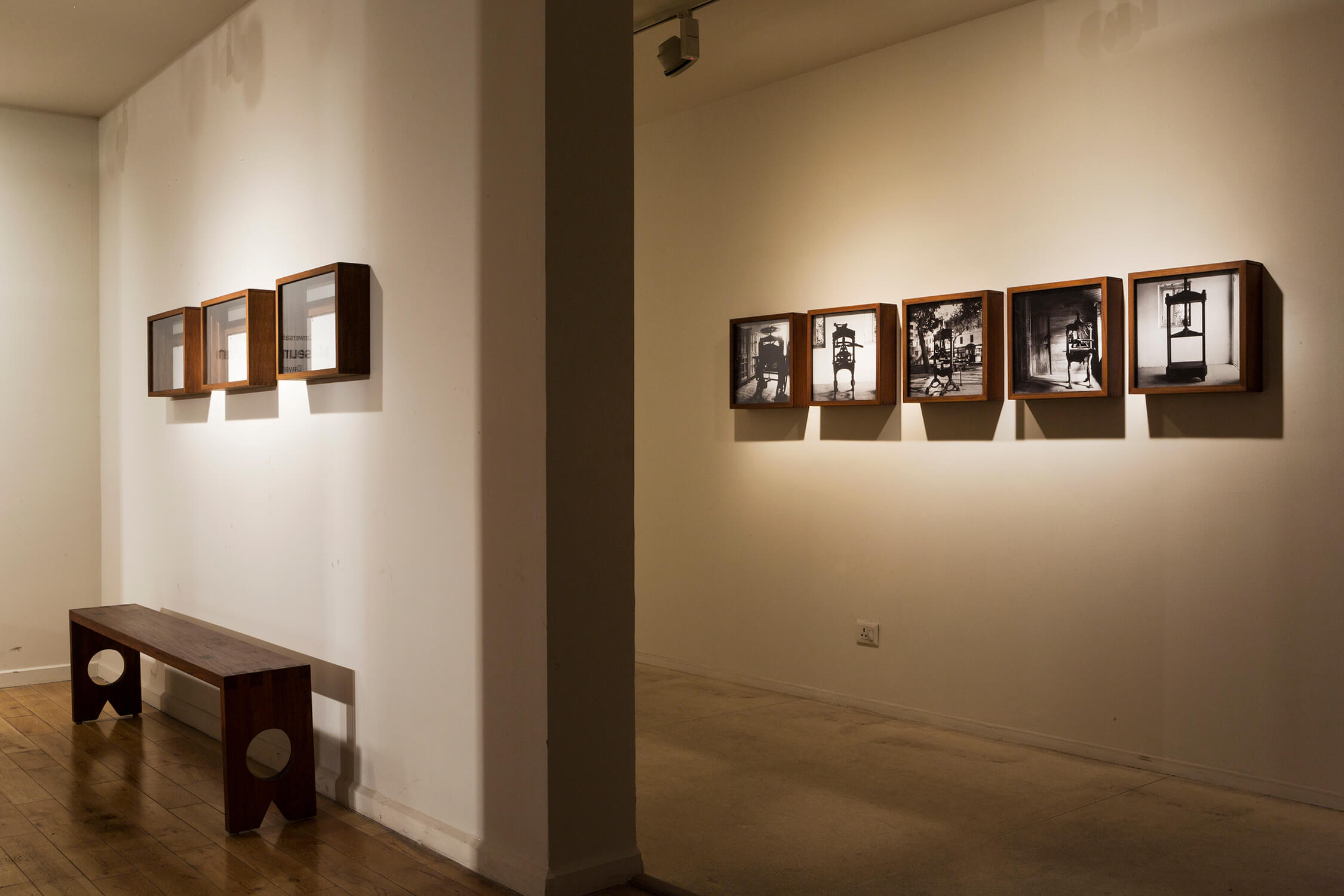
    Like pieces of furniture and the machines, the strange objects in the Museum of the Printing Press are both images from a history of the book and a typology of bizarre creatures and forms.
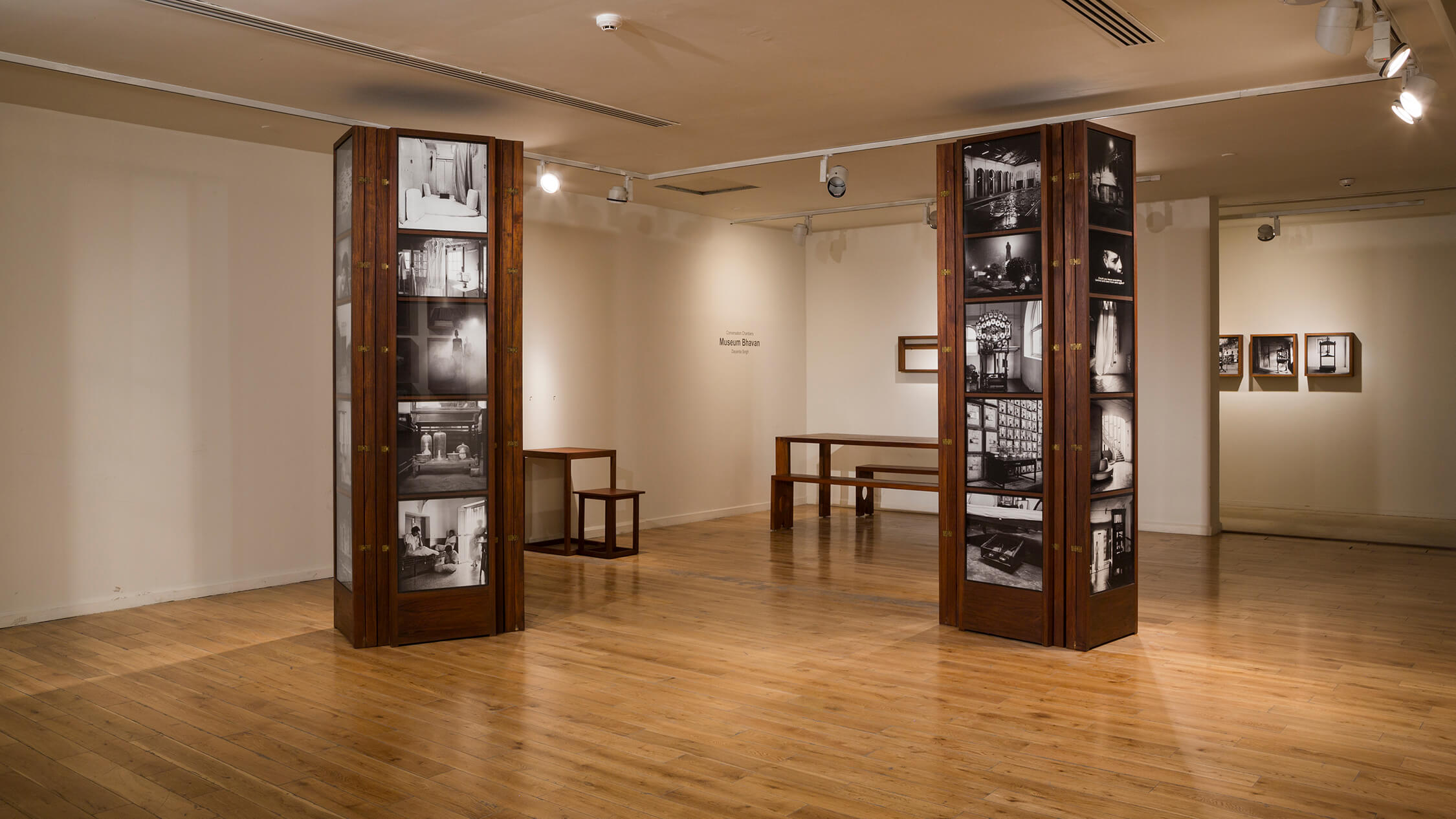
    Some of the printing presses were originally part of the Museum of Chance, made up of two gigantic pillars that open up in different ways to form a large, single chamber for conversation with its own stools and table.
    Museum of Chance, closed or open, affords a place of conversation founded on chance encounters between people as they contemplate the endless relations among vertical, horizontal and diagonal sequences held together in the monumental embrace of Chance.
    That embrace waxes and wanes in order to create different patterns of viewing and movement in the visitors who are invited to both encircle and enter, as there are images and text on both sides of the museum.
    Chance works on a different scale from the other museums, more monumental than domestic, evoking a range of photographic and architectural associations and memories, from hugely enlarged contact sheets to distant urban house-fronts and skylines.
    As the two halves of the museum fan out and start to form a large chamber, what begins to change in complexity is not only the visual but also the auditory. The acoustics of both the venue and the gradually forming museum chamber gets transformed continually.
    A visitor inside the chamber dwells in solitude and silence in that interior space. But outside, there could be people who are not visible but are audible from inside, and therefore become part of the experience of the inside. And the same could be said of a visitor contemplating the images on the outer surface of the structure.
    Finally, when the entire museum opens out, it could be made to exist in many different forms, from a simple enclosure to an ever-changing labyrinth. None of the labyrinth's planes and passages may be visible from a single vantage point. But the viewer is never allowed to contemplate the experience of photography as an encounter with a single image, but as a fluid, yet rigorously controlled and authored, constellation of images and forms
    Depending on what the viewer brings to this museum, Chance could prove to be a prolific goddess. One viewer was invited by the artist to create an entirely new museum out of the Museum of Chance. He called it the Museum of Erotics, and it hangs on the wall here alongside Chance. Beginnings and endings come together in this journey of self-engendering museums as Mona Ahmed returns to this particular instance of a museum within a museum, to make longing, loss and the passage of time part of the same ongoing story.
    At the finale of the exhibition at the Kiran Nadar Museum of Art, the images from all the Museums went into their respective storage areas. There were no photographs to be seen at all. Instead, there were just the frames, the memories of the images and the possibilitiy of images yet to come: images that a viewer might bring or even images that may never be seen. So, ultimately, the shedding of images paved the way, and the closing of Museum Bhavan became the opening of a new work.

    Search