“I like visual novels, the novels that lurk in pictures, with a contemporary consciousness of ruptures, blockages, surprises, interruptions, Steve Reich’s rhythms and frictions. In books, turning a page is more than a movement.”
—Walter Keller/House of Love
House of Love is a book of nine short stories that investigates the possibilities and intersections of photography and the written word. Can images be read in the same way as text? Can text say that which is ‘unsayable’, in the way that pictures often do? In what ways can photographs transcend their presumed tautology to open up new possibilities and hidden meanings?
Singh often looks to literature when she feels limited by existing forms for photography and, with House of Love, she turned to fiction. Drawing most specifically on the works of Italo Calvino, she approached building her photographic edit and sequence “in the way that a novelist works with words”. Conversely, her concerns extended to the opposite enquiry as well: if language could work like image. She asked the writer Aveek Sen to contribute texts of his own, to take on the challenge of using words to communicate like photographs.
The result was a renewed approach for Singh, a new vocabulary in both image-making and editing that she calls ‘photo-fiction’.
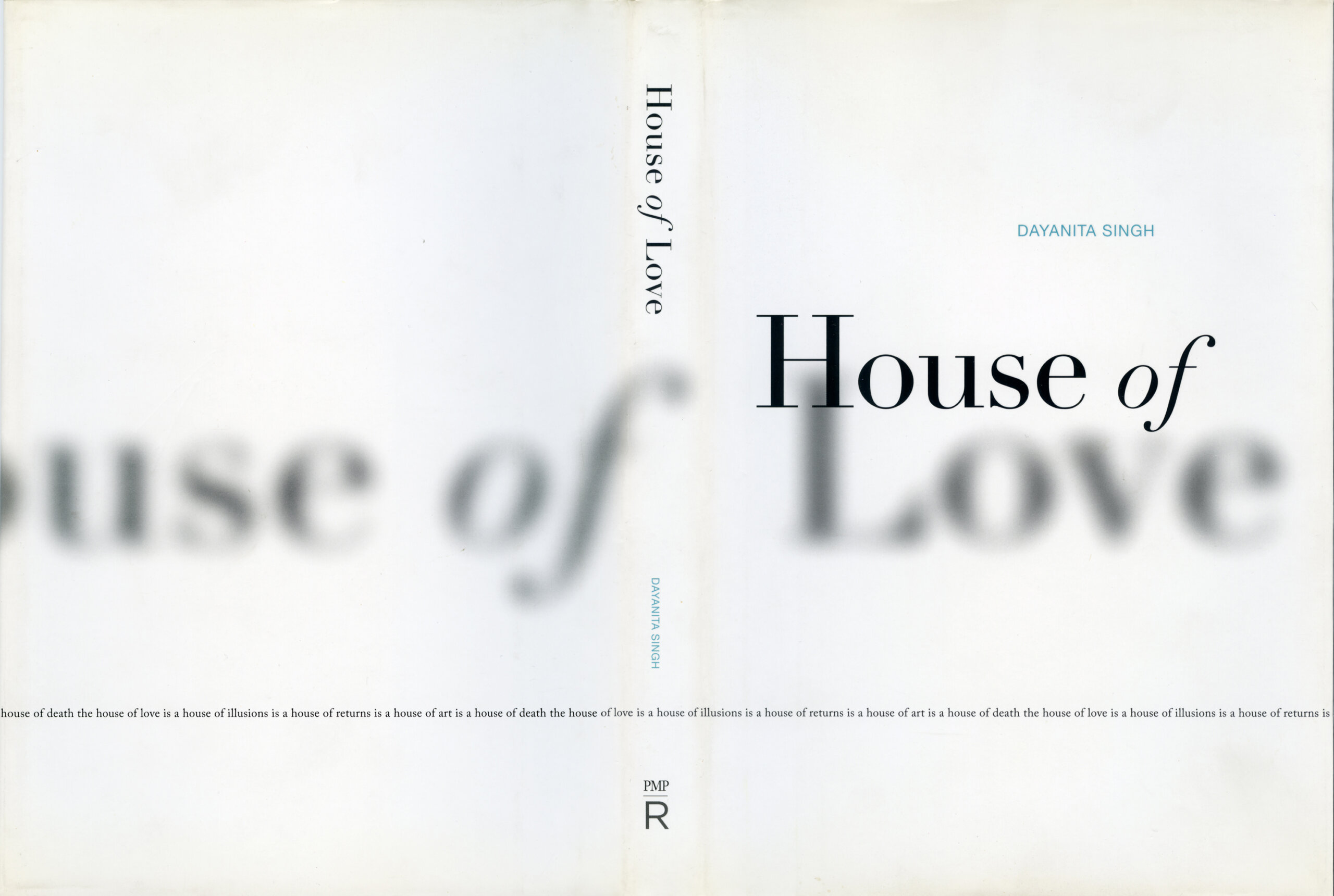
House of Love is designed to resemble a novel rather than a photobook. Mimicking the size and heft of an American hardback, it even replicates the white dust jacket of Calvino’s Adam, One Afternoon. (“I had wanted someone to accidentally or mistakenly place it in the literary section,” Singh recalls.)
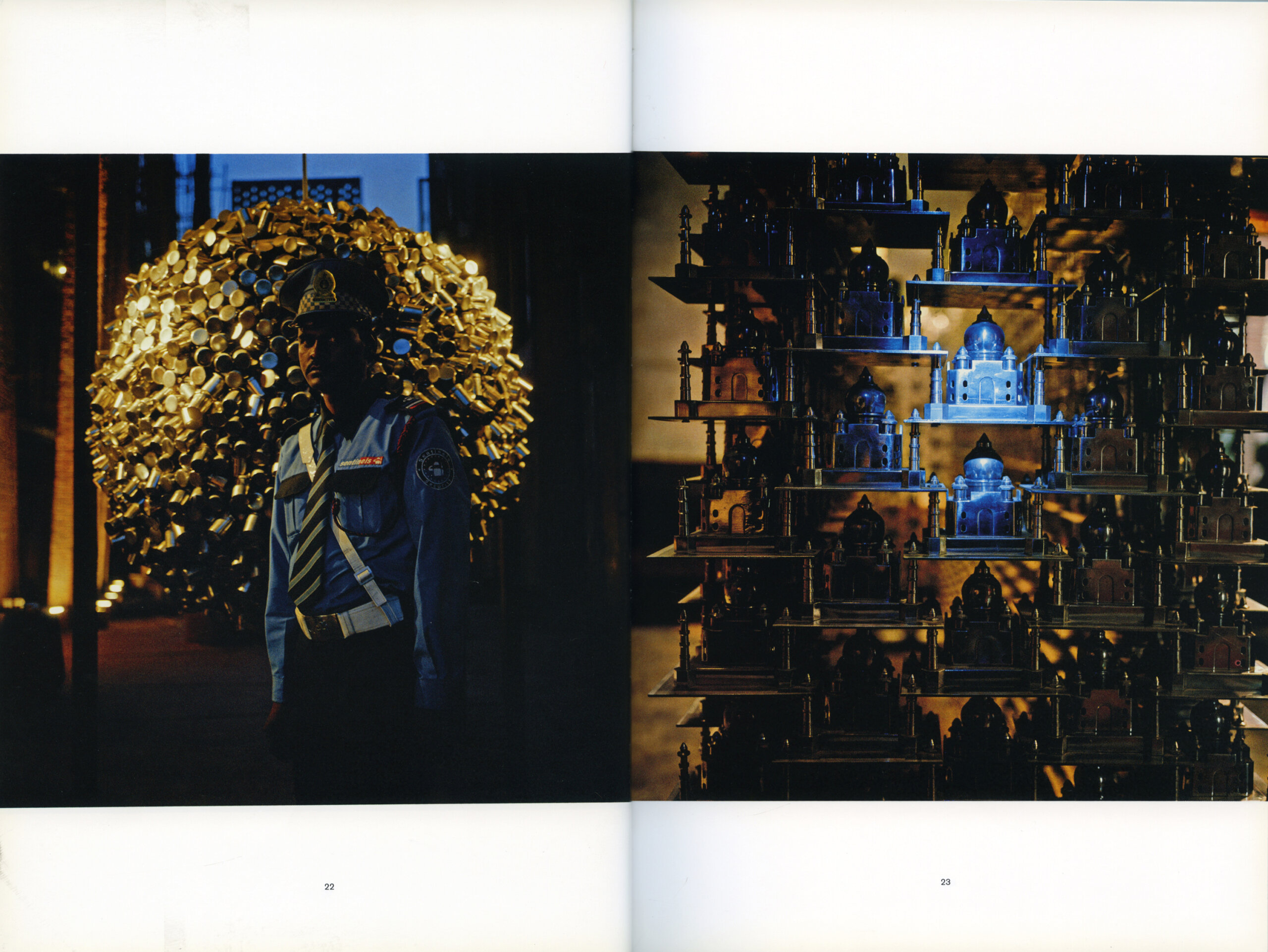
The book harbours many secrets. Even before you’ve opened it, it wears two mysterious clues. The first is a single unpunctuated sentence by Sen, repeated and wrapped around the dust jacket and endpapers like a slim ribbon: “the house of love is a house of illusions is a house of returns is a house of art is a house of death.” The second, concealed under the dust jacket on the book’s hard cover, is a close-up photograph of the artist Sudarshan Shetty’s sculpture ‘Taj Mahal’: a mammoth block of repeating miniature metal Taj Mahals, spotlighted in the image by an electric blue beam of torch light.
The House of Love, it seems, is a theatre of macabre suspense and drama.
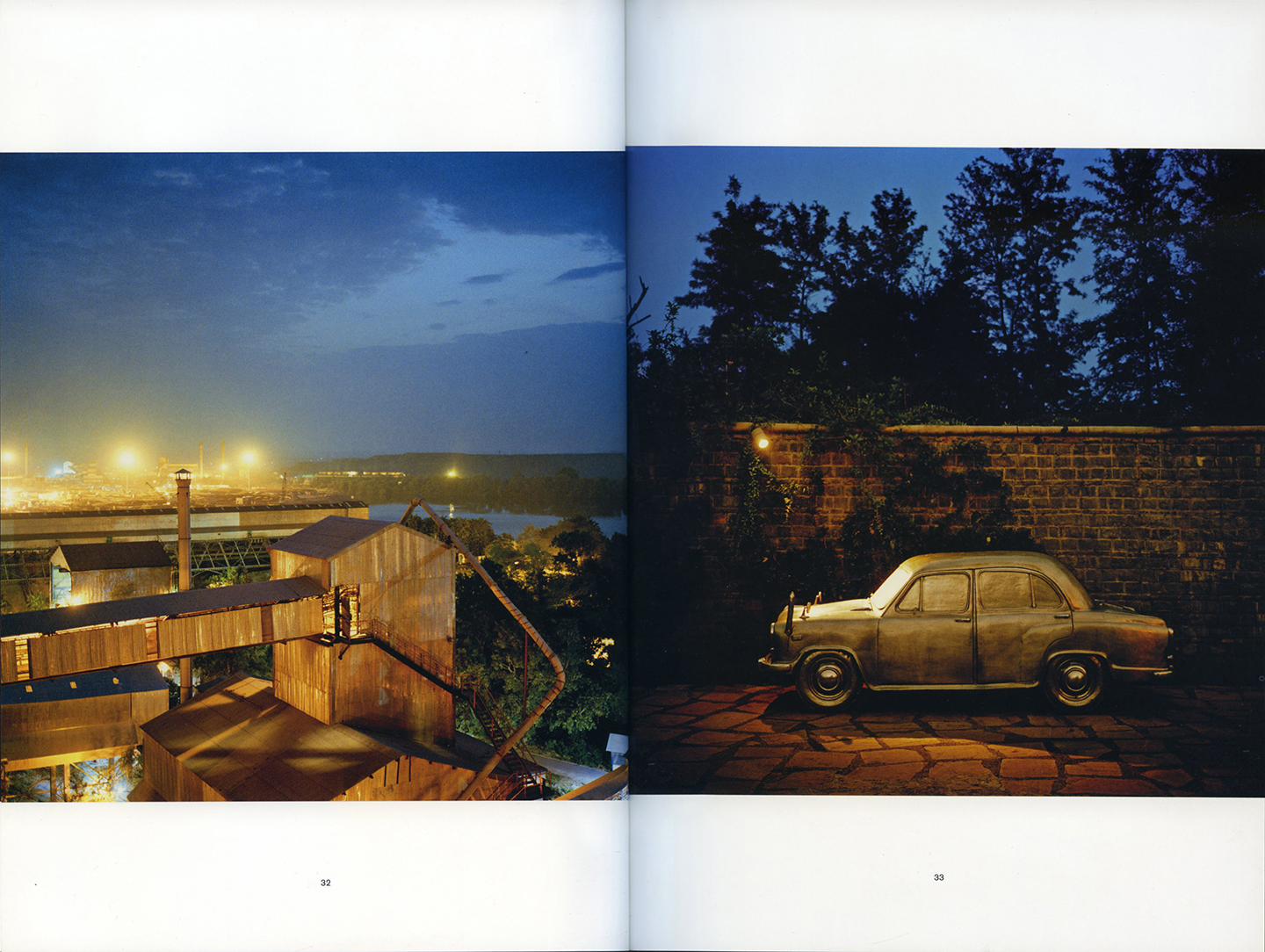
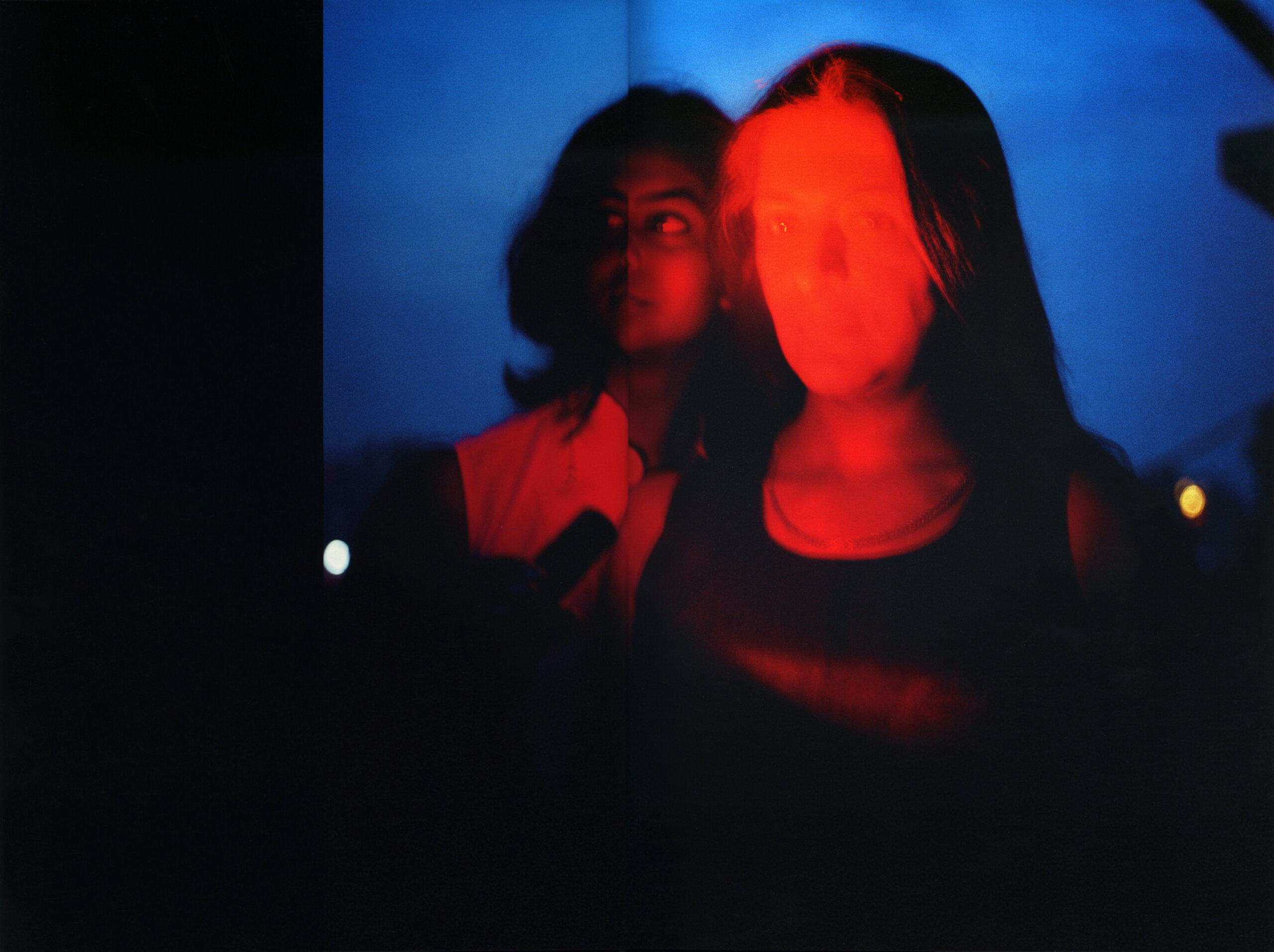
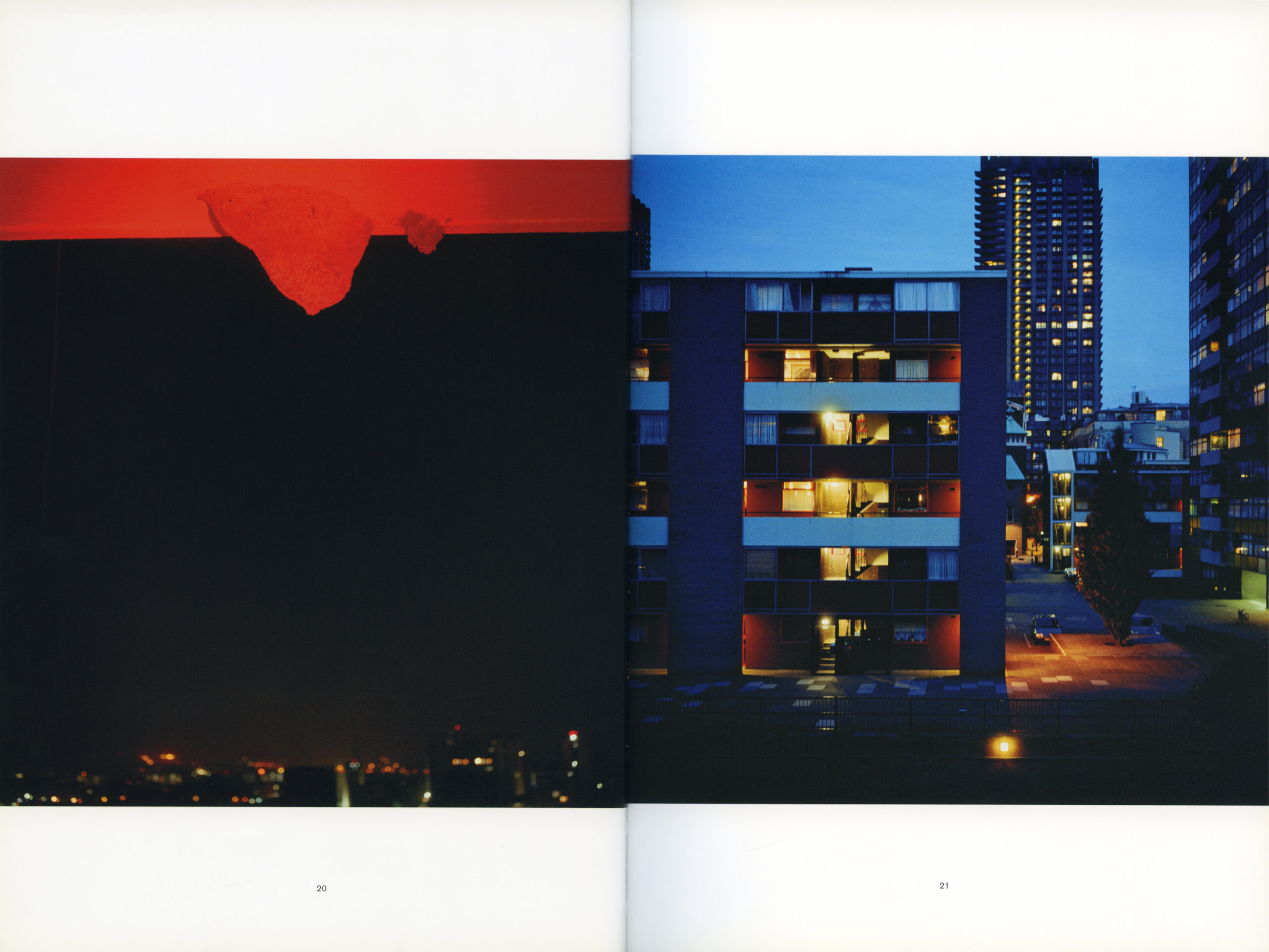
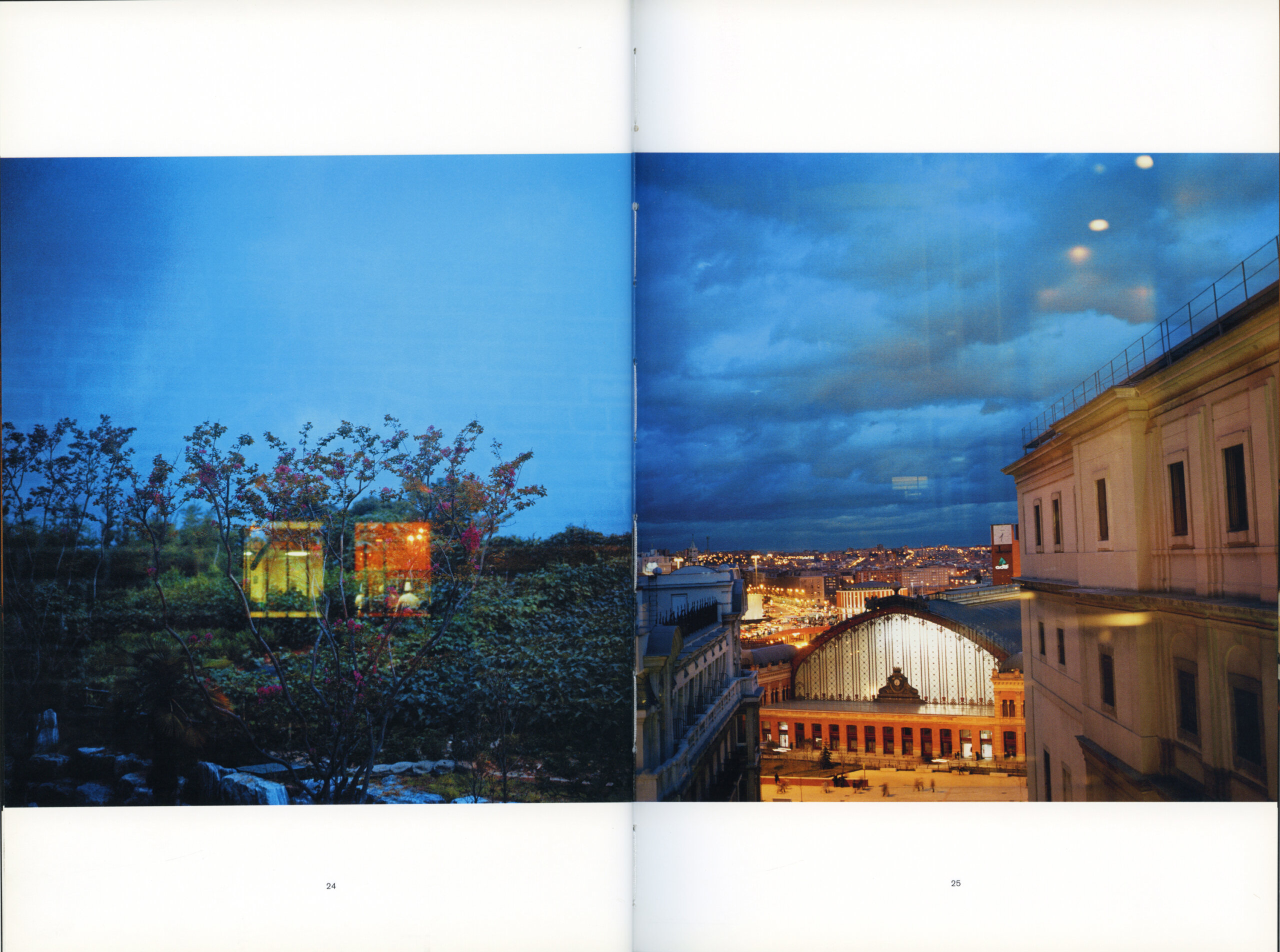
As Singh’s focus shifted to making fictions, her book-building decisions were dictated entirely by what the stories demanded. In a wilful break from convention, she liberally mixed colour and black-and-white images within stories and intermittently changed layouts and image bleeds. She even played unconventionally with text across the book, using it to create cryptic codes and clues on how to read her fictions.
Titles point to main characters, events and themes and could, by themselves, read as individual dramas. They function as keys that set plots off in specific yet evocative narrative directions. (“Without the titles, the sequences probably don’t work,” Singh says, “the titles are what complete them.”) The titles also work in tandem with each other, reading collectively on the contents page as a 10-line poem.
Captions are used similarly across the book. ‘Return to Sender’, for example, has a caption for every image, while other stories have none. In ‘Mistaken’, there is only one image with a caption that reads: “‘I did not know blood could be so slippery.’ 26.11.2008.”
Singh also engages the reader fully with her own literary and artistic journey by weaving in conversations with writers and artists who have influenced her own practice, including Vikram Seth, Sunil Khilnani, Italo Calvino, Geoff Dyer and Sudarshan Shetty. Often, their works appear as preludes or interludes within the stories.
For each writer, artist or collaborator, Singh also created a set of 20 unique dust jackets. Each jacket’s design reflected the person whose work inspired the book in some way. She gifted each collaborator a copy, covered in their corresponding dust jacket.
Ultimately, the nine stories in House of Love culminate in the recurring presence of that literal house of love—the Taj Mahal. This leitmotif never materializes as an image of the actual Taj Mahal, appearing in an alternate likeness in each story: first as an image of a sculpture, then a tourist souvenir, a pandal, and as a close-up of Adam Fuss’ daguerreotype, into which Singh herself is reflected. The last holds the key to the book’s cipher: that the photograph is by itself a kind of replica and, therefore, a kind of fiction.
House of Love emphasizes that the context for an image radically completes or changes its reading. Singh uses the image’s inherent malleability to point to a contradiction and danger implicit in photography: the intrinsic deception of the image. In accepting, recognizing and even insisting on the fallibility of the image, Singh is able to free it to use in service of something more, photo-fiction.