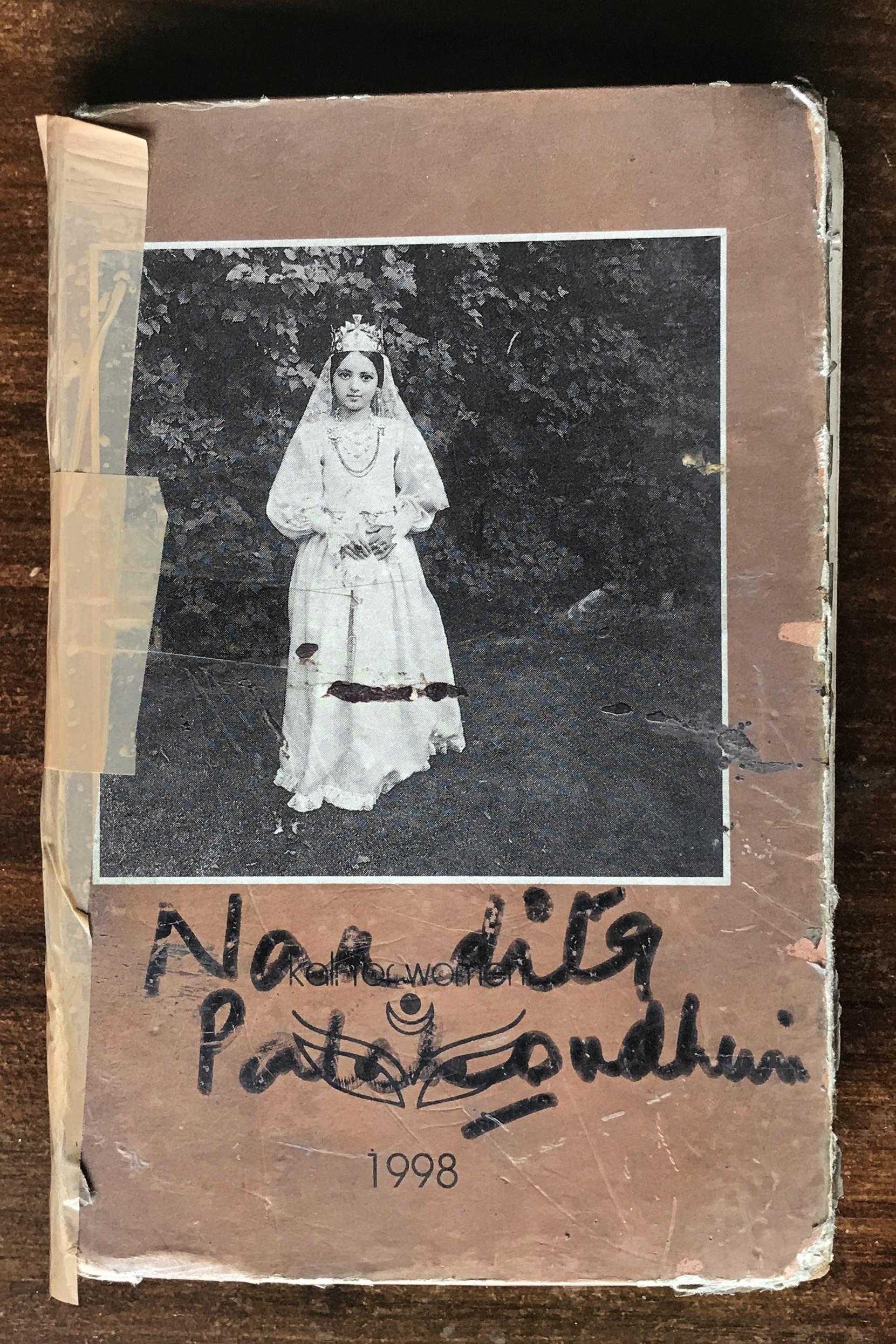
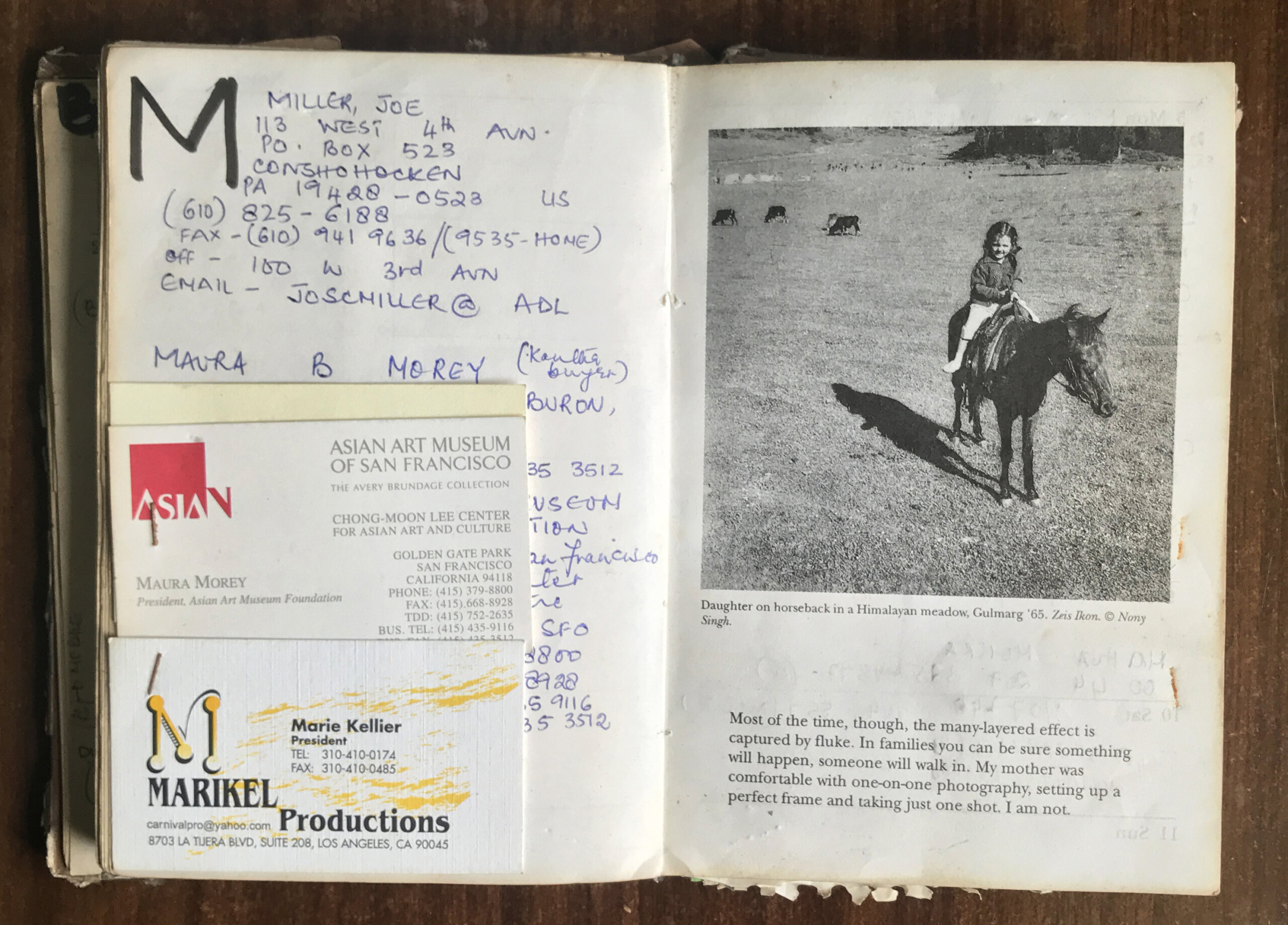
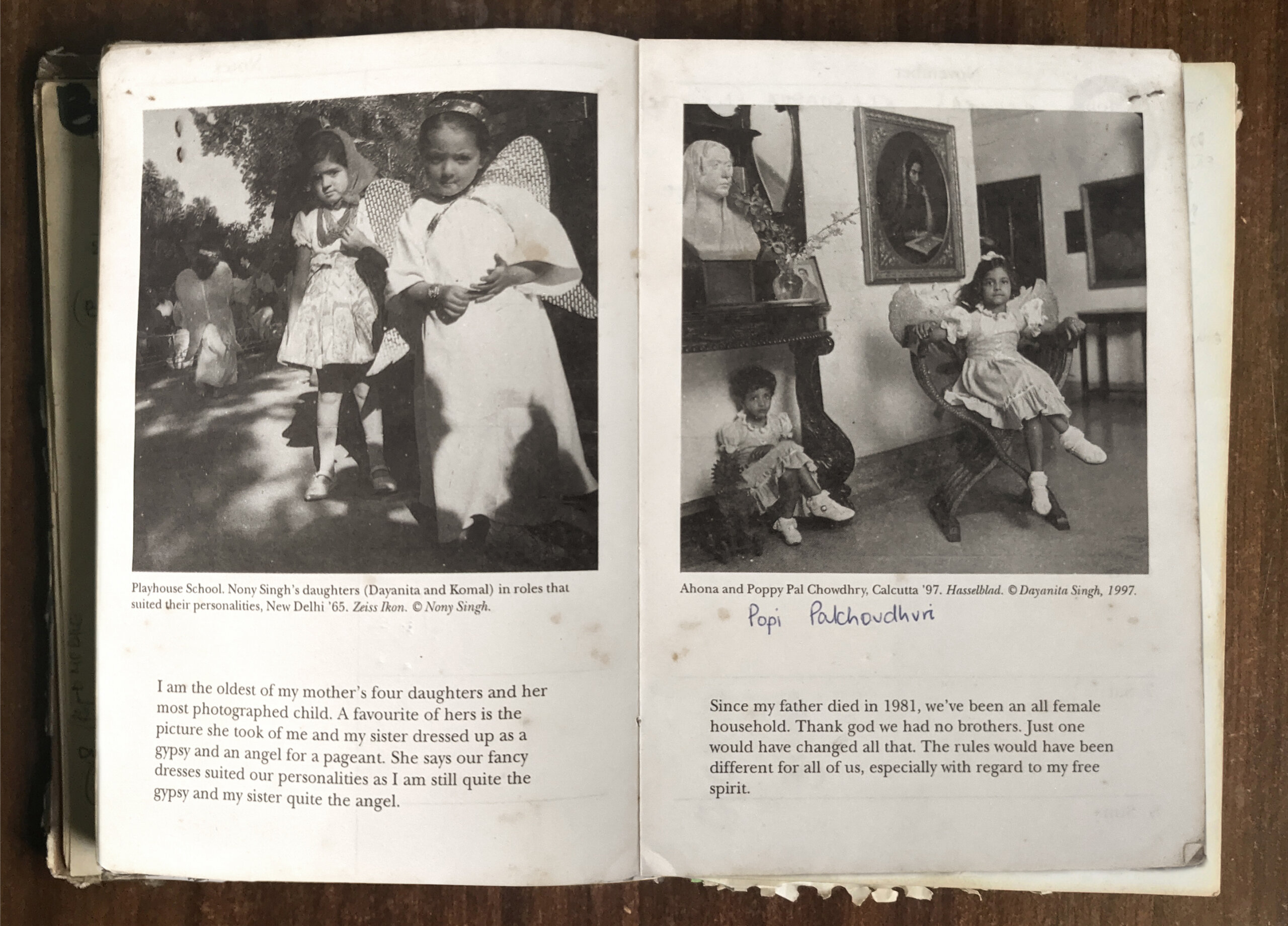

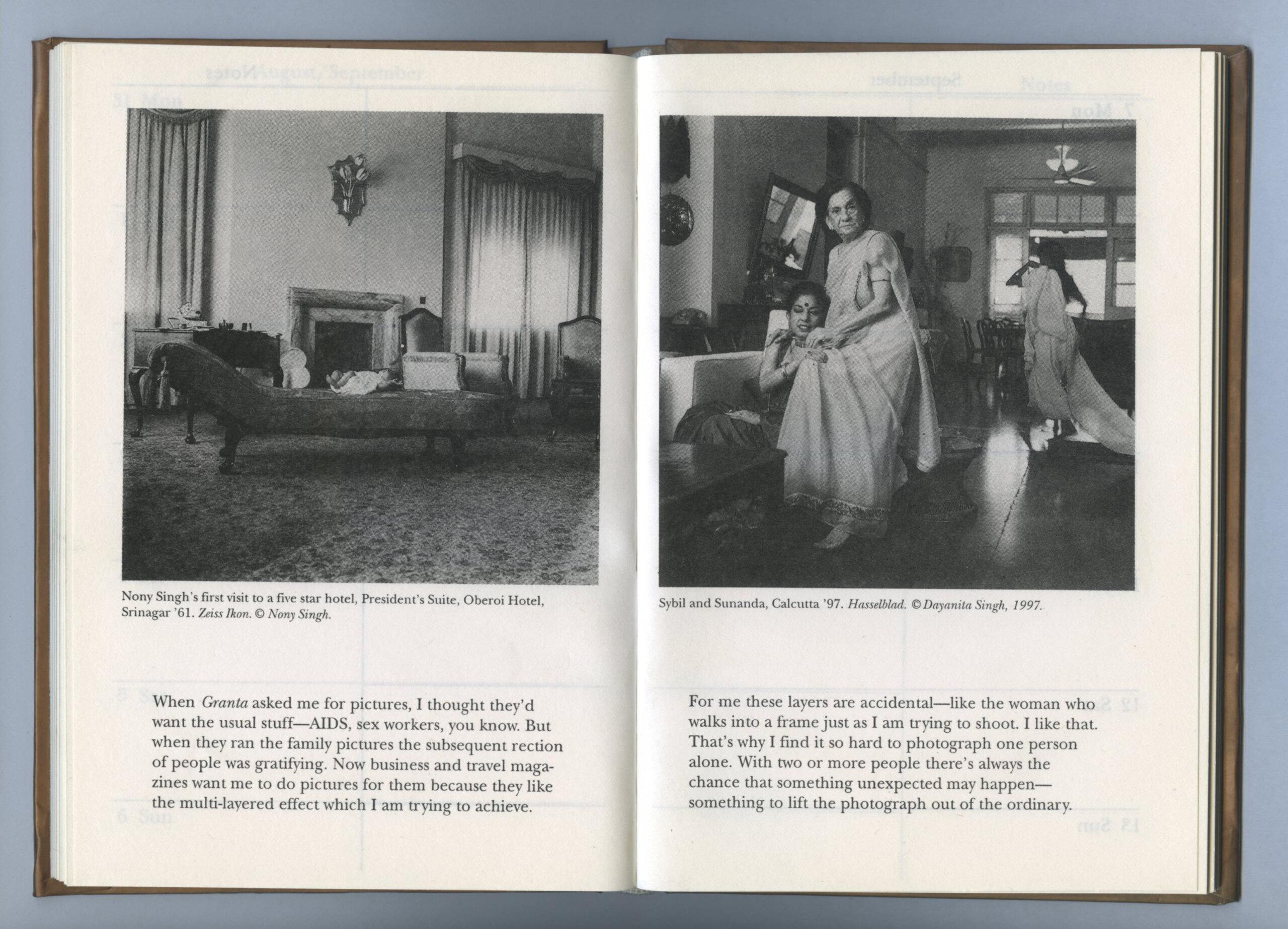
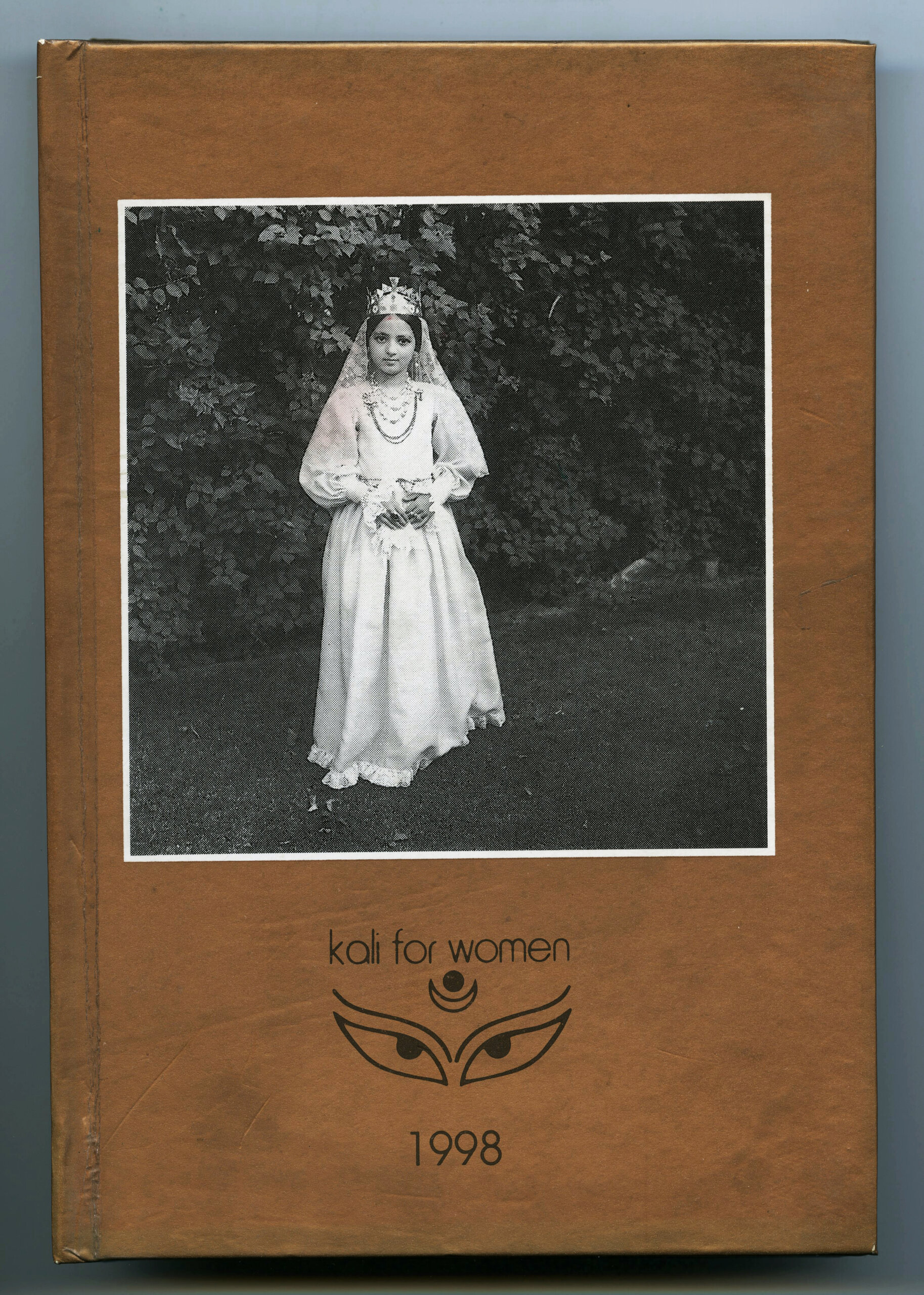
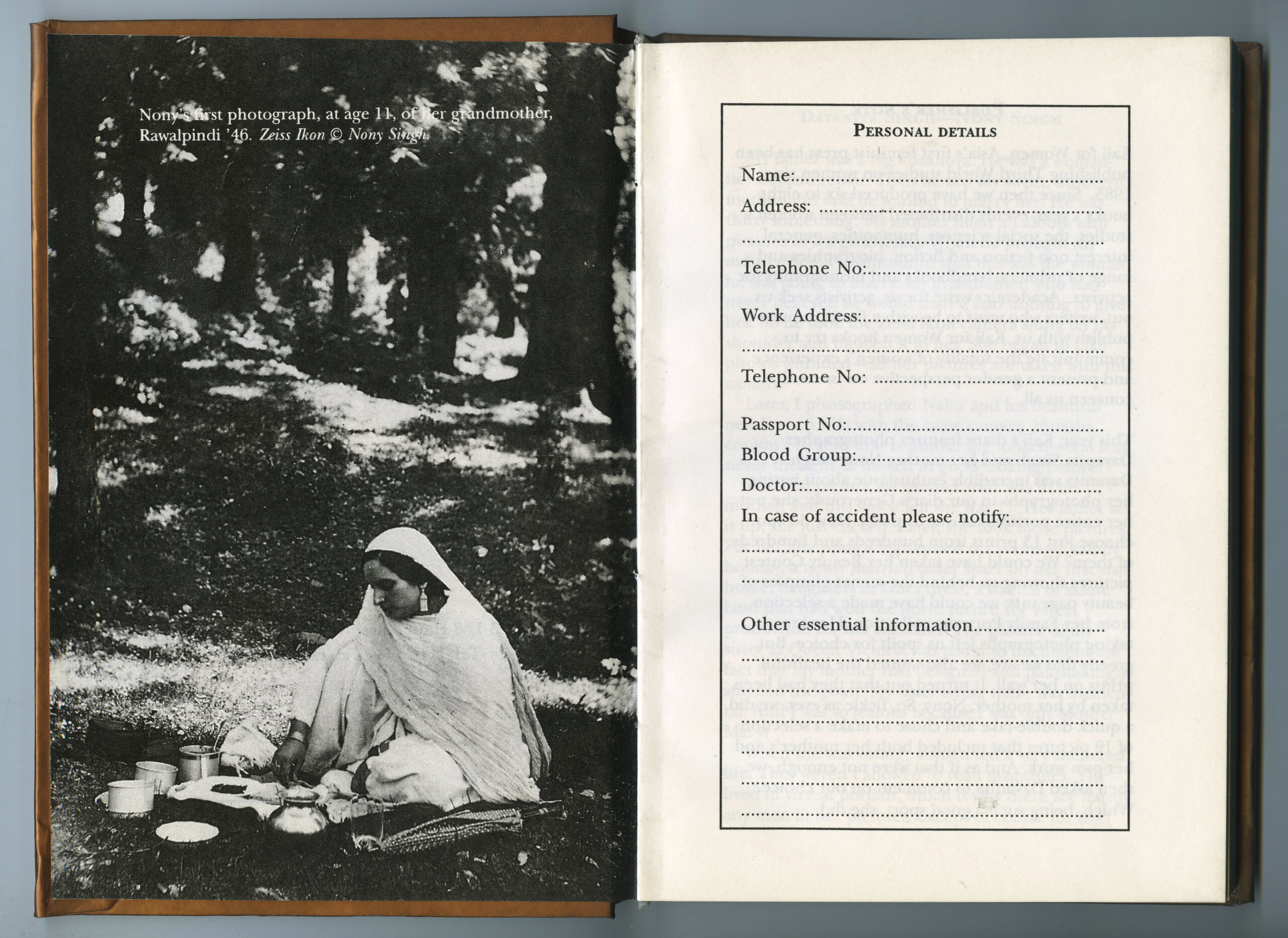
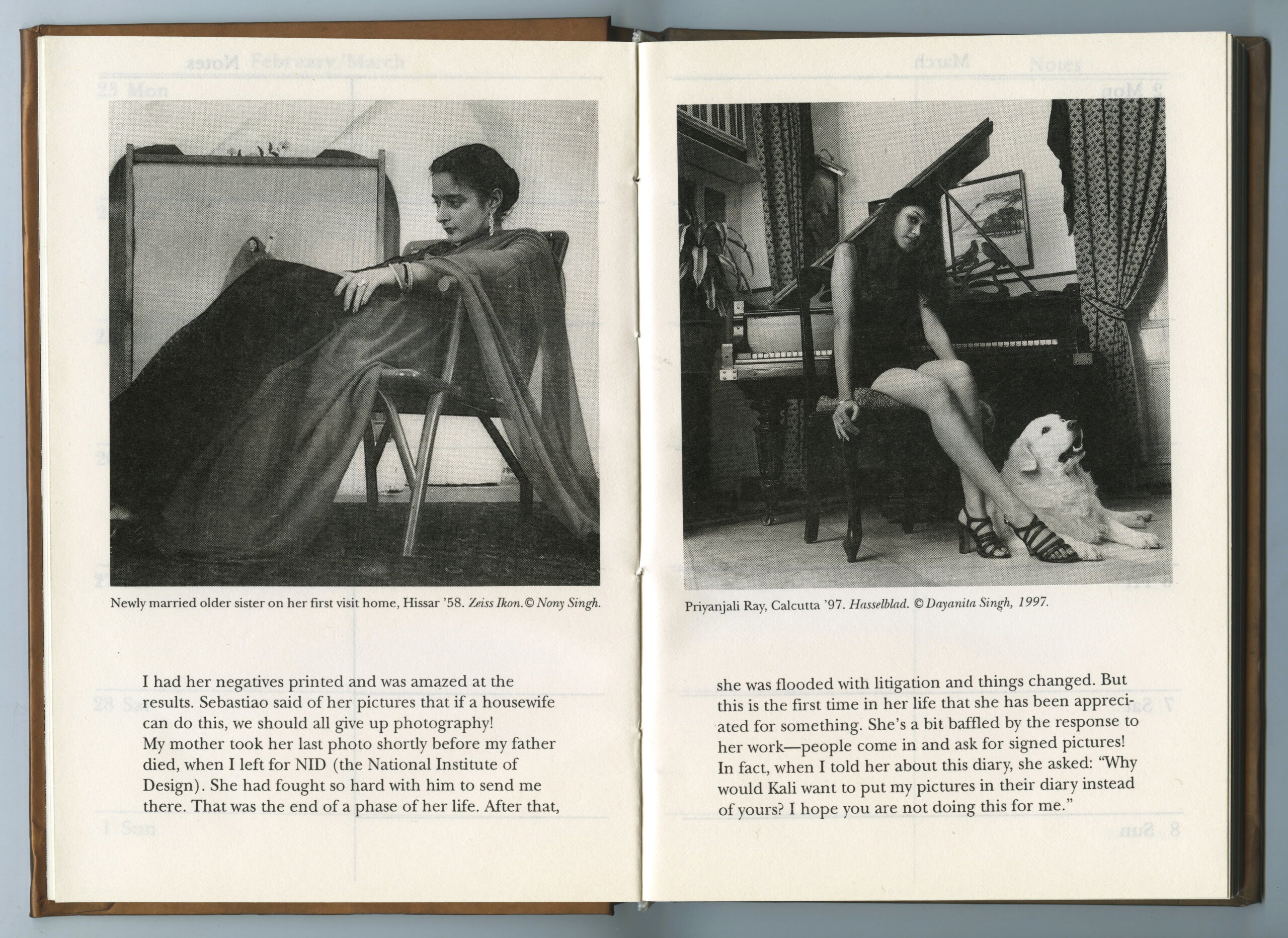
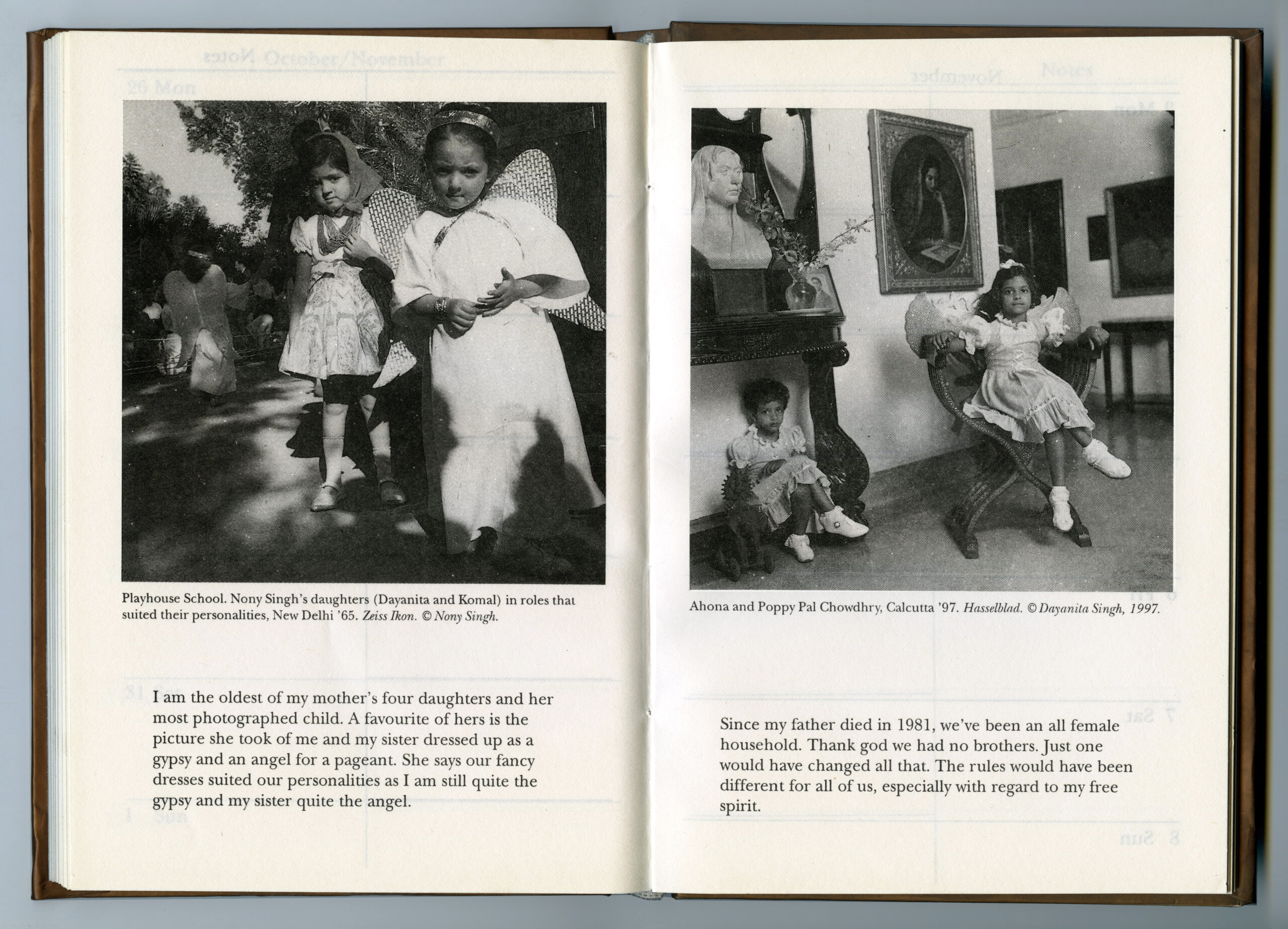
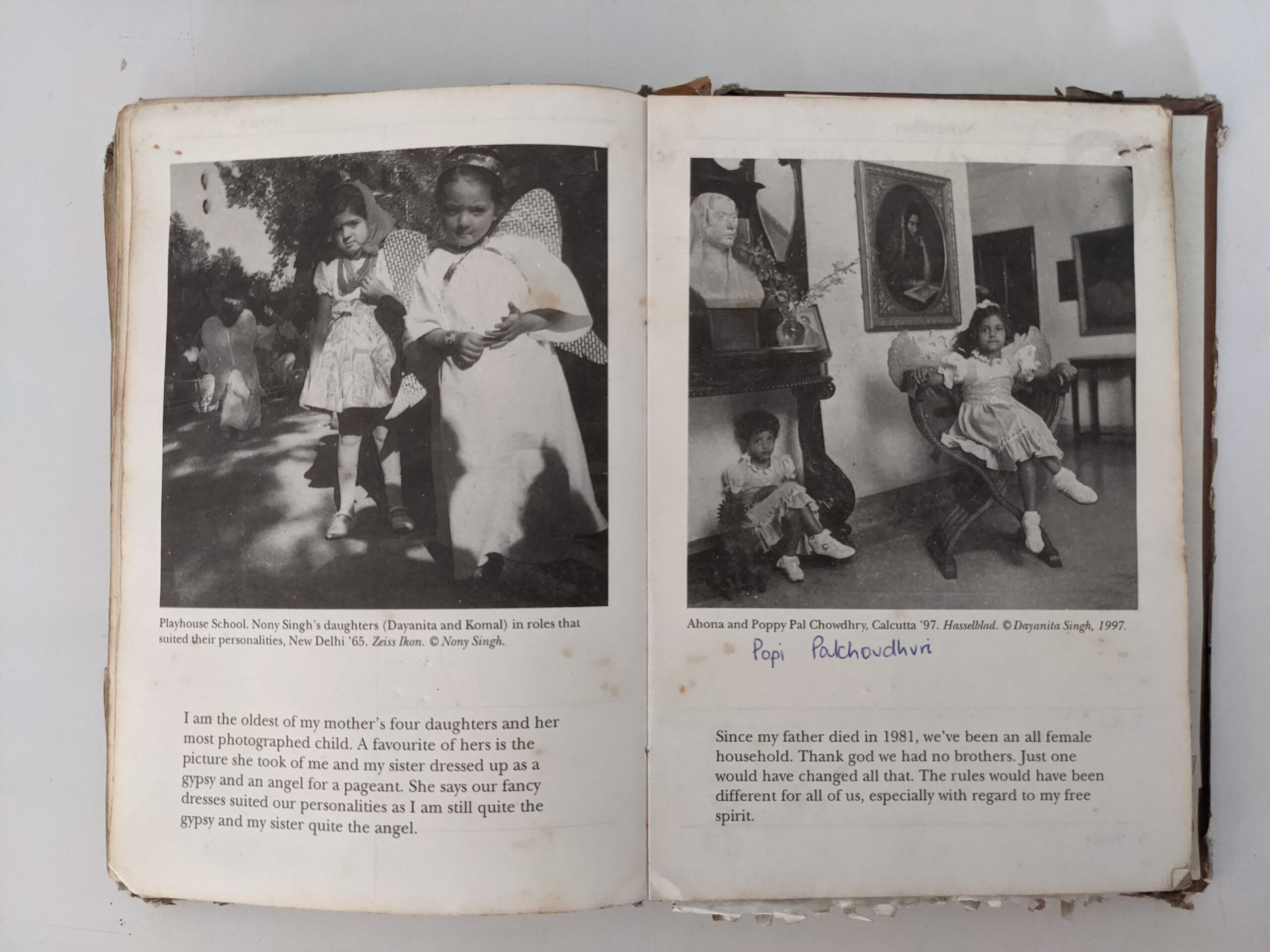
In 1997, the feminist publishing house Kali for Women invited Singh to contribute images to their annual diary. Singh had recently stumbled upon a veritable treasure: a boxful of her mother Nony Singh’s old negatives. When she made the contact sheets she found, much to her surprise and delight, that her mother was a very fine photographer. Singh was shocked to discover that all these years the lab had been cropping the photos unbeknownst to her mother and was appalled to learn that they only made small prints of select photographs they deemed worthy. (For many years, Nony Singh had just assumed that she saw more in her camera’s viewfinder than what finally appeared on the film and image.) Yet, closer scrutiny of the photos yielded another truth: many of her mother’s images were incredibly similar to her own. It turned out that neither of them photographed men very often and that her mother had photographed ‘empty spaces’ long before Singh had even considered them a possibility.
Inspired by these discoveries in similitude, Singh and the Kali publishers created an edit of 19 images that placed some of Singh’s family portraits alongside pictures that Nony Singh had made of her own family (often of Singh and her sister as children). Accompanying each photo was a detailed caption and backstory, lovingly written by Singh. Although the diary was not a book in the traditional sense, Singh was gratified to see the new ways in which it allowed her photographs to circulate. “It was wonderful that people were really handling the images every day,” she says. “I loved that they were living in people’s handbags and being opened and looked at all the time.” She was also delighted to learn that a few patrons had turned the planner into a phone diary, which meant that the book, in one case, was used for more than a decade.