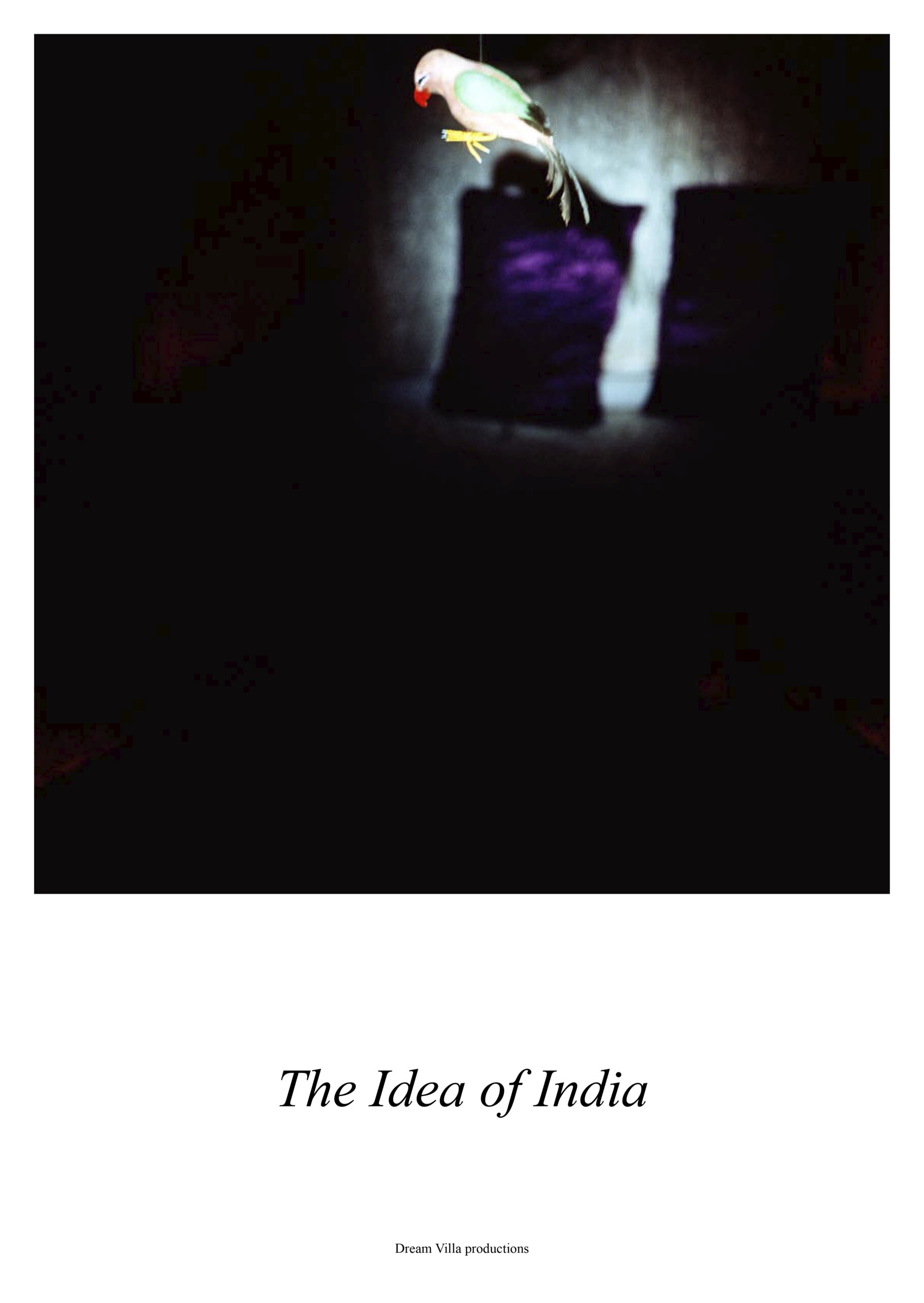
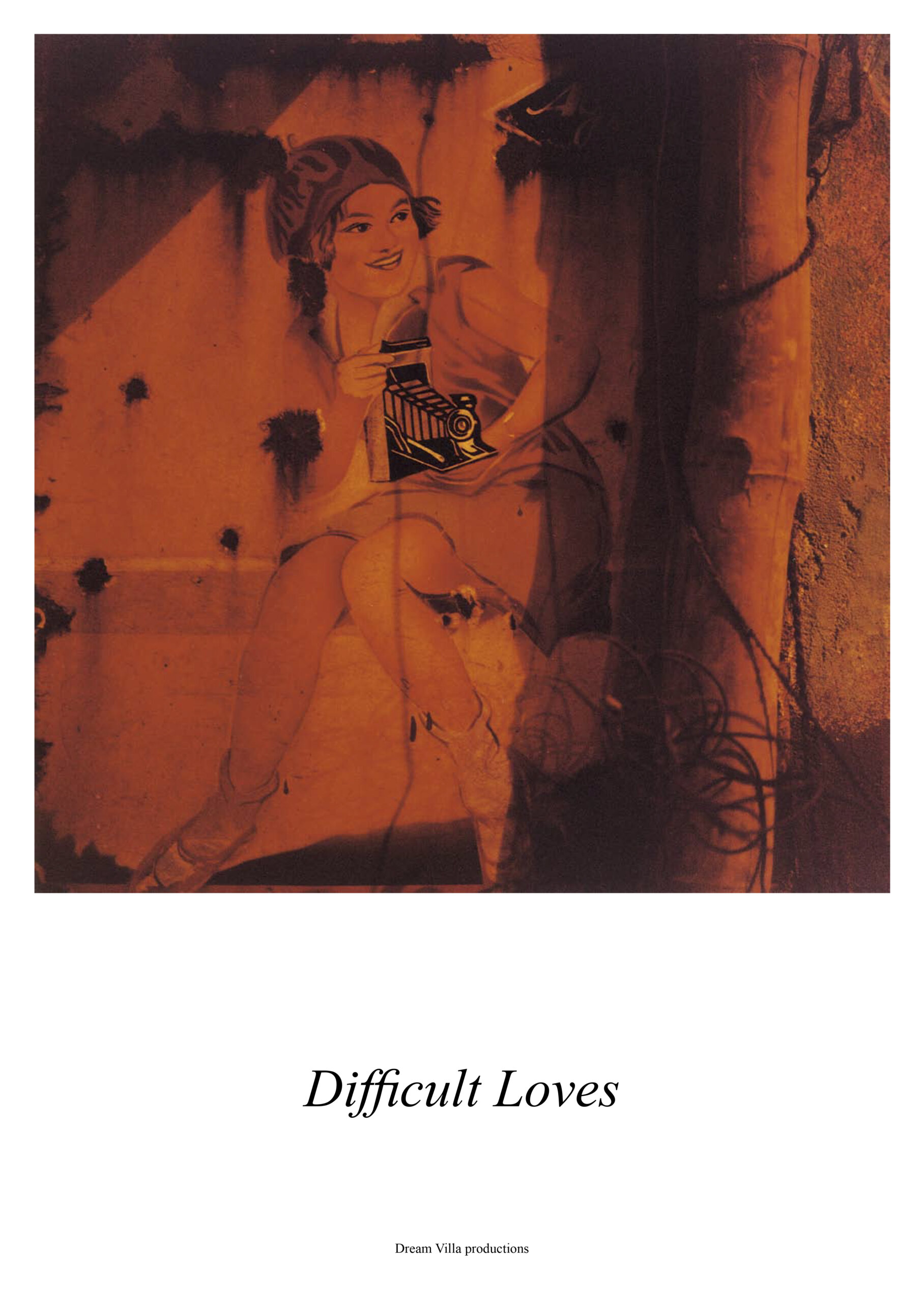
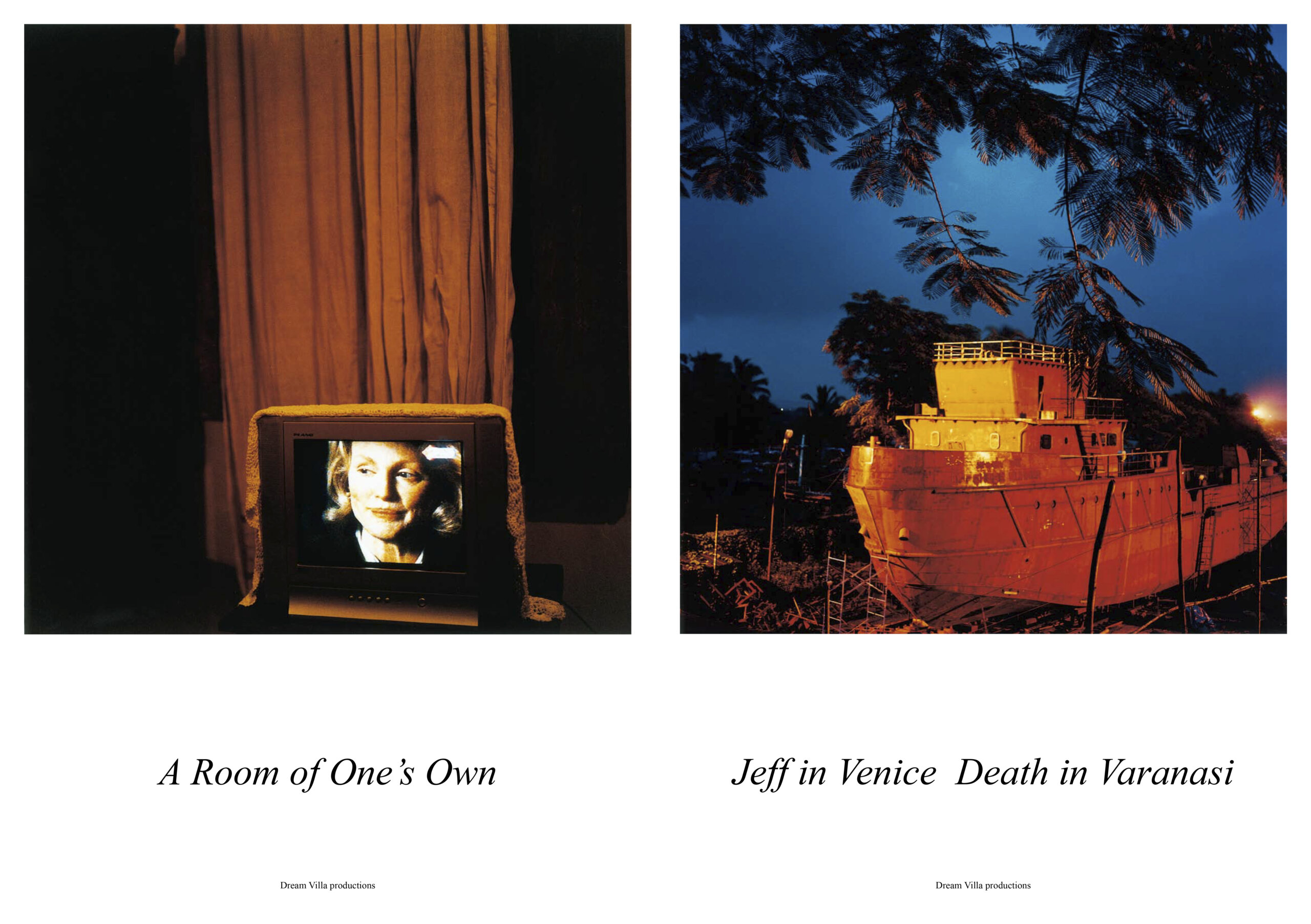
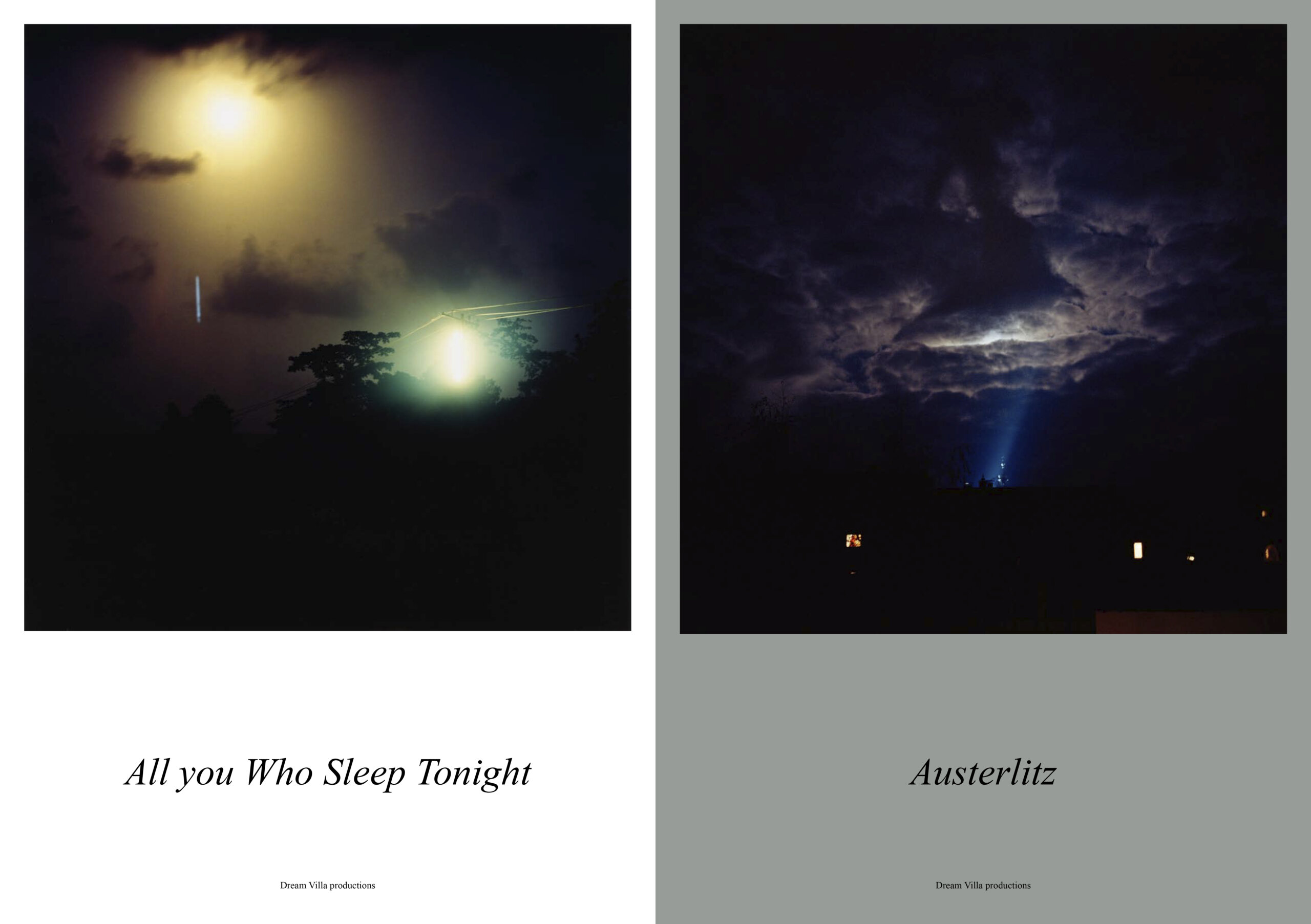
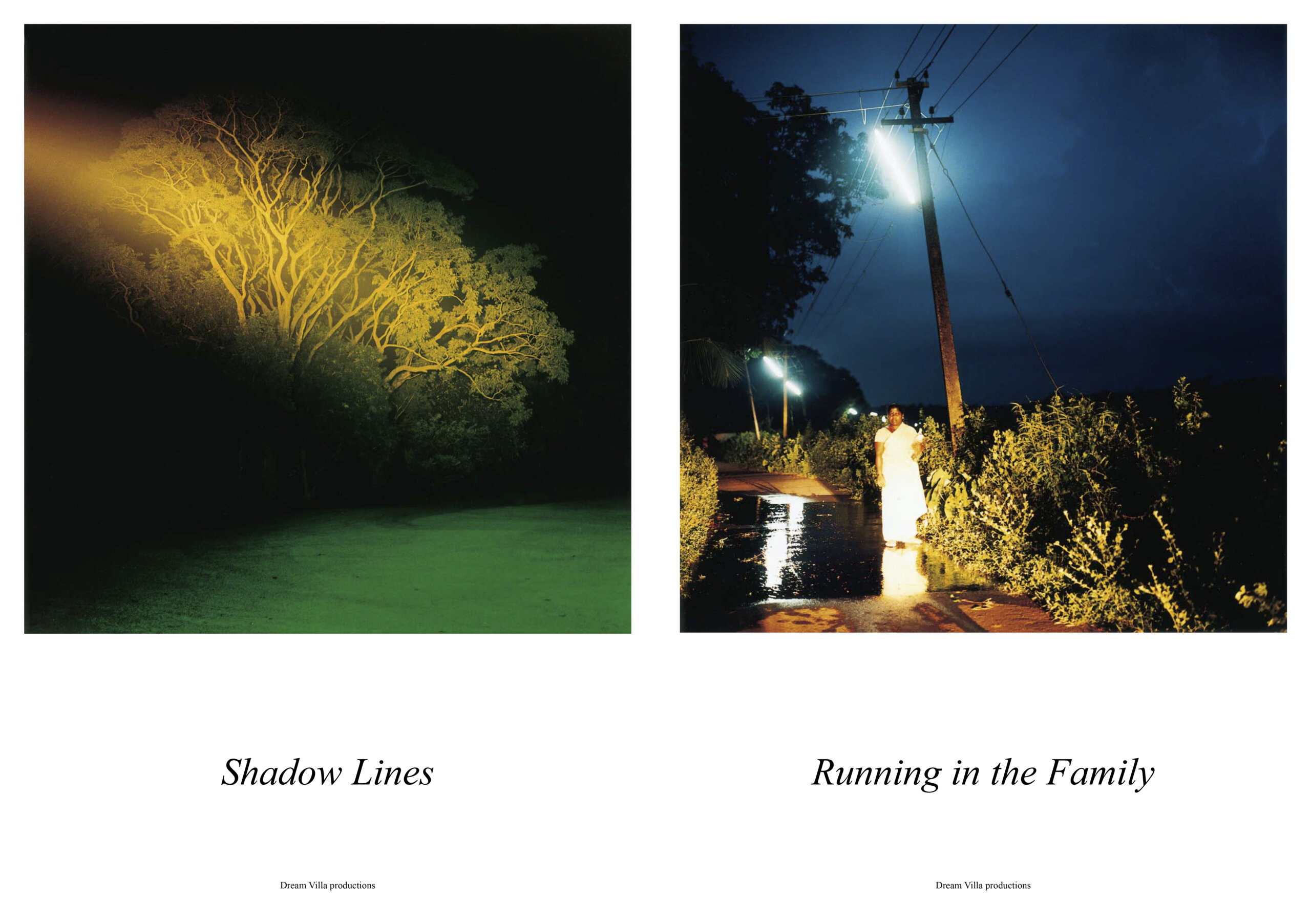


In 2010, Point d’Ironie invited Singh to create the 51st issue of their unique, artist-led periodical. Instead of just adding her photos, Singh created an essential reader for young photographers as her contribution to the project. Published in a run of 100,000 copies, her issue contained eight Dream Villa images that she placed in conversation with the titles of eight literary works.
She decided to take the dissemination of the copies that were sent to her, quite literally, into her own hands. She folded the periodical over her arms and distributed copies to people attending the Jaipur Literature Festival and the India Art Fair in January 2010. Many refused, thinking she was handing out flyers for pizza delivery.
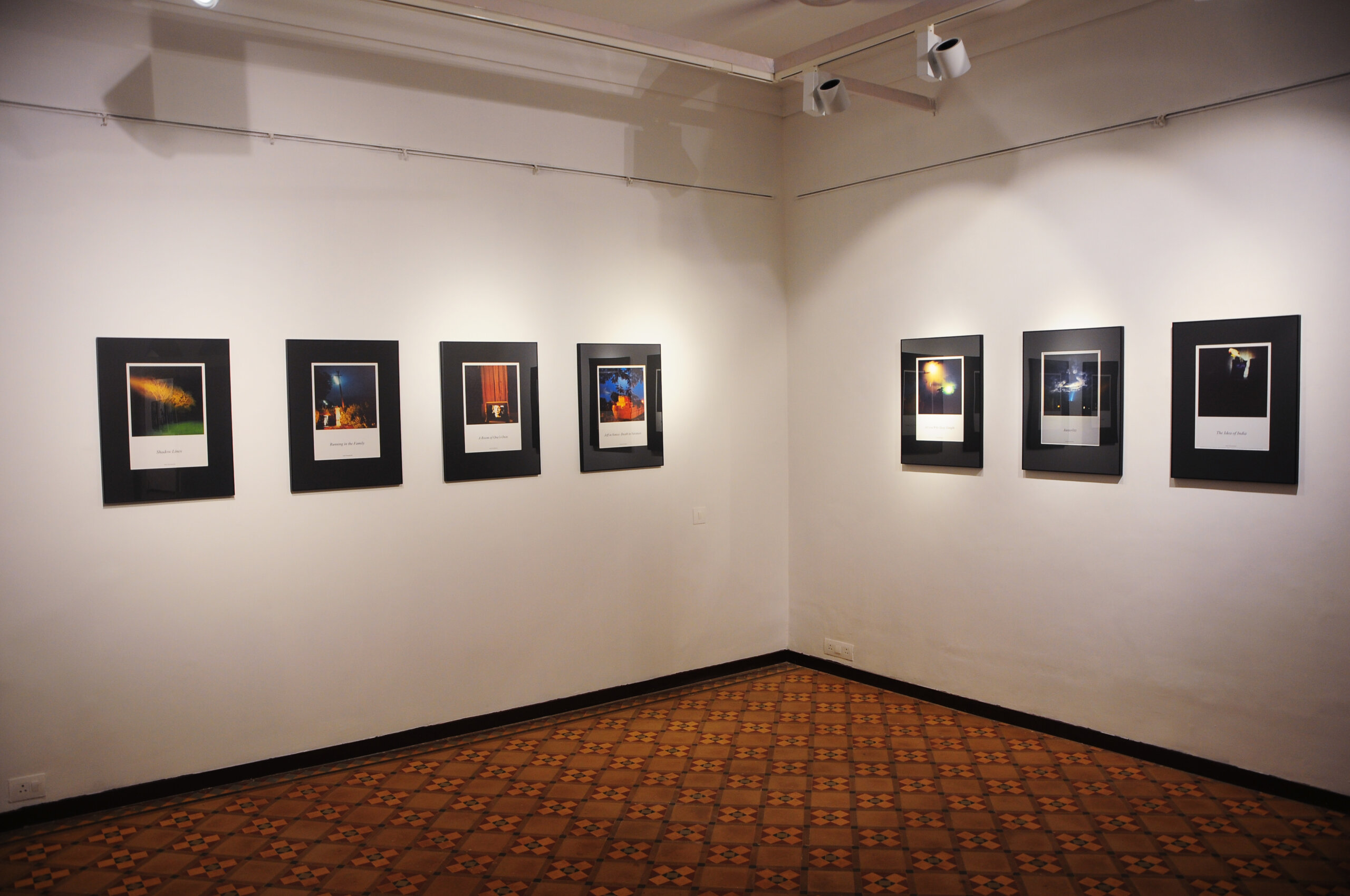
Later, as Singh began to more firmly articulate her interest in photography, form and dissemination, she exhibited her Point d’Ironie issue in a group photography exhibition at the Sunaparanta Goa Centre for the Arts in Panjim, Goa. She presented the publication formally, complete with matt and frame, treating it as she would traditional photographic prints. She titled it ‘An Offset Artist’, explaining that she saw dissemination as as much a part of photography as the image-making itself.
Working with offset allows Singh to engage entirely with the process, means and channels of dissemination on her own terms. It expands the purview of her artistic practice, allowing her to not only reach a wider audience but also to take the art object into unexpected venues and spaces.
Singh published another version of her reading list for young artists in Aperture Magazine in 2016. This list differed slightly from the Point d’Ironie publication, although there were a few overlaps.
Foremost in the Aperture List was Letters to a Young Poet by Rainer Maria Rilke, whom Singh turns to in order to answer the difficult question of why and how one should pursue “the creative life”. (Here, Singh emphatically points to the question: “How could things not be difficult for us?” from Letter VII).
She suggests Virginia Woolf’s A Room of One’s Own as a meditation on the importance of a designated sacred space to nurture the muse in a creative practice. Jun’ichro Tanizaki’s In Praise of Shadows and Michael Ondaatje’s The Conversations: Walter Murch and the Art of Editing Film to her speak of “the beauty of withholding and concealment” in the practice of image-making and editing.
For inspiration with regard to finding form, she points to Italo Calvino’s Difficult Loves (specially to ‘Adventures of a Photographer’) and Geoff Dyer’s Ongoing Moment. And to get to the heart of “that something else in photography”, Singh recommends poetry, specifically by Vikram Seth.
Lastly, but perhaps most importantly, Singh suggests her favourite photobook: Austerlitz by W.G. Sebald. (“No writer comes close to Sebald,” she says, “but Austerlitz to me is the zenith of a photobook.”) As the world increasingly turns into an image-based society, Singh suggests that writers may need to consider photography a tool for their writing. But even this comes with her caution to maintain rigour and not fall back on ‘trends’ and formula.
Singh turned Point d’Ironie’s 51st issue into an exhibition. Titled ‘Offset’, it was shown in Sensorium at the Sunaparanta Goa Centre for the Arts, Goa (2014-2015).