When Frances Morris visited Dayanita Singh in her studio, Singh could never have anticipated that a casual remark from the curator would change the way she related to her own practice. Morris was considering acquiring silver prints for the Tate Modern when Singh suggested she consider her books instead.
“Dayanita,” Morris remarked, “we love your books, but what do we do with them? We get ten thousand visitors a day. We can either put your books in vitrines, or make facsimiles or project them, none of which would do any of them justice.” That’s when the penny dropped for Singh and she realized that the book could only be in the museum space if it became the exhibition.
Sent a Letter was never meant to be published as a book. It was created as a series of accordion-fold photo-letters that Singh ‘made’ for her friends. She hoped that, in time, they would realize that the letters turned into an exhibition that they could travel with.
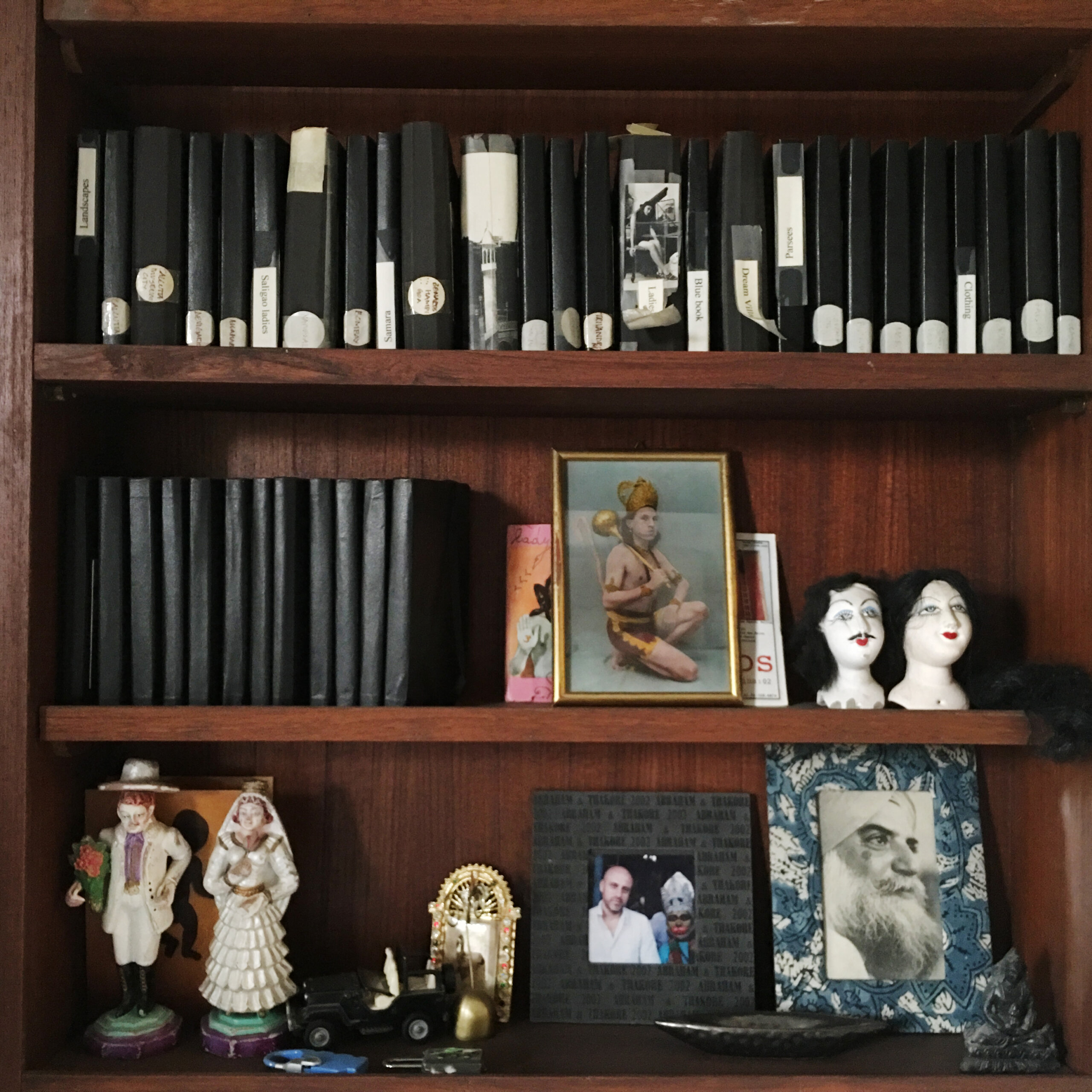
As early as 2001 and 2002, Singh began to create letters for her friends, as a way of documenting their travels together and as gifts for them to carry home. Full of secrets and shared references, these letters were created by hand-cutting images from medium-format contact sheets and pasting them onto blank, accordion-fold Moleskine notebooks. There were two copies of each letter: one for the friend she was addressing and one which she kept for her kitchen museum.
In 2006, after a trip to Kolkata with Gerhard Steidl and the writer Günter Grass, Singh created one of these letters for her publisher.
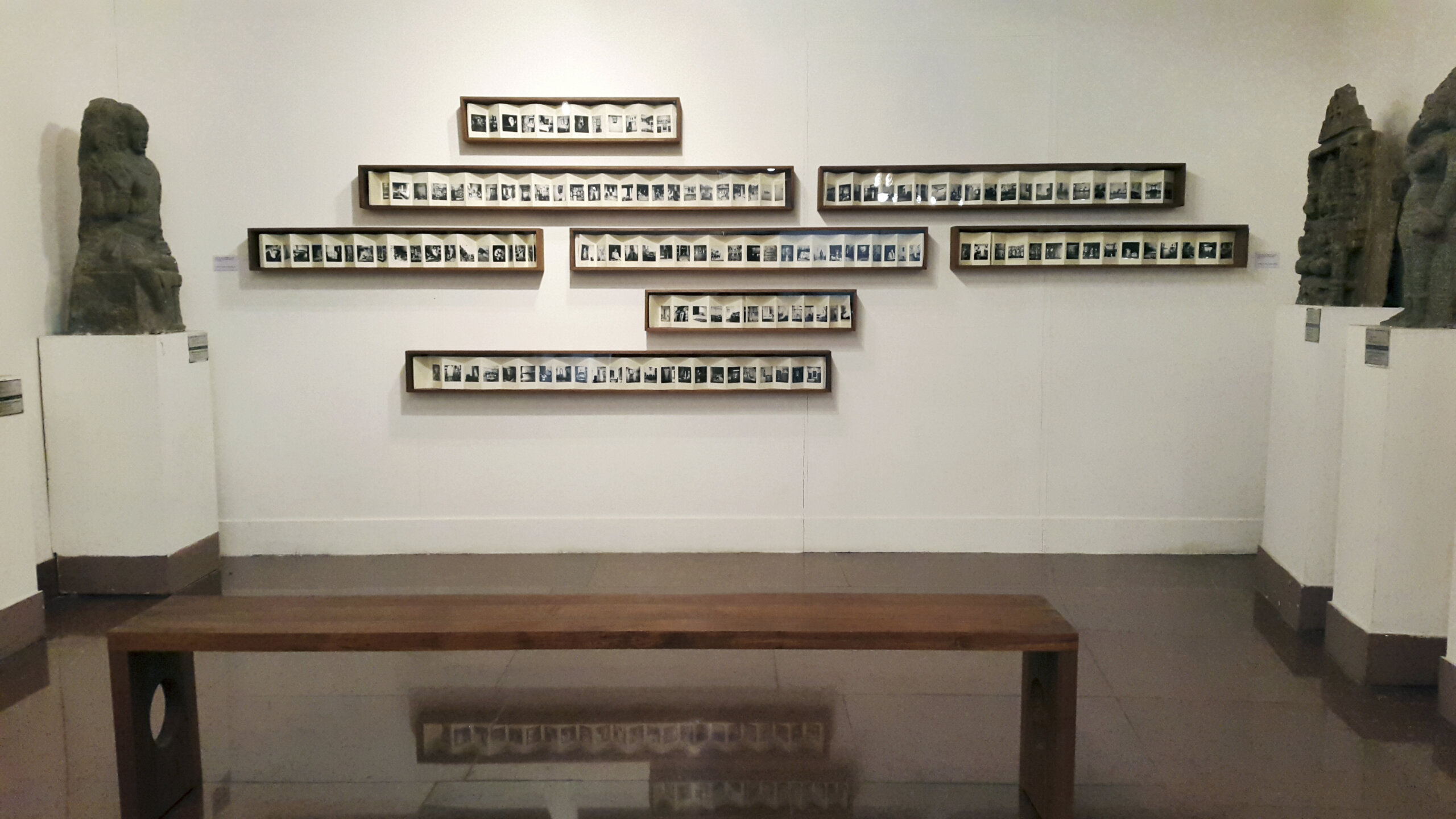
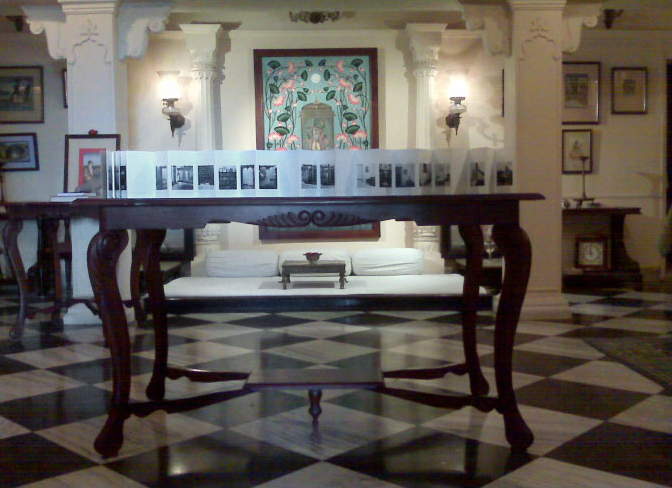
A few months later, during an exhibition at the Frith Street Gallery, Singh made a secret exhibition in the apartment upstairs. She unfurled the 32 accordion books she had made by then and arranged them on tables, bookshelves, the mantlepiece and the bed. The whole room was thus transformed into an exhibition of exhibitions.
Steidl was among the few carefully chosen guests Singh invited upstairs. He found it extraordinary and offered to publish all 32. Eventually, they agreed on a set of seven, which they collectively published as Sent a Letter. And from this moment on Singh realized that Steidl was her co-conspirator.
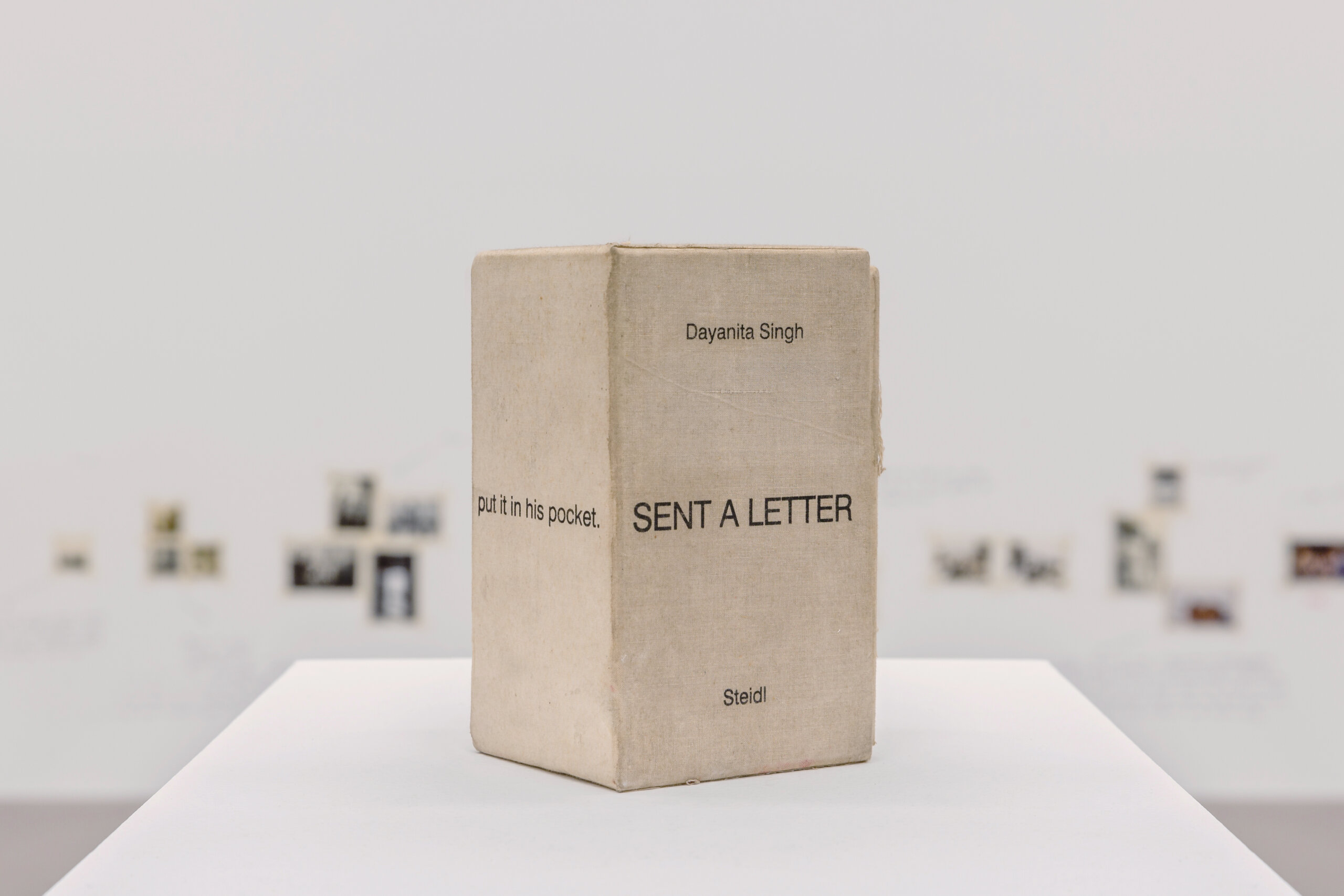
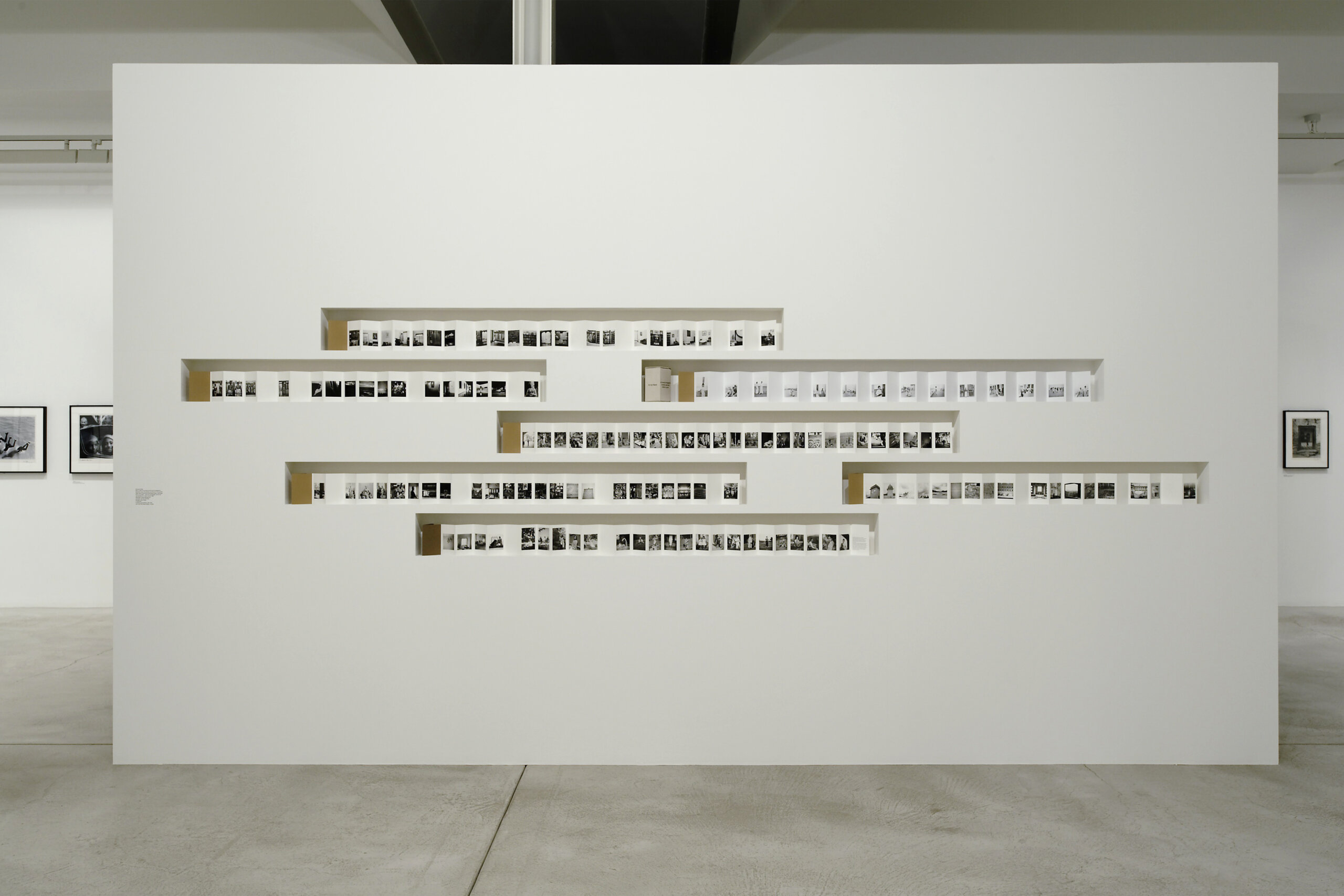
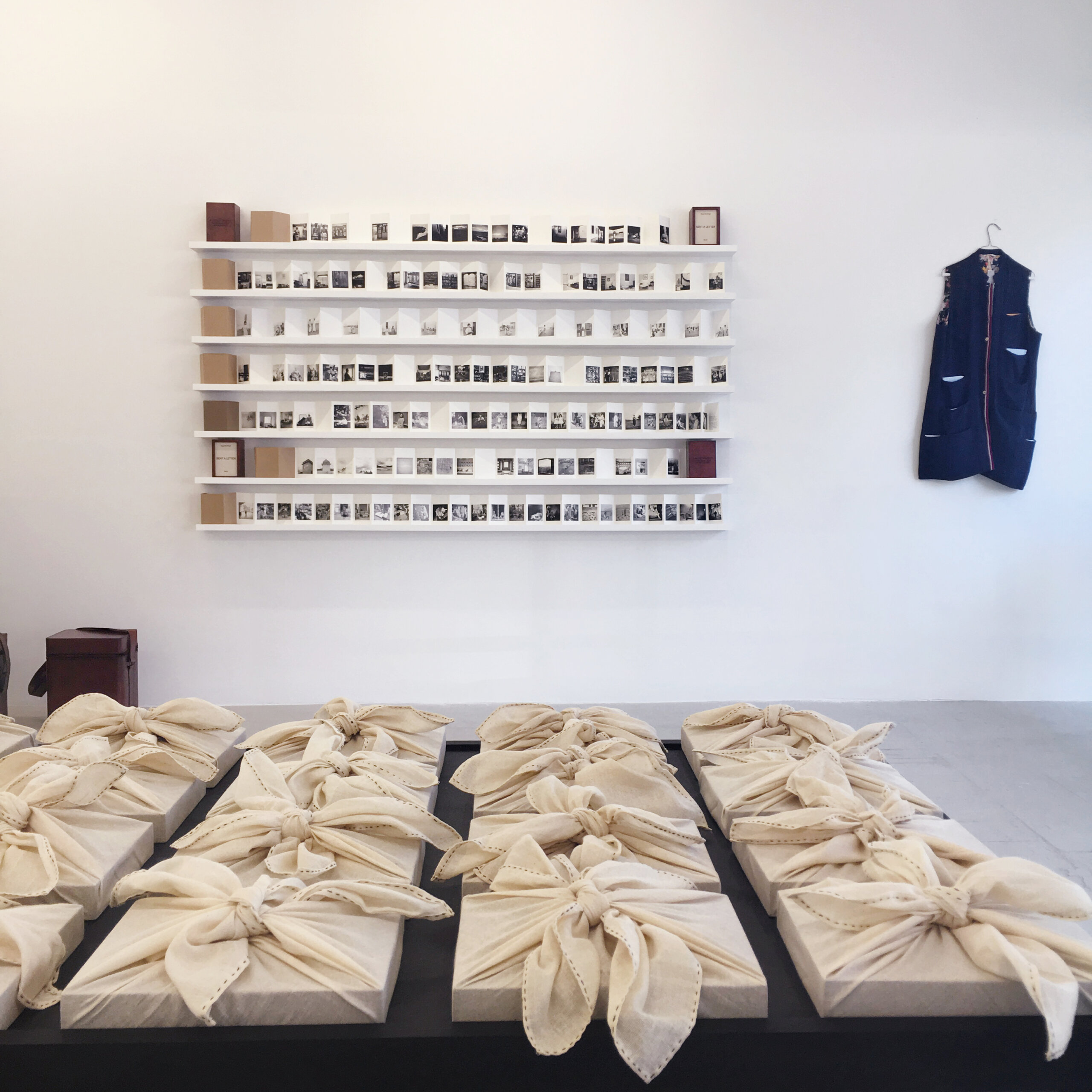
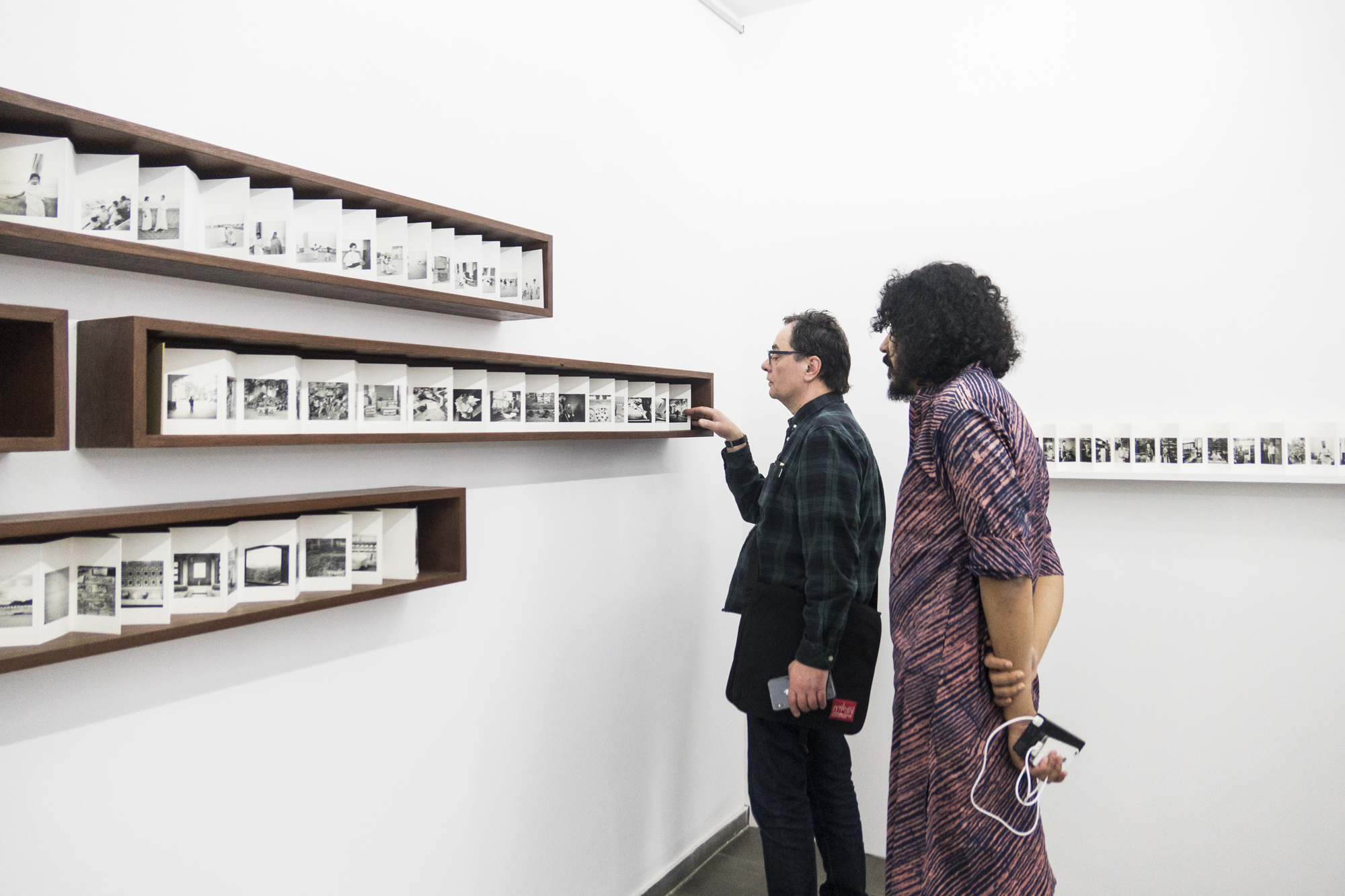
Housed in a handmade clamshell box, the seven volumes of Sent a Letter retain the size, scale and feeling of Singh’s original Moleskines. Each unfurls into an approximately 8-foot-long exhibition that can be stood on its side. This is possible because of the use of Xantur, a heavy coated paper that is thick enough to stand upright without buckling over. The volumes are printed in tritone and each image is finished with a double-spot varnish to create the illusion that it is pasted onto the page.
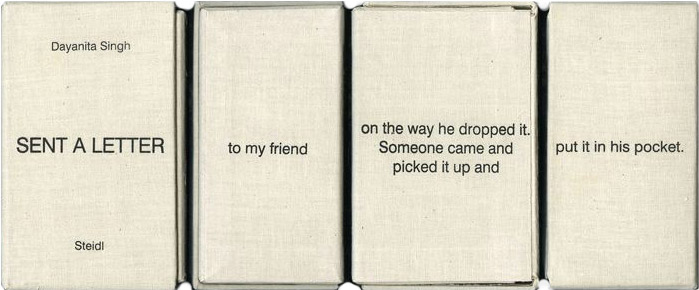
The box, which was made in Delhi and shipped to Germany, is covered in unbleached Markin, harking back to postal parcels in India that are stitched with similar cloth coverings. Parts of the refrain from the old nursery rhyme are printed on each side of the box: “Sent a letter / to my friend / on the way he dropped it. Someone came and picked it up and / put it in his pocket.”
If Privacy (2003) intruded upon the lives of the families from Singh’s portraits, then Sent a Letter intruded on Singh’s own private world. It gave the reader a glimpse into her own life, revealing the details and contours of some of her closest relationships. This is one of the most unique facets of Sent a Letter: that at its very heart it is a series of correspondences between friends.
Central here is the presence of the addressee, who is not identified but only alluded to. They linger somewhere off the page, hinting at a shared history that the reader is not privy to. What remains cloaked amongst that which is revealed? And who, exactly, are the letters addressed to?
Before Sent a Letter, Singh had been struggling to find ways to give her books the same gravitas that her silver prints commanded. But with Sent a Letter, she realized that she could ‘mount’ an exhibition anywhere and fill an entire room with just one box.
In this respect, Sent a Letter forms the bedrock of Singh’s artistic practice: the book is no longer merely an object in the exhibition but becomes the exhibition itself. It becomes both mass-produced book-object and mass-produced exhibition at the same time.
With Sent a Letter, Singh invited readers to become curators of her work. Collectively, the seven volumes present many possibilities for curation, as they can be exhibited individually or in combination with each other. They can be shown in a single row or in seven rows, one below the other. They can even be displayed in selected sections, by clipping pages together to create alternative narratives.
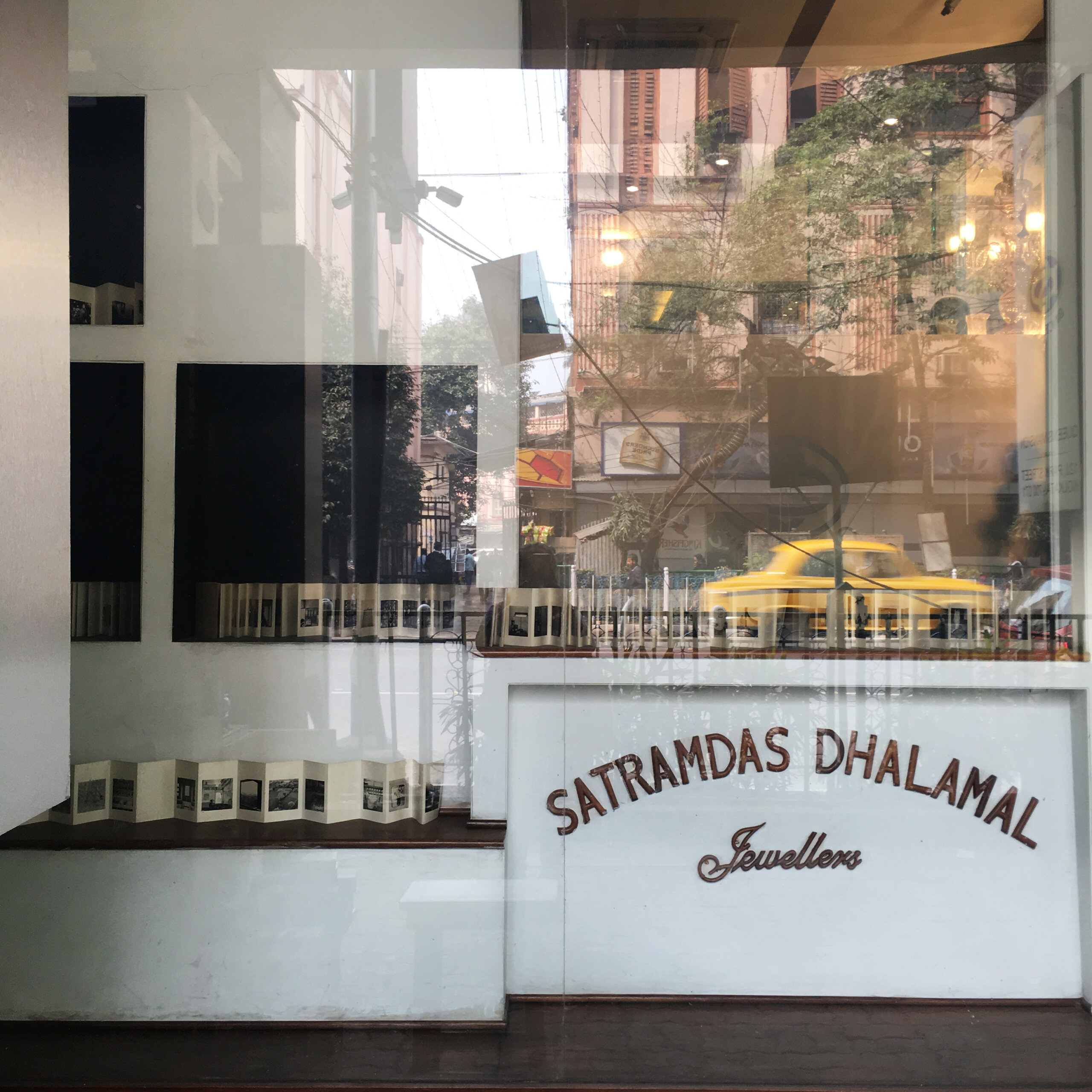
Sent a Letter brought the book into the museum and, equally, took the exhibition out into the world. With minimal shipping, no loan agreements and no insurance costs, one could simply purchase the book and hold an exhibition in one’s museum or office or home.