Dayanita Singh has frequently acknowledged the influence of two individuals on her practice—her mother Nony Singh and the tabla maestro Zakir Hussain. As a child, Singh was photographed frequently by her mother, a doting documentarian of her four daughters. The younger Singh had been an impatient witness to her mother’s unhurried, meticulous methods with analogue photography, but for Nony Singh, the process of documentation did not end with the making of the photograph. Selecting photographs and arranging them in albums was the natural next step for her. She was a collector of memories, the keeper of family stories, which she archived through photographs in neatly labelled albums. The albums, she said, were like her vault; the photographs, her jewellery. This thought leads me to several decades later, when Dayanita Singh published a series of petite, jewel-like books and displayed them in the window of a jewellery store on a busy central Kolkata street. She packaged the set of seven books in a box wrapped in Markin cloth, a material the Indian postal service uses to pack parcels.
Before their publication, these books had started out as visual letters to her friends. Singh had cut up contact sheets of photographs she had made with particular friends in mind, pasted them into Moleskine notebooks and sent these to her friends while keeping a copy of each notebook for herself. Like her mother, she was a collector of images that she made with her medium-format camera. Like her mother, who made albums, Singh dipped into her archive and used her photographs as raw material to make books. She packaged them with deliberation, with an awareness of the materials she was using and what they signified. She knew that as her books left for other places they would acquire new meanings in their new lives, but the language that her choice of materials and formats spoke was emphatic in the meaning it conveyed.
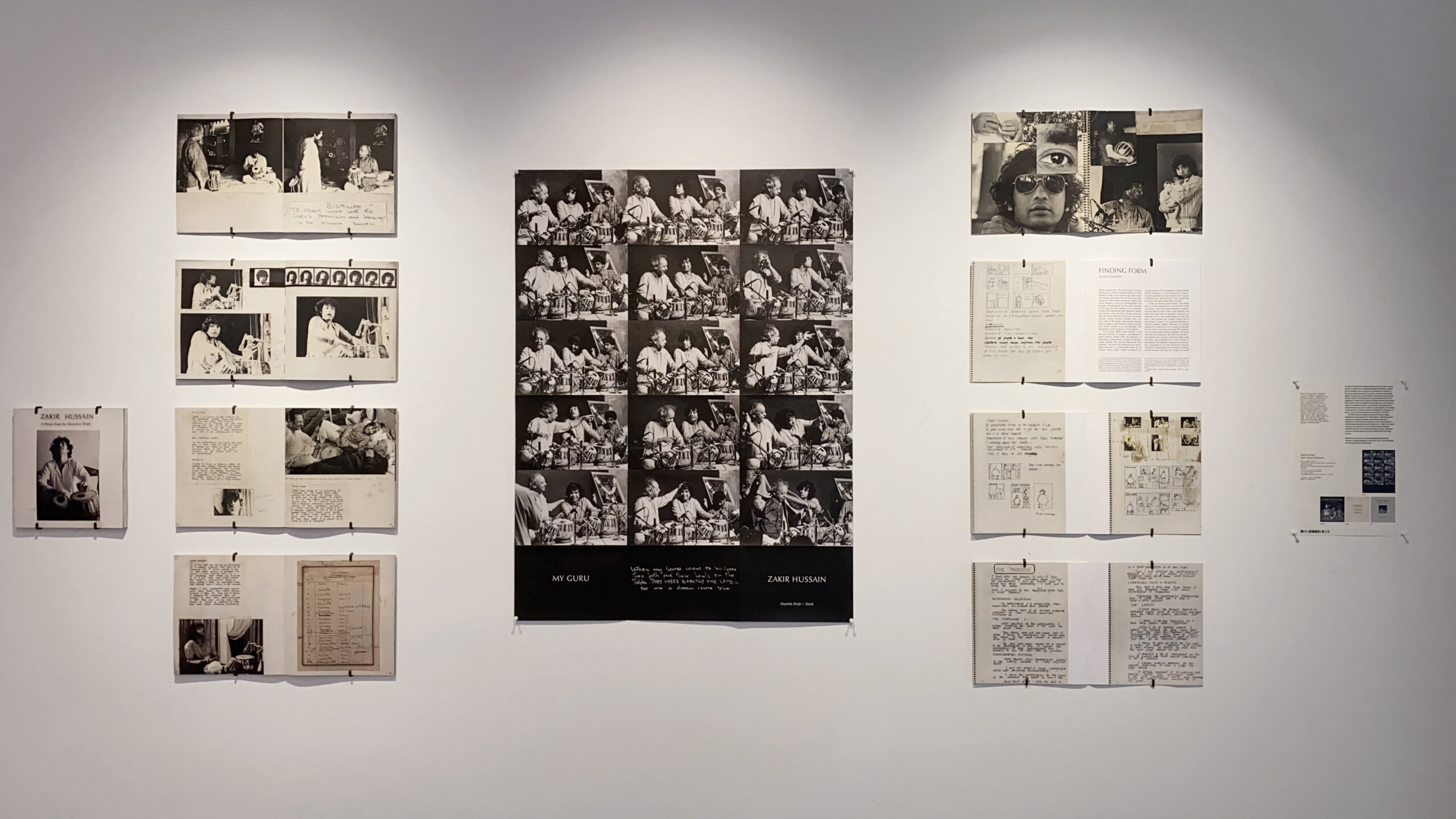
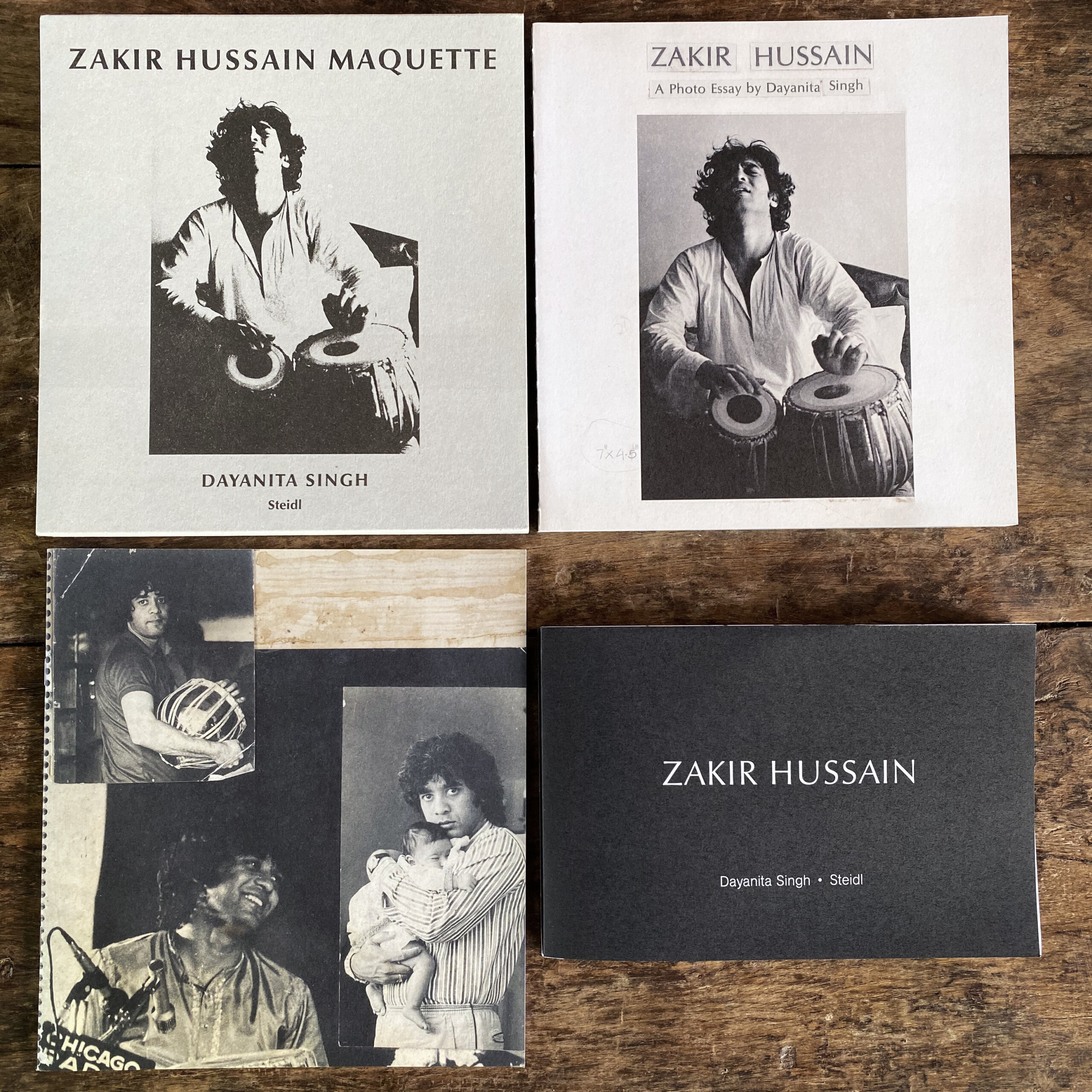
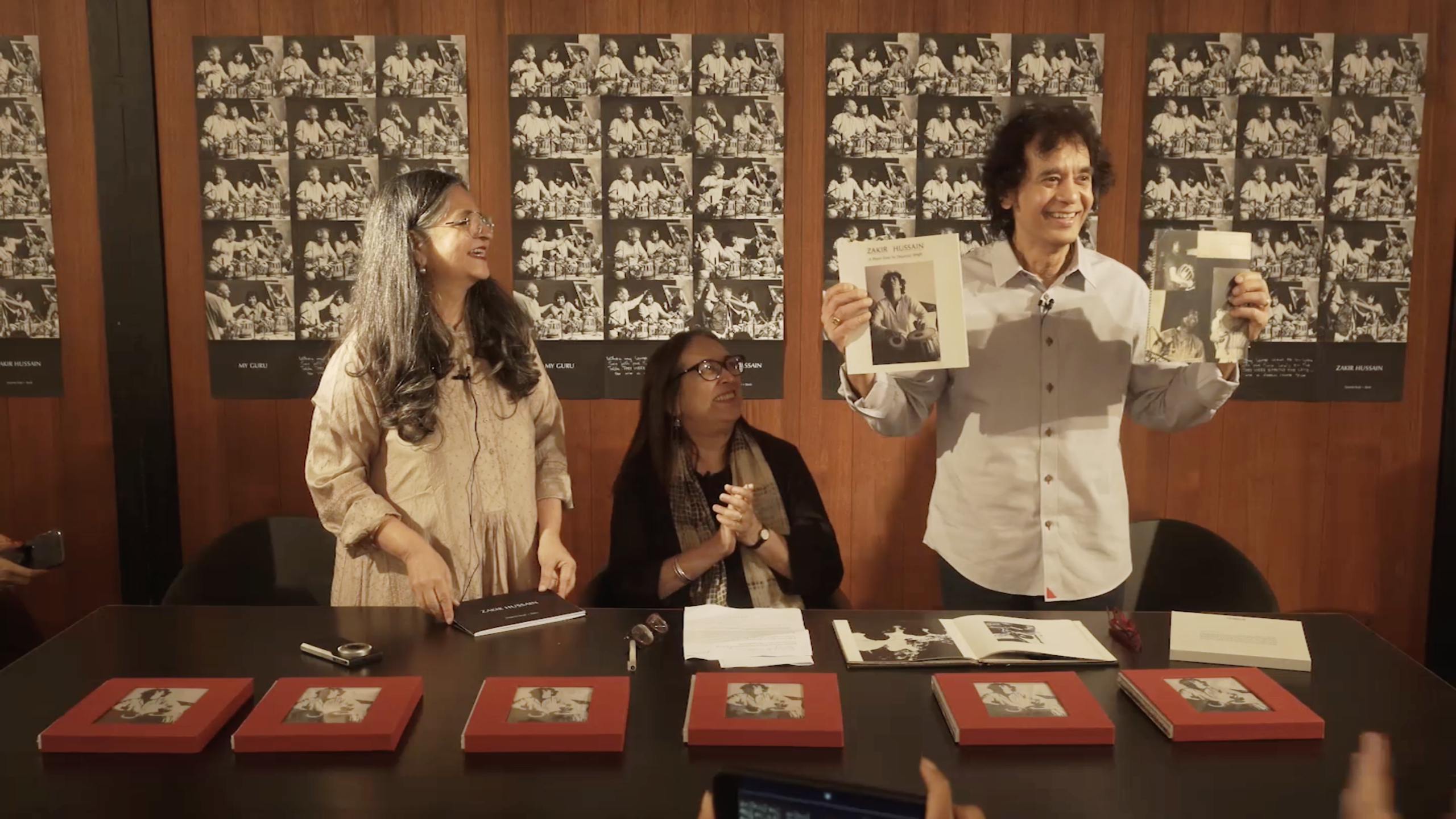
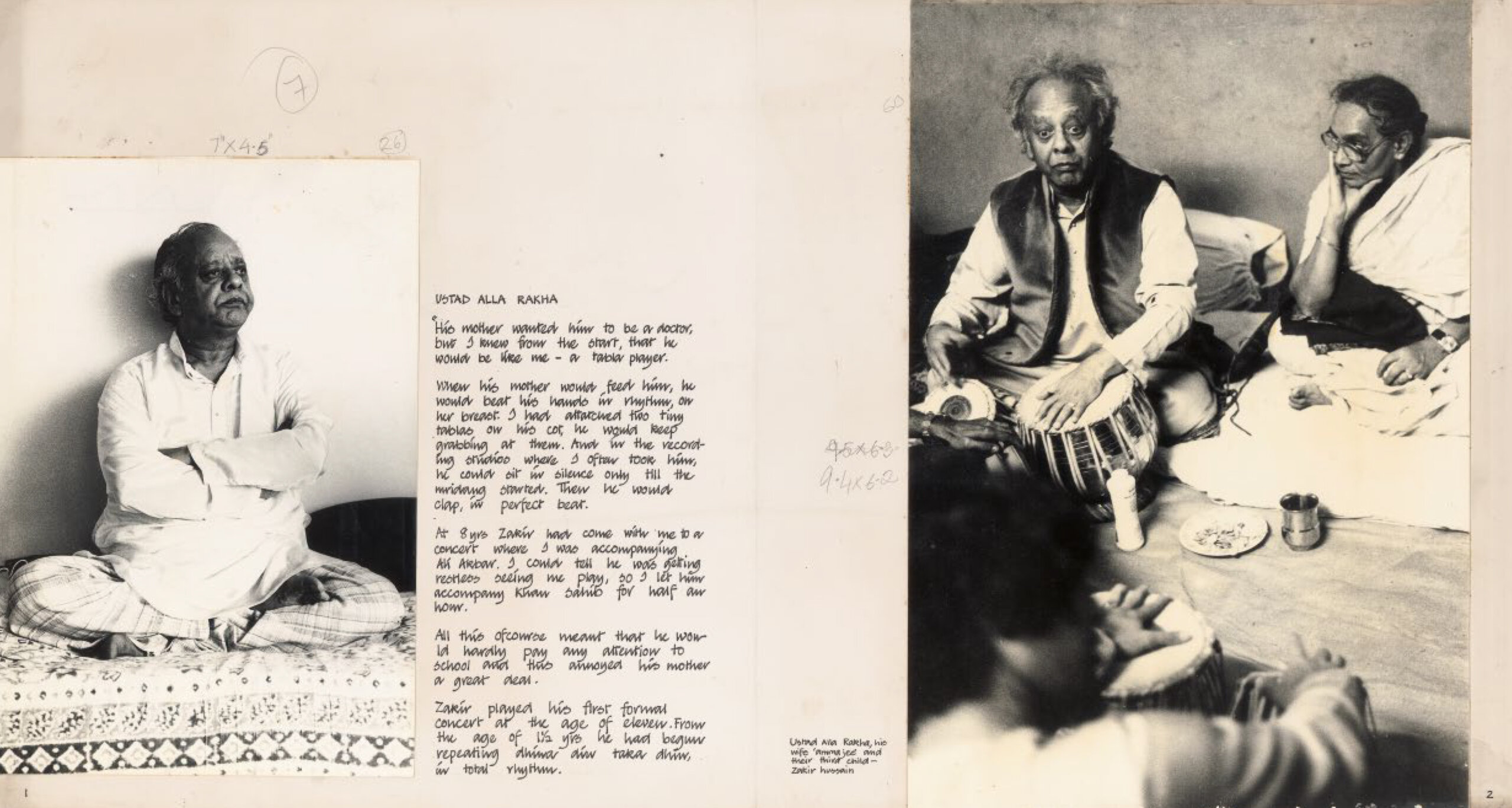
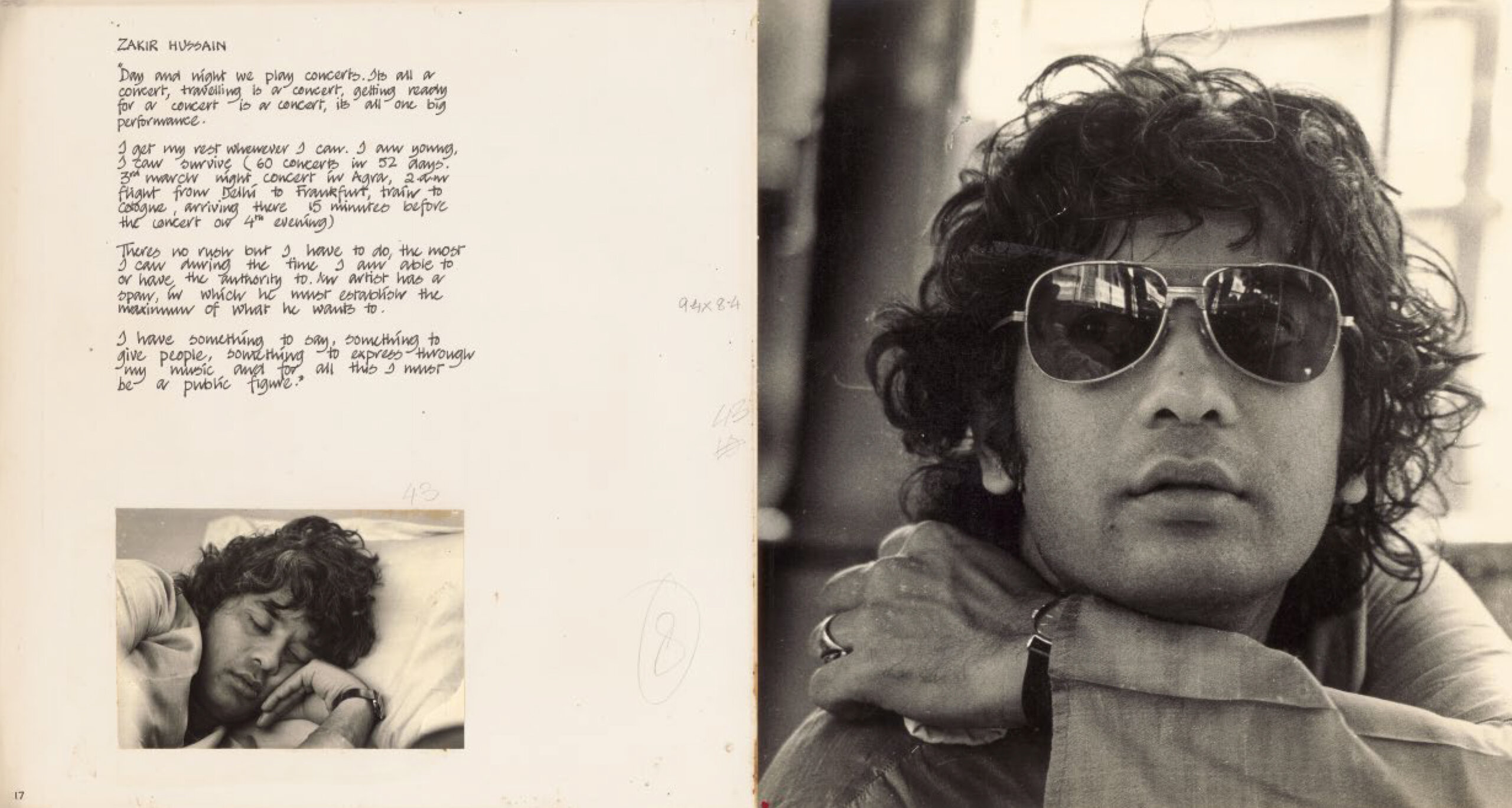
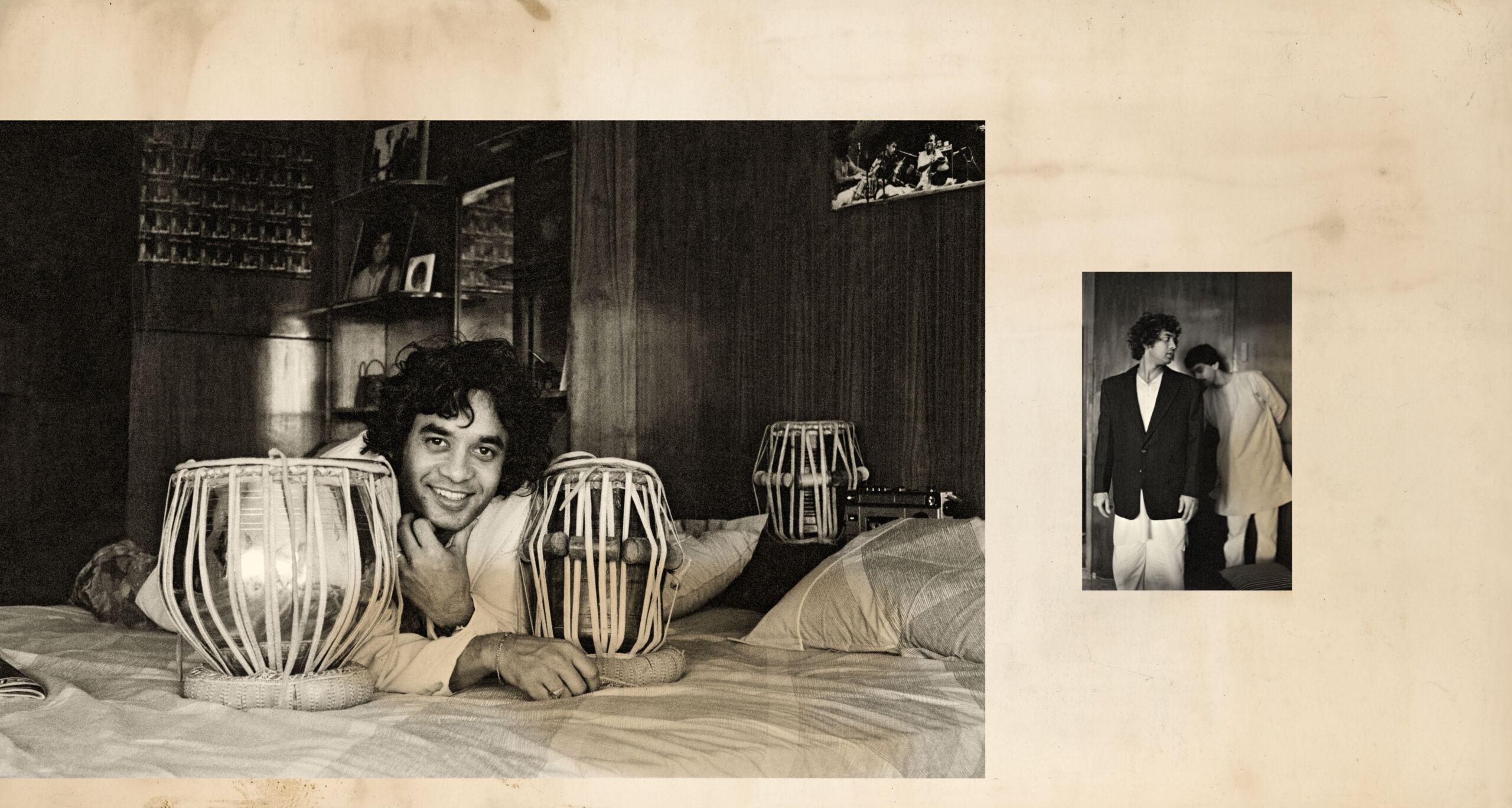
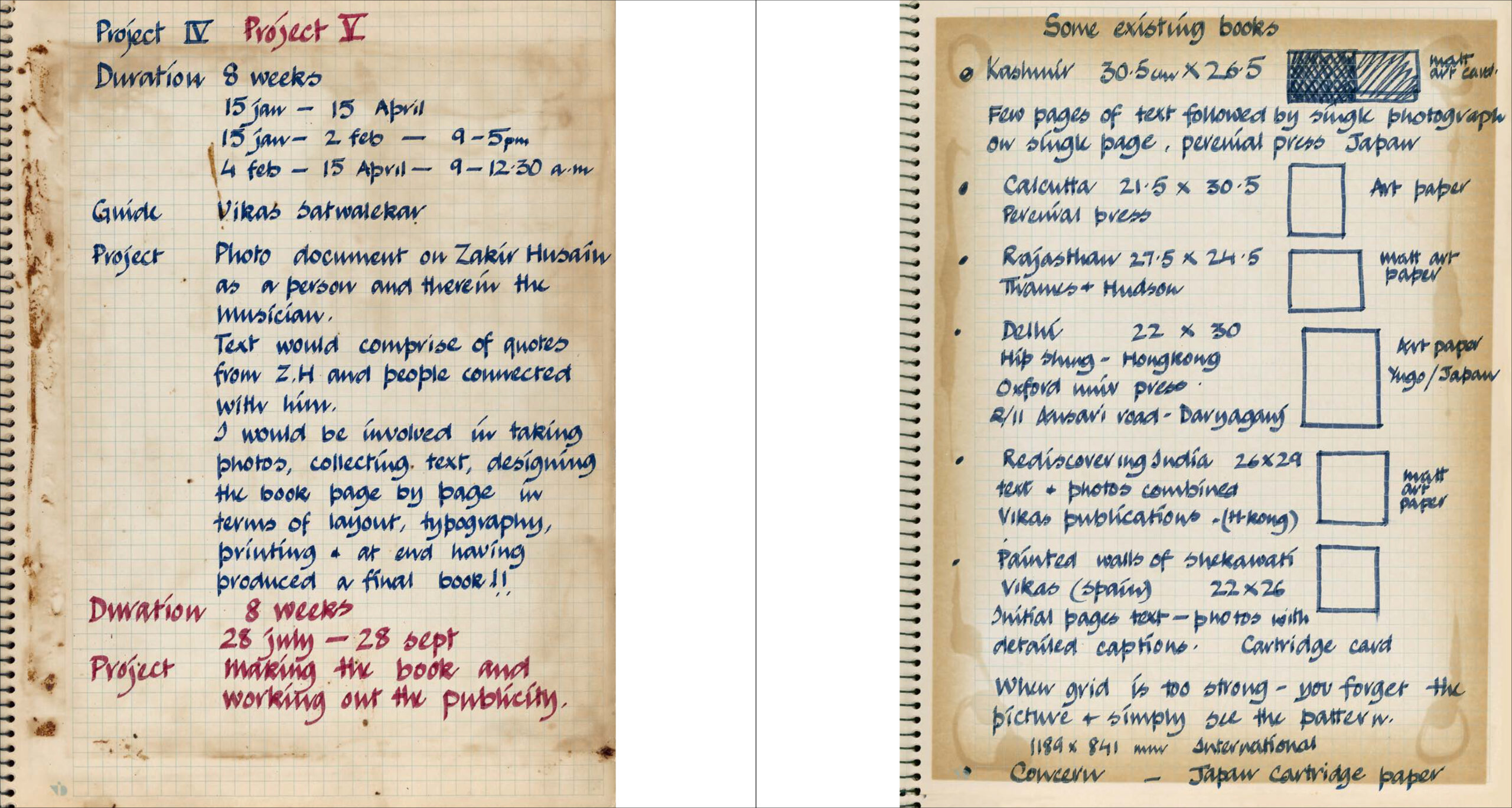
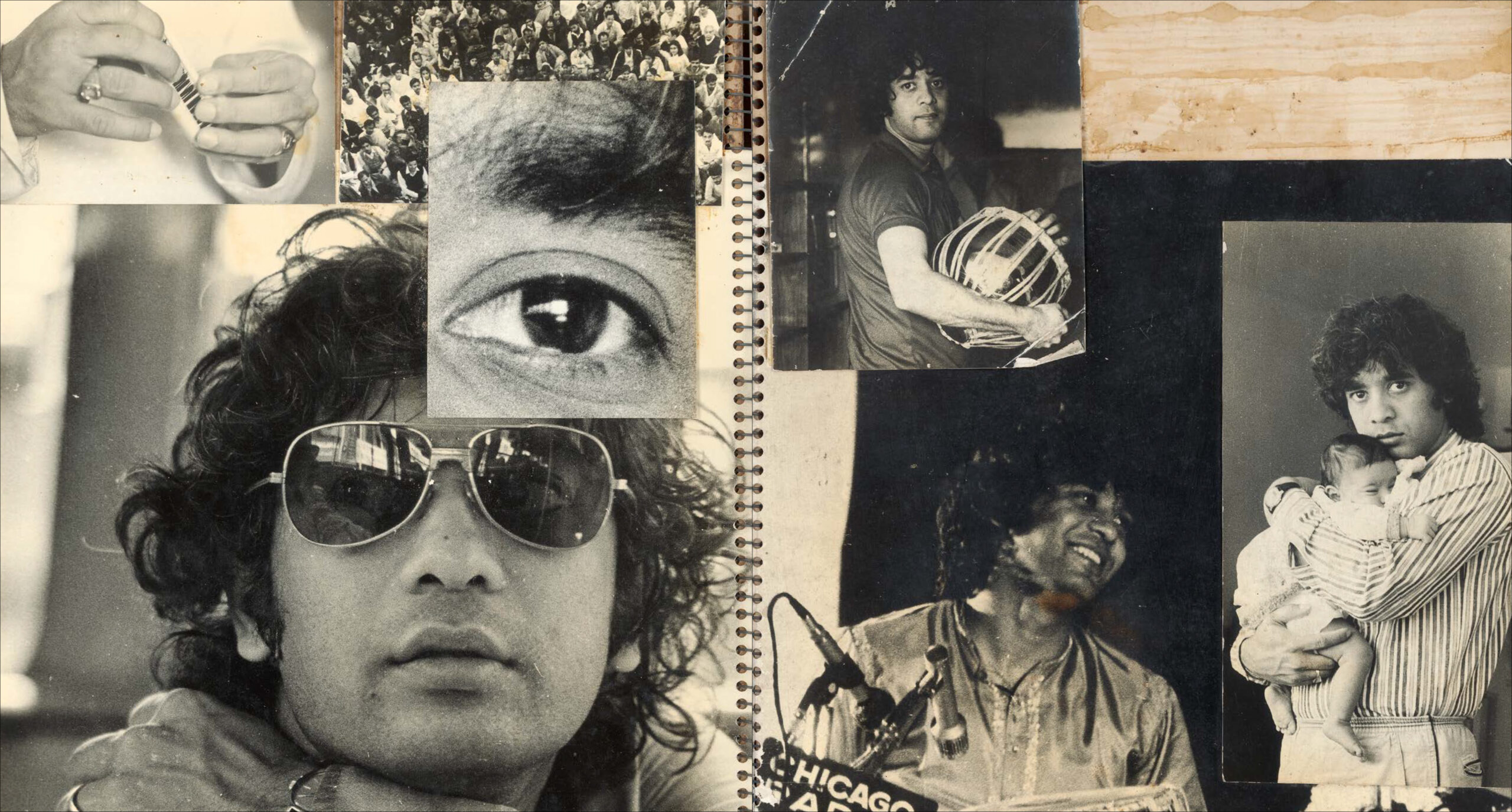
Singh kept pushing the boundaries of the form of the book, and continues to do so today. But to understand the beginnings of her experiments with books, we would have to step back to her days as a young student at the National Institute of Design, Ahmedabad in the 1980s. A classroom assignment there led Singh, an ardent—and remarkably bold—learner to follow Zakir Hussain on his concert tours for six winters. This photography assignment segued into a book-design exercise, which resulted in Zakir Hussain, a photobook on the musician. Many years later, when she realized that her journey as a bookmaker had begun with Zakir Hussain, which like most student projects remained largely ignored, she took the dummy or maquette of the project, along with her grid notebook in which she had made notes on her design process, to her publisher, Gerhard Steidl. In 2019, decades into Singh’s career as an artist, Steidl published this material as Zakir Hussain Maquette, an unusual book that reveals the warp and weft of its own making. Zakir Hussain Maquette is simultaneously a study of a person, Zakir Hussain, and of the book itself. It takes us behind the scenes, revealing aspects of the legendary musician’s life and work, to the private practice of creating a book on him and, eventually, to the maker of the book. Dayanita Singh’s design and thought processes are made generously accessible in the reader that accompanies the book.
‘Book building’, as Singh calls her process, is a practice she learned and internalised during her years at NID. She recalls the very architecture of the institution as deeply impactful. Most NID alumni will agree that memories of the building designed by Gautam and Gira Sarabhai evoke warmth, openness and belonging. Perspective drawing was among the early lessons in “learning to see” that Singh practised by drawing the long, shaded corridors that no student of the design school can forget. The grid upon which the building was designed made the space compelling yet approachable. The scale of the building—spread wide but not tall—made it hospitable; the materiality—red brick and concrete with a constant interplay of nature and natural light—made it expansive. Living in this building proved to be an intangible learning that would be manifest in Singh’s work.
The idea of the grid etched itself on her mind, perhaps unbeknownst to her. During classes in graphic design, she learned about the grid system that could be applied to organise information in publications. Years later, she would construct her images using the grid built into her Hasselblad viewfinder. Invisibly, just the way a grid is intended to work, the idea of this system formed a foundational part of Singh’s practice. She used the grid to see, to organise notes, design books and storage systems for her works, and to arrange rooms in museums filled with these works.
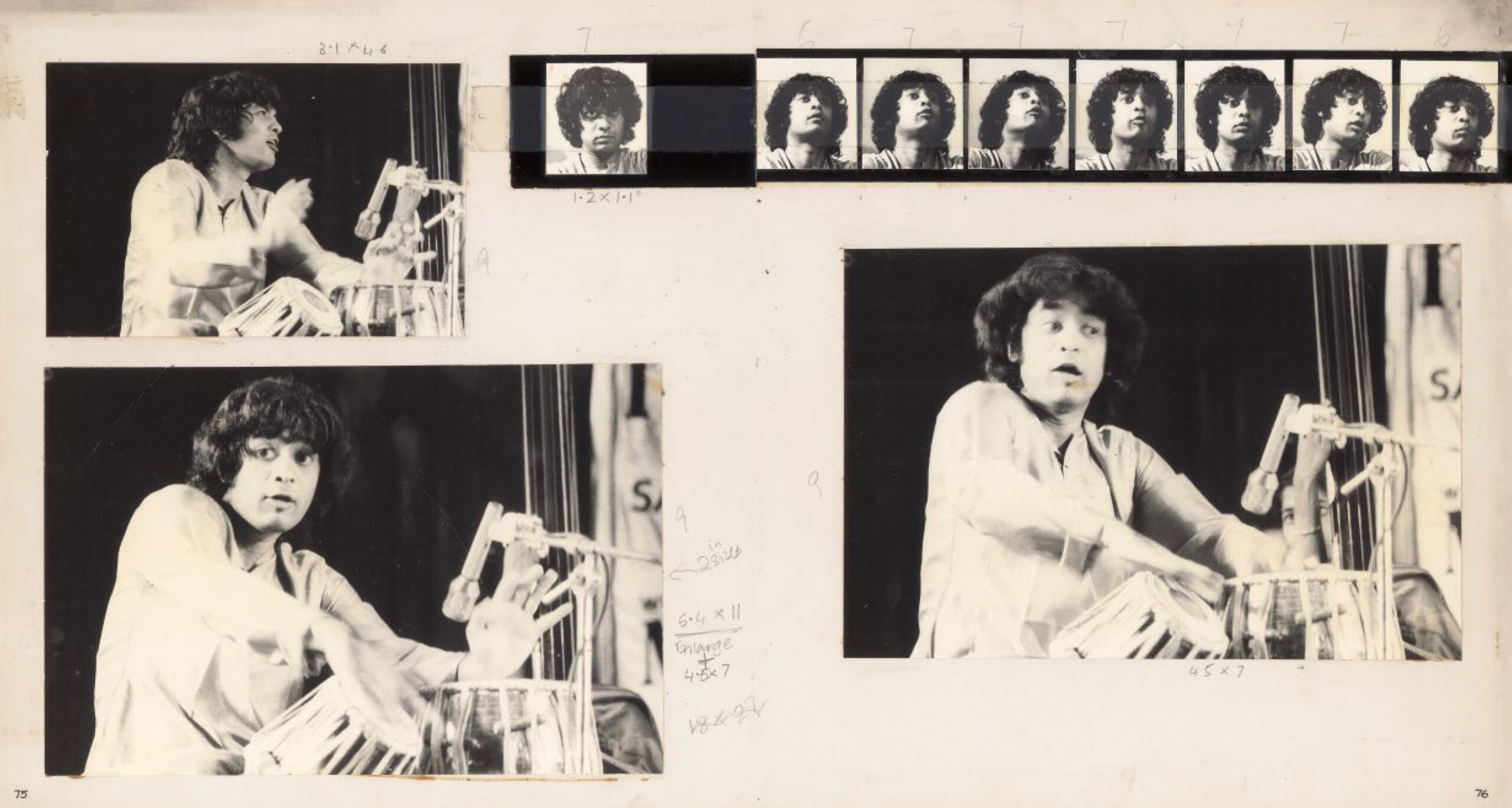
In the pre-digital era, students worked with material constraints. Even though NID had workshops where one could build virtually anything—from a prototype of a pencil to furniture for the school—students learned to use the facilities and materials judiciously. Printing a photograph involved first making contact sheets, spending hours poring over them to choose the right frame, and only then printing the selected images in a darkroom. A prolific photographer like Singh must have made dozens of contact sheets, and Zakir Hussain Maquette clearly bears testimony to a life lived with these. The book is peppered with series of images as they appear in contact sheets. These animate Hussain’s hands and face, frame by frame: it is an approach that very nearly makes the maestro’s tabla come alive for the viewer. The endpapers of the book feature contact sheets with image selections marked in black and red grease pencils.
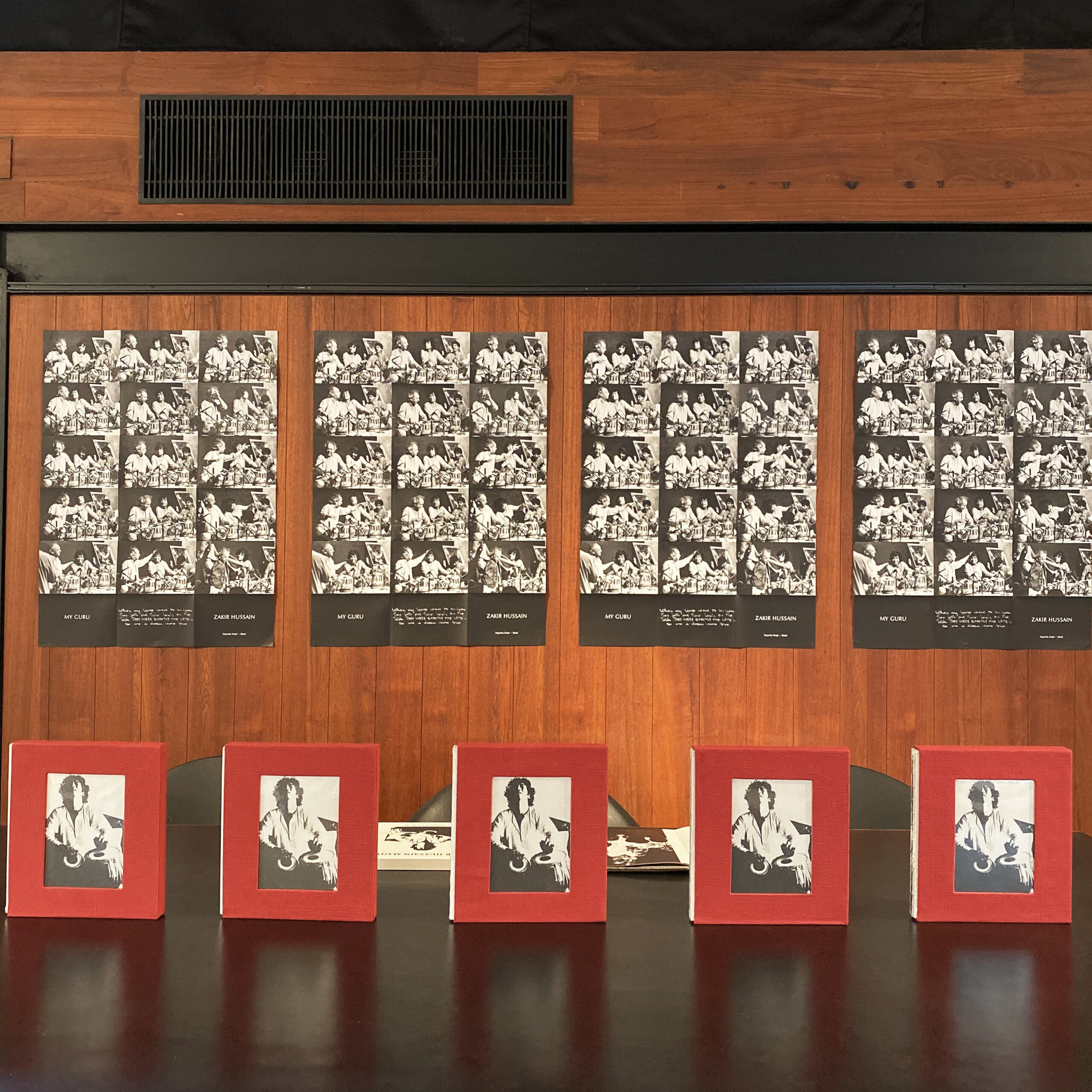
This is all highly unusual: presentations of photography, as well as the photo book, have widely focused on the carefully selected single image. This is usually the case even in typologies and other forms of serial presentations of images. But Singh acknowledges that the single image never held a special appeal for her, because of her years of looking closely at contact sheets. As if to reinforce the allure of the contact sheet, she made a large poster for Zakir Hussain Maquette with a series of images of the famed father-son duo—Ustad Allah Rakha and Zakir Hussain—in concert. The poster is designed to fold perfectly to the size of a single image among 12, and fit snugly in a case along with the book and accompanying reader.
Tactile processes like cutting and pasting contact sheets into notebooks and folding paper to make books and posters were part of the ‘learning-by-doing’ pedagogy employed at NID. Singh recalls that she made her first accordion-fold book in order to animate a series of photographic portraits she had made of the artist Paritosh Sen, who was artist-in-residence at NID at the time. From resident artists to visiting faculty like the filmmaker Tapan Sinha and the dramatist Badal Sircar, Singh was everyone’s self-appointed guide. She attributes this zeal for learning through osmosis to her time spent with musicians. NID was influenced by the German Bauhaus movement and adopted some of its pedagogy from the Ulm School of Design or HfG Ulm in Germany. The school championed a spirit of laissez-faire: while there was a structure, students were also given a fairly long rope and allowed to decide how deeply they wanted to dive into their learning. Singh was also privy to the Indian guru-shishya style of learning when she followed Zakir Hussain through his concerts. In Zakir Hussain Maquette, she writes in Hussain’s voice but in her own precise, calligraphic hand: “In a musician’s house there is no fixed time that you start learning. It’s all around you.” This echoes the thought of the pioneering philosopher and historian of Indian art, Ananda Coomaraswamy, who wrote of the guru-shishya tradition in The Indian Craftsman as a system in which pupils receive lessons not only in technique but about life itself, which gives them “both culture and metaphysics, more essential to art than technique”.
Singh’s practice has drawn from these antipodal worlds. In one, she could flatten hierarchies, engage as an equal with her teachers at NID and question the learning process; in the other, she could observe a master-disciple relationship in which complete immersion and submission were prerequisites for learning. She feels that it is perhaps through the latter system that she “learned to learn”. Her vocabulary today combines the language of both music and design. She emphasises the importance of riyaaz—a daily engagement in a practice that vitally shapes not just one’s work but, eventually, one’s worldview. She describes her editing process as an alaap—the all-important time spent understanding the mood and colour of the work that is about to emerge. She speaks of the importance of the silence between notes and applies this idea when she sequences her images, simultaneously employing the rules of rhythm, harmony, symmetry and balance learned during composition classes at NID.
Singh found nourishment in training that led inward to a deep focus. Learning to draw type taught her the relationship between the hand, the eye and the breath. Making hues and saturations of colour with measured dips of white and black paints taught her rigour. She returns to music when she speaks of rigour—to the idea of chilla, which is a stage of training for students of Hindustani classical music during which they are isolated from the world and live only for music. She follows a similar method of immersion in the initial stages of making a book, often listening to music while she works and letting it guide her.
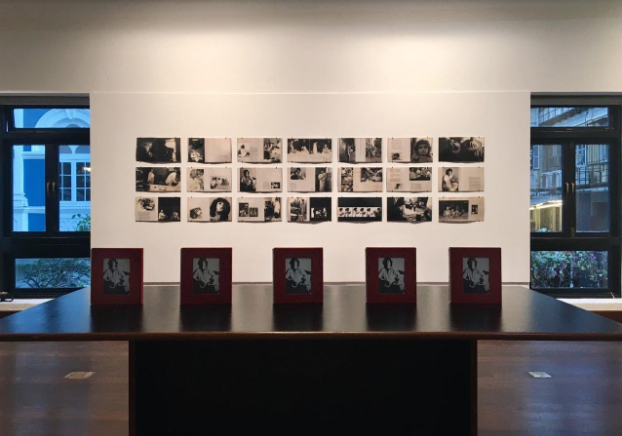
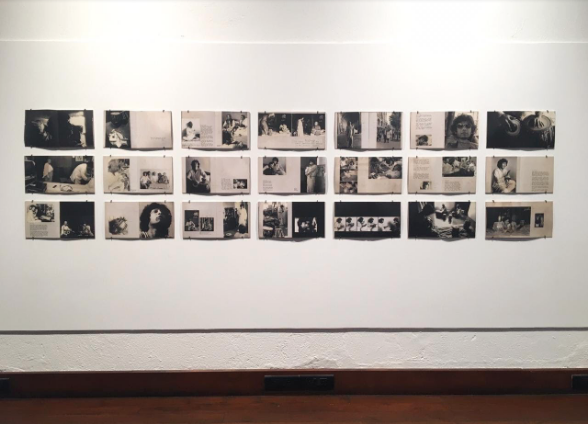
In Zakir Hussain Maquette, Singh’s application of her design education sparkles. She packs an entire exhibition into the book. Using section-sewn binding without the spine in order to allow the book to open completely flat, staying true to the idea of a rough-hewn dummy, she pins copies of the book on the wall with L-hooks, exhibiting the entire book spread by spread. The accompanying reader provides the text and context for this exhibition while the poster can be mounted anywhere to announce the exhibition. A complete and ingenious package that can sit innocuously on a bookshelf, loaded with the possibility of taking over the room.
Singh’s experiments with designing these ‘book-objects’ and ‘photo-architectures’ began with the publication of her book File Room in 2013. Copies of the book occupied the walls of a room at the Venice Biennale that year. Singh pasted every image inside the book on the multicoloured cloth-bound covers of File Room, put the books inside frames she designed and showed them as her work. For her photo-architectures, she took inspiration from the physical structure of the book and built large (but only large enough to go through her front door) wooden structures that would have her photographs on a grid in the front, back and the spine. For between the ‘covers’, she designed a space to store more images. She had found a design solution for storing her vast archives, vertically, in this permutable and movable ‘museum’. With Kochi Box she designed another ready exhibition within a small, elegant box that acts as a frame as well as a holder of 30 image cards.
With all these experiments in materials, meanings, structures, and sculpting around the book, not only does Singh persist with historical traditions of bookmaking in India—where books and documents have existed for centuries in formats as varied as scrolls, loose-leaf portfolios, albums, and leaves held together by a single thread (sutra)—but she also subverts ideas about exhibitions and curation. Always vexed by the thought of her work as immovable prints on the walls of exhibitions, she designs her book-objects to hold endless curatorial possibilities, and often to transfer the task of curating her images to the owners of her works. Zakir Hussain Maquette is only the latest in Singh’s extensive journey with the book which began with Zakir Hussain. But this particular composition completes itself.